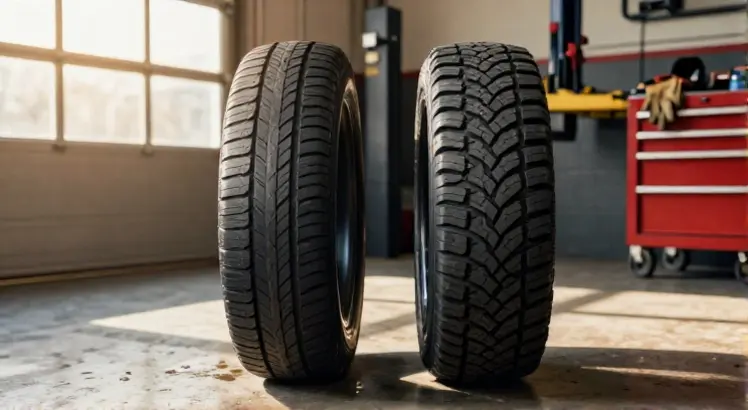
Choosing the right set of tires can feel overwhelming, especially when you are stuck between two respected brands like Pirelli and Cooper. Both manufacturers deliver solid options for daily drivers, families, and performance enthusiasts. If you are trying to decide which one deserves your hard-earned money, this guide breaks down everything you need to know about Pirelli vs Cooper tires.
We leaned on experience from thousands of miles of road testing, owner reviews, and industry data to create this comparison. You will learn how these brands stack up in wet grip, tread life, comfort, and value. By the end, you will have a clear answer tailored to your driving style.
Understanding the Two Brands
Before diving into performance metrics, it helps to understand where Pirelli and Cooper come from. Their design philosophies influence everything from rubber compounds to tread patterns. One brand leans hard into premium European engineering, while the other focuses on affordable American dependability.
Pirelli: Italian Performance and Prestige

Pirelli Scorpion STR 245/50R 20 102H SUV/Crossover Tire
Check PricePirelli has spent over a century building a reputation for high-speed stability and luxury car fitments. You will find Pirelli tires as original equipment on brands like Porsche, BMW, and Maserati. Their engineers prioritize sharp steering response, low road noise, and exceptional grip on dry pavement.
The P Zero line dominates the ultra-high-performance category, while the Scorpion series gives SUVs all-weather capability. Pirelli invests heavily in research, and that cost shows up in the price tag. Many drivers who ask whether Pirelli tires hold up over time find that the premium upfront cost often pays off with confident handling.
Cooper: American Value and Versatility

Cooper Cobra Radial G/T All-Season P235/60R15 98T Tire
Check PriceCooper Tire, now part of the Goodyear family, carved out a niche by providing capable tires without the luxury markup. The Discoverer lineup tackles light truck and off-road duty, while the Evolution series handles sedans and crossovers with ease. Cooper engineers focus on balancing wet traction, tread longevity, and ride comfort.
For cost-conscious families and commuters, Cooper consistently delivers a stress-free ownership experience. If you want to dig deeper into that reputation, you can read more about how Cooper tires perform in real-world conditions. The biggest selling point is the impressive mileage warranties that often surpass competitors in the same price bracket.
Pirelli vs Cooper Tires: Performance and Handling
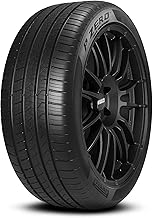
Pirelli P Zero All Season 215/55R17 94V Performance Tire
Check PriceYour daily commute turns into a chore if your tires feel vague or slippery. This is where the two brands show their sharpest differences in philosophy. Pirelli aims for surgical precision, Cooper for predictable stability.
- Dry cornering: Pirelli tires, especially the P Zero All Season Plus, offer sticky, immediate turn-in that sport sedan owners love. Cooper tires, such as the Evolution Tour, provide a softer but secure grip that inspires confidence without feeling twitchy.
- Wet braking: Both brands perform well in rain, but independent testing shows Pirelli’s silica-rich compounds stopping a few feet shorter from 50 mph. Cooper closes the gap with deep siping on models like the Discoverer EnduraMax.
- Ride comfort: Cooper tends to win here. Pirelli’s stiffer sidewalls translate more road texture into the cabin. Cooper uses computer-optimized tread patterns to hush highway noise, making them a favorite for long-distance road trips.
According to independent test data from Tire Rack, the difference in lateral grip on a dry skidpad can be as narrow as 0.02 g between these brands when comparing similar all-season touring models. For everyday driving, both provide more than enough safety margin.

Cooper Endeavor Plus All-Season 205/70R16 97H Tire
Check PriceDurability and Tread Life Expectations
No one wants to replace tires early. The good news is that both Pirelli and Cooper deliver solid longevity, but the method they use to achieve it varies. Treadwear ratings and real-world owner feedback give us a clear picture.
Cooper often markets high UTQG ratings, with several touring tires hitting the 700 to 800 mark. The Discoverer SRX, for example, comes backed by a 75,000-mile treadwear warranty. Pirelli’s Cinturato P7 All Season Plus II also offers a 70,000-mile warranty, putting it right in the same zone. In practice, drivers who rotate tires on schedule and maintain proper pressure see very similar wear rates.
Where Pirelli gains an edge is in resistance to heat cycling on performance vehicles. If you drive a turbocharged sedan hard through twisty roads, the P Zero compound holds its integrity longer before getting greasy. Cooper still lasts admirably, but the rubber may harden slightly sooner under sustained aggressive driving.
Warranty and Customer Support
Cooper’s standard limited warranty covers uniformity and workmanship, and many dealers offer a 45-day test drive guarantee. Pirelli provides a similar protection plan and often throws in roadside assistance on premium lines. Both brands stand behind their products, giving you peace of mind if you catch a manufacturing defect early.
Price and Value for Money
Cooper Endeavor Plus All-Season 205/70R16 97H Tire
Check PriceThis is where Cooper becomes a serious contender for most drivers. A set of four Cooper Evolution Tour tires can cost $100 to $150 less than a comparable Pirelli Cinturato set, depending on the size. That savings can cover a full alignment and balancing service.
Pirelli demands a premium, but you pay for sharper steering feedback and the brand’s motorsport heritage. If you drive a performance-oriented European car, that premium feels justified daily. For a family crossover or a minivan, Cooper provides 95 percent of the real-world capability at a noticeably lower price.
- Budget-friendly pick: Cooper Endeavor or Evolution Tour for sedans and small SUVs.
- Performance value: Pirelli P7 AS Plus 3 offers near-luxury refinement without the top-tier price of the P Zero.
- Off-road value: Cooper Discoverer AT3 4S provides legitimate trail capability for less money than the Pirelli Scorpion All Terrain Plus.
Why Your Driving Style Matters
Pirelli Scorpion STR 245/50R 20 102H SUV/Crossover Tire
Check PriceYour final decision should mirror how you use your car, not just the spec sheets. We always recommend matching the tire to your dominant driving environment. Think about the conditions you face week after week.
If you live in a region with harsh winters, both brands offer dedicated winter tires. Pirelli’s Ice Zero FR and Cooper’s Discoverer True North deliver excellent snow traction. Pirelli tends to feel more precise on ice, while Cooper gives you a slightly softer ride at a lower cost. For all-season use, Cooper’s Discoverer EnduraMax handles slush and light snow remarkably well without giving up dry road manners.
Commuters who log 20,000 miles a year on smooth highways will appreciate Cooper’s plush ride and lower purchase price. Weekend canyon carvers will notice the immediate difference in feedback and precision with Pirelli. There is no wrong choice here, only a trade-off between absolute performance and everyday affordability.
Installation Tips and Best Practices
Even the best tires disappoint if they are mounted poorly. Always use a torque wrench when tightening lug nuts to avoid rotor warping. Pay close attention to the tire’s rotational direction if you choose an asymmetric or directional pattern. Fresh rubber also needs a 500-mile break-in period where you avoid hard cornering and heavy braking. This lets the mold release compound wear off evenly.
We recommend a full alignment check with every new set of tires. A slight misalignment can scrub thousands of miles off the tread life, regardless of which brand you pick. Keep a log of your rotations every 5,000 to 7,500 miles to maintain even wear across all four corners.
Frequently Asked Questions
- Are Pirelli tires worth the extra cost over Cooper? If you drive a sporty car and value ultimate steering response, the extra cost brings a noticeable improvement in fun and precision. For routine commuting, Cooper delivers comparable safety and lifespan for less money.
- Which brand is quieter on the highway? Cooper generally produces less cabin noise because its tread patterns prioritize comfort. Pirelli’s performance-oriented models transmit a faint hum, but touring lines like the Cinturato are exceptionally silent.
- Can I use Pirelli tires on a pickup truck? Pirelli makes the Scorpion series for light trucks and SUVs, but for heavy-duty towing or off-road work, Cooper’s Discoverer truck tires often offer more sidewall toughness and higher load ratings.
- Do both brands offer run-flat technology? Pirelli offers a wide range of run-flat options under the Run Flat designation. Cooper has a few run-flat models but the selection is much smaller. Check your vehicle’s compatibility before ordering.
- How long do Pirelli vs Cooper tires typically last? With proper care, both can reach 60,000 to 75,000 miles. Cooper often edges ahead slightly in longevity on touring tires due to higher treadwear ratings, while Pirelli prioritizes compound grip.
Conclusion
Pirelli and Cooper both build tires you can trust with your family and your vehicle. Pirelli wins on absolute dry grip, steering feel, and premium pedigree. Cooper counters with outstanding longevity, a quieter ride, and a much friendlier price tag. The right choice narrows down to your driving habits and budget.
If you still cannot decide, head to a local tire shop and look at the tread designs in person. Hold the sidewalls, compare the next-day installation quotes, and pick the tire that makes your daily drive a little better. Either brand will serve you well.