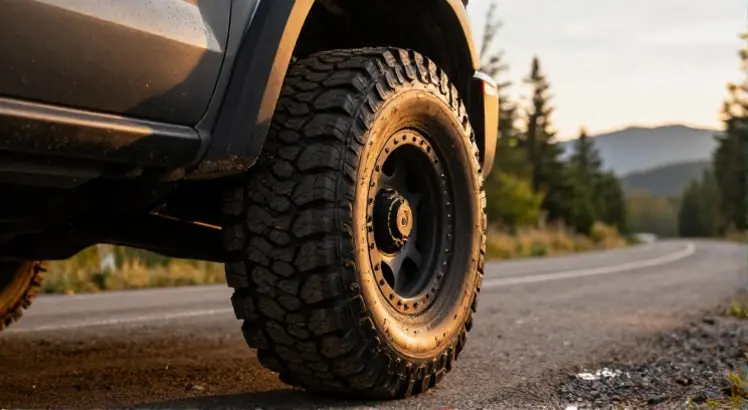
Finding the right tires for your truck can feel overwhelming, especially when you need a single set to handle rain, light snow, highway miles, and the occasional gravel road. Many truck owners immediately think of dedicated winter rubber or aggressive mud-terrain options, but for daily driving, the best all season tires for trucks are often the smartest investment. These tires balance performance, comfort, and longevity, allowing you to drive confidently without swapping rubber every few months.
We have tested dozens of models on half-ton and heavy-duty pickups, evaluating wet braking, highway noise, treadwear, and light off-road capability. This guide distills those experiences into practical advice. You will learn what makes a great all season truck tire, which brands lead the market, and how to match a tire to your specific payload and driving habits. Whether you commute in a Ford F-150, tow a boat with a Ram 2500, or simply want a smoother ride in your Chevrolet Silverado, this breakdown will help you avoid costly mistakes.
What Are All Season Tires for Trucks?
All-season tires for trucks are not the same as passenger car all-season tires. They carry higher load ratings, feature reinforced sidewalls, and use tread compounds designed to manage heavier weights and higher torque. The tread pattern typically includes moderate siping for wet roads, circumferential grooves for water evacuation, and a ribbed or semi-block design that reduces road noise. Unlike dedicated winter tires, all season truck tires remain pliable in mild cold but are not optimized for deep snow or ice.
Almost every major tire manufacturer produces an all season highway or all-terrain variant specifically for light trucks and SUVs. The key difference from a true all-terrain tire lies in on-road refinement. An all-season truck tire prioritizes quiet ride quality and stable cornering while still offering enough bite for a dirt campsite or a wet boat ramp. For the majority of truck owners who spend 90 percent of their time on pavement, this category hits the sweet spot.
Why Choose All-Season Tires Over Summer or Winter Rubber
Many drivers ask whether they truly need a dedicated winter set. The answer depends on your climate and usage. If you live in a region that sees occasional light snow and temperatures rarely dip below 20 degrees Fahrenheit, a premium all-season truck tire will serve you well. These tires are built with silica-infused tread compounds that maintain flexibility across a broad temperature window. You save on storage costs, seasonal mount and balance fees, and the hassle of scheduling swaps twice a year.
In contrast, dedicated summer truck tires excel in warm, dry grip but become dangerously hard in cold weather. Dedicated winter tires use deep sipes and softer compounds for ice traction but wear quickly on dry pavement. The best all season tires for trucks split the difference, offering competent year-round traction without sacrificing tread life. You also avoid the added noise and reduced fuel economy that often come with an aggressive mud-terrain pattern.
Key Features to Look for in the Best All-Season Tires for Trucks
Load Index and Ply Rating
Trucks demand tires that can handle cargo, towing, and the vehicle’s own curb weight. Always check the load index and ply rating. Standard load (SL) tires may be sufficient for a light-duty pickup used as a daily commuter, but if you tow a trailer or carry a slide-in camper, you need an LT-metric tire with a higher load range, often Load Range E. Overloading an under-rated tire leads to heat buildup, tread separation, and blowouts. Never compromise on this spec.
Treadwear Warranty and Longevity
Premium all-season truck tires frequently come with a treadwear warranty of 50,000 to 70,000 miles. These warranties indicate the manufacturer’s confidence in the tread compound. Look for tires that use a wear-resistant compound on the center rib and a slightly softer compound on the shoulders for cornering grip. A long tread life means fewer replacements, which is especially valuable on heavy diesel trucks that chew through rubber faster than their gas counterparts.
Wet and Light Snow Performance
Even the best all-season tires are not snow tires, but top models carry the Three-Peak Mountain Snowflake (3PMSF) symbol. This certification confirms the tire meets a minimum snow traction threshold. Tires with high-density siping, sweeping lateral grooves, and an optimized footprint disperse slush and water efficiently. On a rain-soaked interstate, you want a tire that resists hydroplaning and provides short braking distances under load.
Ride Comfort and Noise
Modern trucks are quieter than ever, and your tire choice can preserve that cabin serenity. All season highway truck tires feature continuous ribs and variable pitch tread blocks that break up sound frequencies. Avoid overly chunky tread if you rarely leave the pavement. A smooth-rolling tire also improves fuel economy, which matters when gas prices climb. Pay attention to customer reviews that mention drone or vibration at highway speeds.
Best All-Season Tires for Trucks: Our Top Picks
Michelin Defender LTX M/S2

Michelin Defender LTX M/S2 265/70R17/XL 116T (Set of 1 Tire Only)
Check PriceMichelin dominates the premium truck tire segment, and the Defender LTX M/S2 is the class leader for a reason. It offers a remarkable 70,000-mile treadwear warranty, class-leading wet grip, and a ride that feels more luxurious than some sedan tires. The EverTread 2.0 compound resists chipping on gravel roads while staying quiet on asphalt. If you tow heavy trailers, this tire’s stiff sidewall construction provides stable, confident handling without squirm.
Owners of Ram 1500, Ford F-150, and Toyota Tundra consistently report even tread wear and fuel economy gains over older OE tires. The only downside is the price, but when you factor in longevity, the cost per mile is competitive. This is a top-tier choice for the driver who wants a set-it-and-forget-all solution.
Continental TerrainContact H/T

Continental TerrainContact H/T All Season 255/70R18 113T Light Truck Tire
Check PriceContinental’s TerrainContact H/T brings German engineering to the truck market. It balances excellent wet braking with a quiet, comfortable ride. The TractionPlus technology uses a specialized polymer blend that adapts to different road surfaces. In independent testing, it matches the Michelin in wet handling and edges ahead slightly in ride comfort on rough pavement.
This tire carries a 70,000-mile warranty and features a rim protector ridge that helps shield expensive alloy wheels from curb damage, a small but appreciated touch. The steering response is a bit softer than the Defender, which some drivers prefer for relaxed highway cruising. For half-ton pickups and large SUVs like the Chevrolet Tahoe, the TerrainContact H/T is a fantastic upgrade.
Bridgestone Alenza AS Ultra

Bridgestone Alenza AS Ultra 245/60R18 105V BSW
Check PriceBridgestone designed the Alenza AS Ultra for premium trucks and crossovers, delivering a velvety ride and outstanding all-season versatility. The QuietTrack technology package uses in-groove noise reduction channels to keep tire hum at bay. An 80,000-mile warranty leads the segment, making this a value leader for high-mileage drivers. It also performs admirably in light snow, earning the 3PMSF symbol on many sizes.
While the Alenza AS Ultra is slightly less athletic in hard cornering than the Michelin, it compensates with a supple ride that isolates occupants from expansion joints and pitted asphalt. If your truck serves as a family hauler first and a workhorse second, this tire deserves a spot on your shortlist.
Cooper Discoverer EnduraMax

Cooper Discoverer EnduraMax All-Season 235/55R19XL 105H Tire
Check PriceCooper targets the value-conscious buyer who still demands reliability. The Discoverer EnduraMax uses an all-weather compound with Adaptive-Traction Technology, meaning it grips well on wet roads and even handles moderate snow better than many traditional all seasons. A 60,000-mile treadwear warranty and a more accessible price point make it a smart choice for older trucks or fleet vehicles.
The tread pattern includes deep, wide grooves and sawtooth edges for biting into loose surfaces. It is not a dedicated winter tire, but you can confidently drive through slushy intersections without constant traction control intervention. For drivers who want to avoid a second set of wheels, the EnduraMax straddles the line between all-season and all-weather capability.
How to Choose Between Highway and All Weather Options
The truck tire market now includes a subcategory called all-weather tires, which carry the 3PMSF symbol and offer better snow traction than traditional all-seasons. They use a more flexible compound and deeper siping, making them legal for winter use in provinces like Quebec. However, they typically wear slightly faster on hot summer asphalt. If you encounter regular snow but don’t want to store a second set, an all-weather truck tire like the Discoverer EnduraMax or the Nokian Outpost AT can be ideal.
Pure highway all-seasons, meanwhile, prioritize tread life, fuel efficiency, and the quietest ride. They are perfect for southern climates with only occasional freezing temperatures. Consider your average winter conditions honestly. A one-time snowstorm should not force you into a more aggressive tread, but a daily commute over packed snow demands the additional siping and compound flexibility of an all-weather design.
Installation and Maintenance Tips to Extend Tire Life
Buying the best all season tires for trucks is only half the battle. Proper maintenance unlocks the full lifespan and keeps your warranty intact. Rotate your tires every 5,000 to 7,000 miles, following a cross-rotation pattern unless you have directional tread. Check air pressure monthly, adjusting it to the placard on your driver’s door jam, not the maximum pressure molded on the sidewall.
Wheel alignment matters immensely on heavy trucks. A toe misalignment can scrub tread away in a few thousand miles. After any suspension work or hard pothole impact, schedule an alignment check. Also, avoid aggressive driving immediately after mounting new tires. They require a break-in period of roughly 500 miles for the mold release compound to wear off and the tread to settle.
Understanding All Season Tire Load Ratings on Trucks
Choosing the correct load range is non-negotiable for safety. A standard load (SL) tire typically has a 4-ply rating and suits light-duty pickups that rarely haul more than a few hundred pounds. However, many modern half-ton trucks are rated for payloads exceeding 1,500 pounds, which demands at least an XL (extra load) rating if you stick with P-metric sizes. For heavy loads, LT-metric tires in Load Range C, D, or E provide the necessary strength, with E-rated tires supporting 80 psi and over 3,000 pounds per tire.
An under-rated tire will feel squirmy under load, overheat quickly, and risk catastrophic failure. Conversely, an over-rated E-range tire on a light truck will ride harshly because the stiff sidewalls transmit more impact. Match the load range to your actual usage. If you only tow a utility trailer twice a year, an XL-rated P-metric tire offers a smoother daily ride. If you pull a heavy travel trailer cross-country, invest in LT E-rated tires without hesitation.
Common Mistakes When Shopping for Truck Tires
- Ignoring the load index and focusing only on brand and price
- Choosing an aggressive all-terrain pattern for a pavement-only truck, which sacrifices fuel economy and comfort
- Overlooking the speed rating, especially on trucks used for long highway hauls
- Buying tires online without verifying the manufacture date, because rubber compounds age even in storage
- Skipping road-force balancing, which can lead to persistent vibration on heavy trucks
Avoid these pitfalls by consulting your owner’s manual, researching real-world owner feedback, and working with a reputable tire installer who understands truck-specific requirements. A small upfront investment in the right tire saves hundreds in premature wear, poor fuel economy, and unsafe handling.
Frequently Asked Questions
How often should I replace all-season truck tires?
Check the tread depth regularly using a tread depth gauge or the penny test. Most tires perform safely down to 4/32 of an inch, but wet grip degrades below 5/32. If you see uneven wear, cracking, or bulges, replace them immediately regardless of mileage. Even with plenty of tread, tires older than six years should be inspected by a professional and likely replaced.
Can I use all-season tires on a 4×4 truck for off-roading?
Mild dirt roads and gravel driveways present no problem for high-quality all-season highway tires. However, deep mud, sharp rocks, and sand demand a more aggressive all-terrain or mud-terrain design. The shoulder lugs on all-season tires are not reinforced for rock crawling, and the tread grooves can pack with mud. If you regularly venture off-grid, consider a set of truck tires with stronger sidewall construction designed for mixed terrain.
Do all-season tires affect my truck’s fuel economy?
Yes, tire choice directly impacts rolling resistance. Highway-focused all-season tires with continuous ribs and low-rolling-resistance compounds typically improve fuel economy compared to chunky all-terrain or mud tires. Some models, like the Michelin Defender, are engineered specifically to minimize energy loss. Proper inflation is equally critical, under-inflated tires create drag and consume more fuel.
What is the difference between P-metric and LT-metric all-season tires?
P-metric tires are designed for passenger vehicles and light trucks used primarily for people-hauling. LT-metric tires feature heavier construction, higher load capacities, and stiffer sidewalls for towing and payload. You can often identify LT tires by the LT prefix in the size, such as LT275/65R18. Using LT tires when you do not need them can result in a stiff, uncomfortable ride and reduced fuel efficiency.
Conclusion
The best all season tires for trucks transform your daily driving experience by blending quiet comfort, long tread life, and dependable traction in varying conditions. Our top recommendation remains the Michelin Defender LTX M/S2 for its unmatched longevity and wet grip, but the Continental TerrainContact H/T and Bridgestone Alenza AS Ultra are outstanding alternatives. Budget-minded buyers will find the Cooper Discoverer EnduraMax a compelling blend of value and light snow capability.
Start by confirming your truck’s required load index and ply rating. Then prioritize the attributes that matter most for your commute, whether that is whisper-quiet highway cruising, maximum treadwear, or three-peak snow certification. If you face deep winter conditions every year, complement your all-season set with a dedicated guide to the best winter tires for trucks to ensure you stay safe when temperatures plummet. For enhanced stance and handling, you might also explore recommendations for the best wheel spacers for trucks that improve scrub radius and fitment.
Invest in quality rubber, maintain proper inflation and alignment, and rotate diligently. Your truck will reward you with years of smooth, safe miles. For independent test data and user reviews, visit Tire Rack’s all-season tire research section. Drive safely and enjoy the road ahead.