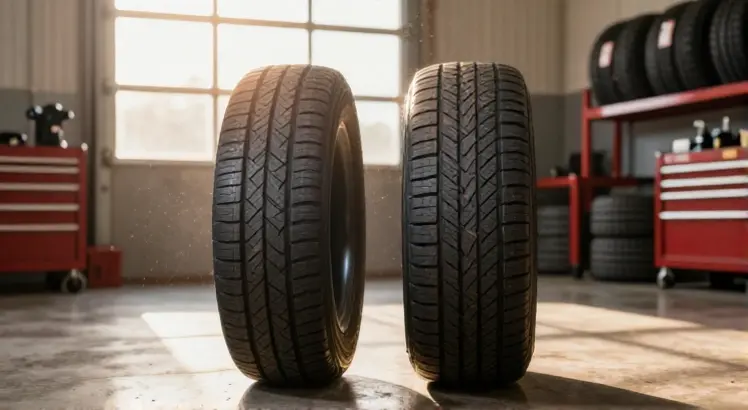
Choosing between Michelin and Bridgestone tires can feel like picking between two heavyweight champions. Both brands dominate the global tire industry with decades of engineering excellence behind them. This Michelin vs Bridgestone tires comparison breaks down everything you need to know before buying your next set. We will compare performance, durability, pricing, and real-world value to help you decide.
Brand Overview: Michelin and Bridgestone at a Glance

MICHELIN Defender2 All-Season Tire, CUV, SUV, Cars and Minivans – 225/65R17 102H
Check PriceMichelin, a French company founded in 1889, built its reputation on innovation and premium quality. The brand invented the radial tire and continues to push boundaries in tire technology. Many drivers associate Michelin with exceptional longevity and a quiet, comfortable ride. If you want to understand how Michelin tires deliver in everyday driving, our detailed breakdown covers their strengths and weaknesses.
Bridgestone, headquartered in Japan, started in 1931 and grew into the largest tire manufacturer in the world. The company owns the Firestone brand and supplies tires for cars, trucks, and motorsports globally. Bridgestone tires are known for their balanced performance and competitive pricing. You can explore what makes Bridgestone a trusted tire manufacturer in our comprehensive review.
Both brands produce high-quality tires across all categories, from all-season touring tires to ultra-high-performance summer rubber. The key differences lie in how each brand approaches ride comfort, tread life, and cost. Let us dig into the specifics so you can make a confident choice.
Performance Comparison: Dry and Wet Grip

Bridgestone Turanza EL440 Touring Tire 235/45R18 94 V
Check PricePerformance is where the rubber meets the road, quite literally. Michelin tires typically excel in wet braking and hydroplaning resistance due to their advanced silica-based tread compounds. Independent tests from organizations like Tire Rack consistently place Michelin near the top of wet performance rankings. Bridgestone tires also perform admirably in wet conditions, especially their Turanza and Potenza lines.
Dry Handling and Cornering Stability
On dry pavement, Bridgestone often matches or slightly edges out Michelin in steering response. The Potenza series delivers sharp turn-in and excellent feedback for spirited driving. Michelin, with its Pilot Sport lineup, offers a more progressive feel that inspires confidence at the limit. Neither brand disappoints, but your preference for crisp versus smooth handling may sway your decision.
Wet Weather Confidence
Michelin invests heavily in wet grip technology, and it shows in real-world testing. Tires like the Michelin CrossClimate 2 and Premier A/S stop shorter on wet roads than many competitors. Bridgestone counters with its DriveGuard and WeatherPeak models that offer impressive rain performance. For drivers in rainy climates, Michelin holds a slight advantage in hydroplaning resistance.
Ride Comfort and Noise Levels
Ride comfort matters tremendously for daily drivers who log thousands of highway miles. Michelin tires are widely praised for their quiet, supple ride quality across various vehicle types. The company uses proprietary tread designs that minimize road noise without sacrificing handling. Many luxury automakers choose Michelin as their original equipment for this very reason.
Bridgestone tires offer a comfortable ride too, though some models produce a firmer feel over bumps. The Turanza QuietTrack lives up to its name with remarkably low cabin noise. However, across the broader lineup, Michelin tends to be the quieter option. If a serene cabin is your priority, Michelin generally wins this category.
Tread Life and Durability
Longevity is one of Michelin’s strongest selling points. Many Michelin models come with treadwear warranties stretching to 80,000 or even 90,000 miles. Real-world users frequently report exceeding these mileage estimates with proper rotation and alignment. The Defender series is legendary for its long-lasting performance on family sedans and minivans.
Bridgestone offers competitive tread life as well, especially in the Ecopia and Alenza lines. Their warranties typically range from 50,000 to 80,000 miles depending on the model. While Bridgestone tires hold up well, Michelin generally leads in overall tread longevity. Over time, the higher upfront cost of Michelin often evens out due to extended replacement intervals.
Price and Value Comparison
Price is where Bridgestone gains significant ground. Bridgestone tires typically cost 15 to 25 percent less than comparable Michelin models. For budget-conscious shoppers, this price gap can make Bridgestone the more attractive option. You get solid performance and respectable durability without the premium price tag.
Michelin commands a higher price, but the value proposition lies in longevity and fuel efficiency. Michelin designs many of its tires with low rolling resistance, which can save you money at the pump over the tire’s life. When you calculate cost per mile rather than upfront price, Michelin often becomes surprisingly competitive. The best choice depends on whether you prioritize immediate savings or long-term value.
Warranty and Customer Support
Both companies back their products with solid warranties, but Michelin generally offers longer coverage. The standard Michelin workmanship warranty extends six years, and many models include roadside assistance for three years. Their treadwear warranties are among the longest in the industry. Customers report positive experiences with Michelin warranty claims, though the process requires proper documentation.
Bridgestone provides a competitive warranty package with most tires covered for five years against defects. The company also offers a 90-day buy-and-try guarantee on select models. If you are unhappy with your Bridgestone tires, you can exchange them within that window. This trial period gives buyers extra peace of mind when trying a new tire brand.
Best Uses: Which Brand Fits Your Driving Style
MICHELIN Defender2 All-Season Tire for Cars, Minivans, SUVs and Crossovers, 245/60R18/XL 109H
Check PriceFamily Sedans and Minivans
Michelin Defender and Energy Saver models shine on family vehicles where comfort and longevity matter most. Parents appreciate the quiet ride and dependable wet-weather safety for school runs and road trips. Bridgestone Turanza and Ecopia tires offer a compelling alternative with lower upfront costs. Both serve families well, but Michelin edges ahead in overall refinement.
Sports Cars and Performance Driving
Michelin Pilot Sport tires are widely considered the gold standard for performance driving. The Pilot Sport 4S and Pilot Sport All Season 4 receive rave reviews from driving enthusiasts worldwide. Bridgestone Potenza tires offer fierce competition with sharper steering response and strong dry grip. For track days and spirited backroad driving, both brands deliver thrilling performance.
Trucks, SUVs, and Off-Road Use
Michelin LTX and Latitude series provide excellent on-road comfort for trucks and SUVs. The LTX A/T2 handles light off-road duty while maintaining civilized highway manners. Bridgestone Dueler and Alenza lines offer rugged durability with slightly better off-road capability in some models. Truck owners who split time between pavement and dirt will find capable options from both brands.
Fuel Efficiency and Eco-Friendly Design
Michelin pioneered low rolling resistance technology with its Energy and Green X branded tires. These tires reduce the energy lost as heat while rolling, which translates directly to improved fuel economy. Many Michelin models meet strict eco-label standards in Europe and North America. Over the lifetime of a tire, this efficiency can save dozens of gallons of fuel.
Bridgestone addresses fuel efficiency through its Ecopia line, which uses NanoPro-Tech polymers to reduce energy loss. Independent testing shows Ecopia tires perform comparably to Michelin’s efficient offerings. The company also invests in sustainable materials and recycling programs. Both brands take environmental responsibility seriously, giving eco-conscious buyers excellent choices.
Winter Tire Performance
Michelin X-Ice Snow and Bridgestone Blizzak represent two of the most respected winter tire lines available. The Blizzak series has dominated ice braking tests for years thanks to its unique multicell compound. Michelin X-Ice Snow counters with longer tread life and better dry-road manners in cold conditions. For severe winter driving, both brands offer exceptional safety and grip.
Where they differ is in wear characteristics. Blizzak tires lose their ice-gripping advantage once the top compound layer wears down roughly halfway. Michelin X-Ice tires maintain consistent winter performance throughout their usable tread depth. If you face long winters with mixed conditions, Michelin may provide more consistent season-long performance.
Frequently Asked Questions

Bridgestone Turanza EL440 Touring Tire 235/40R19 92 V
Check PriceAre Michelin tires worth the extra cost over Bridgestone?
Michelin tires are worth the premium if you prioritize maximum tread life and a quiet, comfortable ride. The higher initial investment often balances out over time because you replace them less frequently. Bridgestone offers excellent performance at a lower price for drivers who prefer saving money upfront. Your driving habits and budget should guide this decision.
Which tire brand lasts longer, Michelin or Bridgestone?
Michelin tires consistently outlast Bridgestone tires in independent treadwear testing and real-world owner reports. Many Michelin models carry 80,000 to 90,000-mile warranties compared to Bridgestone’s typical 50,000 to 80,000-mile coverage. Proper tire rotation and alignment affect longevity regardless of brand. Michelin’s compound technology gives it a measurable advantage in long-term durability.
Which is better for luxury cars, Michelin or Bridgestone?
Michelin is the more common original equipment choice for luxury brands like BMW, Mercedes-Benz, and Audi. The brand prioritizes the quiet, refined ride that luxury car buyers expect. Bridgestone also supplies tires to premium automakers and offers the Turanza QuietTrack as an excellent aftermarket option. Both brands serve luxury vehicles well, but Michelin holds a slight reputation advantage in this segment.
Do Bridgestone tires perform well in rain?
Yes, Bridgestone tires deliver strong wet-weather performance, particularly the Turanza and WeatherPeak models. These tires use advanced tread patterns and silica compounds to channel water away from the contact patch. Michelin holds a slight edge in hydroplaning resistance according to third-party testing. For most drivers, both brands provide confident wet-road grip.
Can I mix Michelin and Bridgestone tires on my car?
Mixing tire brands is not recommended because different tread designs and rubber compounds can create unpredictable handling. For optimal safety, install matching tires on all four wheels, or at minimum matching pairs on each axle. Always follow your vehicle manufacturer’s tire specifications. Using a complete set of one brand ensures consistent grip and wear characteristics.
Where are Michelin and Bridgestone tires manufactured?
Michelin operates manufacturing plants in France, the United States, Canada, and several other countries. Bridgestone produces tires in Japan, the United States, Mexico, and numerous facilities worldwide. Both companies maintain strict quality standards across all manufacturing locations. American buyers will find domestically produced options from both brands.
Final Thoughts on Michelin vs Bridgestone Tires
After comparing Michelin vs Bridgestone tires across performance, comfort, durability, and price, a clear picture emerges. Michelin leads in tread life, ride refinement, and wet-weather confidence. Bridgestone counters with competitive performance at a friendlier price point and excellent winter tire options. Neither brand will leave you disappointed if you choose based on your specific needs.
Drivers who log heavy annual mileage and want maximum longevity should lean toward Michelin. The higher upfront cost pays dividends through fewer replacements and better fuel economy. Budget-minded shoppers who still want premium quality will find Bridgestone an outstanding choice. For more tire comparisons and expert advice, check trusted resources like Tire Rack’s comprehensive brand comparison tool.
Ultimately, the best tire is the one that matches your vehicle, driving environment, and personal priorities. Take time to read model-specific reviews and consider your typical road conditions. Investing in quality tires from either Michelin or Bridgestone means investing in your safety and driving satisfaction. Both brands represent the pinnacle of tire engineering, and your choice between them should reflect what you value most behind the wheel.