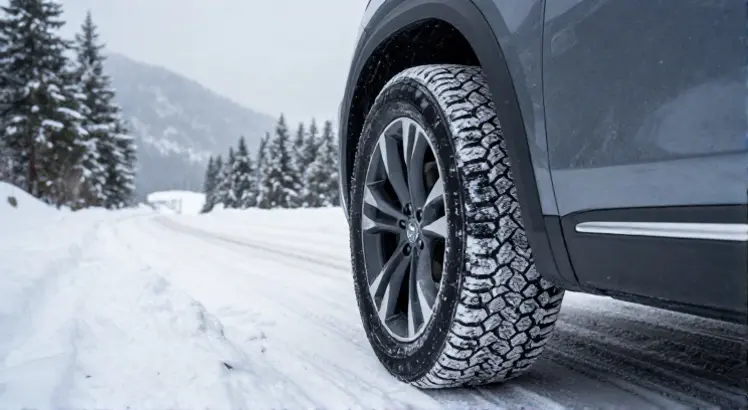
Choosing the right set of tires for your SUV can feel overwhelming, especially when winter hits. You need something tough enough to handle the weight of your vehicle, yet gentle enough to keep your family safe on icy asphalt. This guide dives deep into finding the best snow tires for SUVs, helping you cut through the marketing jargon and focus on real-world performance.
We will explore the specific challenges SUVs face in winter and why all-season rubber often falls short when the temperature drops. You will learn which brands truly deliver the stopping power and lateral grip you need. By the end, you will know exactly what to look for in a dedicated winter tire.
Why Your SUV Needs Dedicated Snow Tires
Many drivers believe that all-wheel drive or four-wheel drive is a magic shield against winter hazards. This is a dangerous misconception. While AWD helps you get going on a slick surface, it does absolutely nothing to help you stop or steer when you hit a patch of black ice.
All-season tires harden when the mercury drops below 45 degrees Fahrenheit. This hardening drastically reduces the friction coefficient between the rubber and the road. An SUV is heavy, often topping 4,000 pounds, and that mass creates momentum that is hard to kill without soft, pliable winter compounds.
Dedicated winter tires use a silica-based tread compound that stays flexible in freezing temperatures. The aggressive tread patterns are designed with high-density siping, tiny slits in the tread blocks that bite into snow and ice. For a vehicle with a high center of gravity, this lateral stability is non-negotiable to prevent rollovers during sharp winter maneuvers.
Key Features of the Best Snow Tires for SUVs
Not all winter tires are created equal, and SUVs put specific demands on their construction. You cannot simply throw a passenger car winter tire on an SUV and expect it to perform. The load range and construction must match the vehicle’s specifications.
Load Index and Ply Construction
SUVs require tires with a higher load index to safely carry the vehicle’s weight plus cargo and passengers. Look for tires specifically labeled as “LT” (Light Truck) or “XL” (Extra Load) if your manufacturer requires them. These tires feature reinforced sidewalls to handle the stress of heavy braking and cornering on a large vehicle.
Tread Depth and Siping Patterns
Deep tread grooves are essential for evacuating slush and water, dramatically reducing the risk of hydroplaning. The best models feature a directional tread pattern that channels slush away from the contact patch. Look closely at the siping density, as a higher number of sipes creates more biting edges for gripping sheet ice at intersections.
The Three-Peak Mountain Snowflake Symbol
This symbol on the sidewall indicates the tire meets stringent industry standards for severe snow service. It is not just a marketing sticker, it is a certification that the tire passed acceleration traction tests in medium-packed snow. Always look for this badge to ensure you are getting a true winter tire, not just an all-season mud and snow rated tire.
Top Picks for Best Snow Tires for SUVs This Season
We have analyzed the market based on ice braking, dry road stability, road noise, and tread life expectancy. Here are the top contenders that balance the ruggedness needed for an SUV with the finesse needed for black ice. These picks cover premium, mid-range, and budget-friendly options.
Bridgestone Blizzak DM-V2: The Ice Destroyer

Bridgestone Blizzak DM-V2 Winter/Snow SUV Tire 265/60R18 110 R
Check PriceThe Blizzak series is a household name in winter traction, and the DM-V2 variant is tailor-made for crossovers and SUVs. It utilizes Bridgestone’s proprietary Multicell compound that has a porous surface layer. This layer acts like a sponge, wicking away the thin film of water that forms on top of ice and creating a dry contact patch.
Drivers report superior confidence during emergency braking scenarios on polished snow. The downside is that the multicell compound is limited to the first 55 percent of the tread depth. Once you wear past that, it transitions to a standard winter compound, so you must monitor wear to maintain peak ice performance.
Michelin X-Ice Snow SUV: The Long-Haul Champion

Michelin X-Ice Snow 225/60R16 102H Bsw Winter tire
Check PriceIf longevity is your main concern, the Michelin X-Ice Snow SUV is difficult to beat. Michelin engineered this tire with a focus on lasting many winter seasons without the rapid degradation common in softer Nordic compounds. The rigid tread blocks reduce squirm, delivering a more planted, stable feeling on highways, which heavier SUVs need.
This tire uses two distinct types of full-depth sipes, meaning the grip remains consistent as the tire wears down. The V-shaped tread design efficiently digs into deep snow. It is an excellent choice for drivers who cover long distances on cleared highways but frequently encounter unplowed side roads.
Nokian Hakkapeliitta R5 SUV: The Master of Extremes

Nokian Tyres Hakkapeliitta R5 SUV 275/55 R 20 117R XL Winter Tire
Check PriceNokian, headquartered in Finland, designs tires explicitly for punishing arctic conditions. The Hakkapeliitta R5 SUV is a non-studded tire that rivals many studded options on sheer ice. It features “Arctic Grip” grip particles, a crystalline material scattered throughout the tread compound that acts like built-in studs without destroying the road.
This tire excels in slush management thanks to aggressive slush claws on the shoulder blocks. For SUVs navigating mountain passes with unpredictable weather, this tire offers a level of lateral grip that inspires absolute confidence. The specialized sidewall construction also supports the heavy load of electric SUVs effortlessly.
Studded vs. Non-Studded Tires for SUVs
A critical decision point is whether to opt for studded or non-studded winter tires. Studded tires feature metal pins embedded in the rubber to dig into solid ice. They deliver unrivaled grip on sheer ice but come with significant trade-offs in noise, ride comfort, and wet-road braking distances.
Non-studded tires, often called friction tires, rely entirely on rubber compounds and siping. For most SUV owners living in areas with plowed roads and occasional snowpack, modern studless tires like the Blizzak or X-Ice provide more than enough traction. Studs are generally only necessary if you live in a rural area where roads remain ice-covered for the majority of the winter.
- Studded Pros: Superior traction on hard-packed ice and packed snow.
- Studded Cons: Very noisy highway ride and longer stopping distances on wet or dry asphalt.
- Studless Pros: Quiet, comfortable, and versatile across changing winter conditions.
- Studless Cons: Cannot match the sheer ice grip of a high-quality studded tire in extreme conditions.
Matching Snow Tires to Your SUV’s Drivetrain
Your SUV’s drivetrain configuration plays a massive role in how you should buy tires. An all-wheel-drive system adds complexity to tire shopping because uneven tread depths can destroy the transfer case over time. Tire sizing must be precise.
AWD and 4WD Tire Safety
If you get a non-repairable flat on one winter tire, you cannot simply replace just one tire on a modern AWD SUV. The difference in rolling circumference between the new tire and the worn tires will cause the differentials to overheat. You must either shave the new tire down to match the others or buy a complete set of four.
This is a costly reality of AWD maintenance. You can avoid this headache by rotating your winter tires regularly to ensure they wear evenly. A uniform tread depth protects your drivetrain and keeps the stability control system calibrated correctly during a slide.
Rear-Wheel Drive SUVs
If you drive a body-on-frame SUV with selectable 4WD that runs in 2WD high most of the time, your rear axle is often light. This can cause fishtailing. You want a winter tire with a very aggressive tread pattern to give the rear end a strong bite. Ballast weight in the bed can also significantly aid traction.
Proper Installation and Maintenance Tips
Buying the premium tires means nothing if they are mounted incorrectly or neglected. The way you store and air up your tires directly impacts your safety and the longevity of your investment. Tire pressure monitoring systems (TPMS) must also be addressed during seasonal swaps.
Cold Pressure Adjustments
Air pressure drops roughly 1 PSI for every 10-degree temperature drop. If you install tires in a heated garage, the pressure will plummet when you park outside overnight. Always inflate your snow tires to the vehicle manufacturer’s recommended pressure, checked in the morning when the tires are “cold.” Do not deflate tires intentionally for grip, this weakens the sidewall and causes dangerous heat buildup.
Timing the Seasonal Swap
Mount your winter tires before the first hard frost hits. Winter tires wear out incredibly quickly if driven on hot, dry asphalt in late autumn. The ideal window is when temperatures consistently stay below 45 degrees Fahrenheit. Waiting for the first snowstorm to hit is a recipe for accidents and crowded tire shops.
Frequently Asked Questions
Should I buy a dedicated set of rims for winter?
Yes, purchasing a cheap set of steel or alloy winter rims is a wise investment. Constantly mounting and dismounting the rubber from a single set of rims stresses the tire bead and can lead to leaks. A dedicated set allows for easy seasonal swaps at home and protects your factory rims from corrosive road salt.
Can I run snow tires only on the front of my SUV?
Absolutely not. Installing traction tires only on the front axle will cause a severe imbalance where the rear of the vehicle has significantly less grip than the front. This leads to the rear end snapping out sideways during cornering. Always install winter tires in complete sets of four to ensure balanced handling.
Are wider or narrower tires better for snow?
For deep snow, narrower tires are superior. A narrower contact patch slices through the snow and slush to find the hard pavement underneath, rather than floating on top of the slick material. Check your owner’s manual to see if a minus-sizing option is available, selecting a smaller wheel diameter with a taller, narrower snow tire often maximizes winter performance.
How fast can I drive on winter tires?
Winter tires typically have a lower speed rating than performance summer tires, often “Q” (99 mph) or “T” (118 mph). While this is generally faster than any legal speed limit, it indicates the tire is optimized for cold grip over high-speed stability. You should reduce your speed in winter conditions significantly below the tire’s maximum rating for safety.
Conclusion
Your SUV’s advanced safety systems are completely dependent on the four contact patches touching the ground. Investing in quality rubber like the Bridgestone Blizzak DM-V2 or Michelin X-Ice Snow SUV transforms your vehicle from a liability in a blizzard into a confident, stable machine. Do not wait for the first emergency stop to realize your all-seasons have failed you.
If your current tread is looking thin, now is the time to examine your options. For a broader look at selecting different categories of rubber, you might find our guide on the top all-season winter tire picks helpful for comparison. Also, understanding how other SUV categories perform can be useful, so read our review on the best winter tires for trucks to see how heavier vehicles handle the snow.
The science of snow tire design continues to leap forward, and modern rubber compounds offer safety margins that were impossible a decade ago. Prioritize the Three-Peak Mountain Snowflake symbol, prioritize a full set of four tires, and you will reclaim winter driving with confidence. Stay safe and drive calmly.
External research from the Tire Rack winter tire testing confirms that dedicated winter compounds outperform all-seasons significantly below freezing, reinforcing the critical need for a seasonal switch.