You just bought a fresh set of aftermarket wheels, and now you need wheel spacers to clear your brakes or perfect your stance. But when you start shopping, you quickly face a critical decision: hub centric wheel spacers vs lug centric. This choice directly affects your vehicle’s ride quality, safety, and the long-term health of your suspension. Many car enthusiasts overlook the engineering behind these two designs.
Understanding how your wheel centers on the hub will save you from vibration headaches and potential hardware failure. In this guide, you will learn the real functional differences between hub centric and lug centric spacers. We will break down the mechanics, compare safety profiles, and help you decide which option matches your driving needs.
By the end of this article, you will know exactly why a tight fit on the hub matters more than you think. We will also cover installation tricks, common myths, and situations where one style clearly wins over the other.

Orion Motor Tech 5×5 Wheel Spacers
Check PriceWhat Are Hub Centric Wheel Spacers?
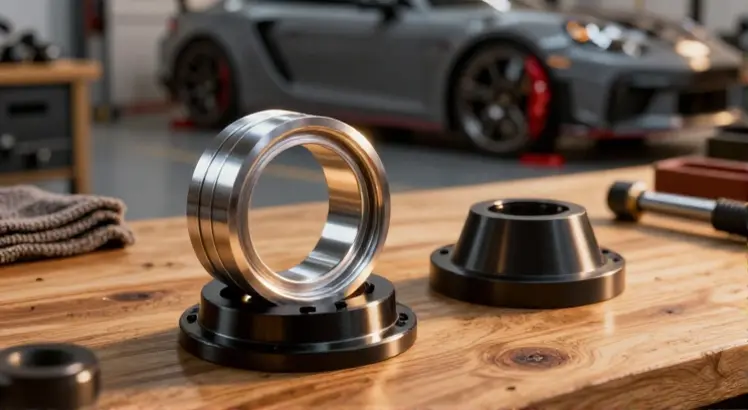
A hub centric wheel spacer is designed with a center bore that perfectly matches the vehicle’s hub flange. The weight of the vehicle is carried by the hub, not the lug studs. This design includes a machined lip that seats tightly onto the hub, ensuring the wheel and spacer assembly rotate exactly around the axle’s centerline.
When you slide a hub centric spacer onto the axle, there is no gap between the spacer’s bore and the hub. The tight tolerance eliminates any chance of the assembly being mounted off-center. Because the load rests on the hub lip, the lug nuts are only responsible for clamping force, not for supporting the vehicle’s mass.
Most modern vehicles come from the factory with hub centric wheels. When you add a hub centric spacer, you preserve that original engineering principle. This ensures a vibration-free ride and reduces stress on your studs over time.
What Are Lug Centric Wheel Spacers?

KSP 6X5.5 Wheel Spacers
Check PriceLug centric wheel spacers rely on the lug nuts to center the wheel and spacer on the axle. The center bore of a lug centric spacer is usually oversized, meaning it does not touch the vehicle’s hub flange. Instead, tapered lug nuts pull the spacer into what is supposed to be the correct position as you tighten them in a star pattern.
This design puts the full weight of the vehicle directly onto the wheel studs. While steel studs are incredibly strong, they were not engineered to carry bending loads long term. If the spacer shifts even a fraction of a millimeter during hard cornering or braking, the rotational mass becomes imbalanced.
Lug centric spacers are common in universal fit applications because they can accommodate multiple bolt patterns. However, that flexibility often comes at the cost of precision. For a daily driver that sees highway speeds, a lug centric setup requires meticulous installation and frequent checks to keep vibrations at bay.
Hub Centric vs Lug Centric Wheel Spacers: Key Differences
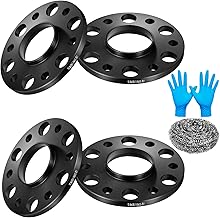
SYKRSS 6×5.5 12mm Wheel Spacers
Check PriceThe core difference boils down to what carries the load. The hub flange handles the weight in a hub centric system, while the lug studs do the heavy lifting in a lug centric system. This single distinction affects safety, installation difficulty, and long-term reliability.
Load Distribution and Stress Points
In a hub centric setup, vertical forces from road impacts travel directly from the wheel into the spacer, then into the hub flange. The studs simply clamp everything together. This is a shear-free load path that protects your hardware from fatigue.
With lug centric spacers, every bump and pothole sends shock loads through the studs. Over time, this can cause microscopic cracks near the stud base, especially if the lug nuts lose a tiny amount of torque. Many mechanics report seeing stretched or snapped studs on cars that ran lug centric spacers without regular maintenance.
Vibration and Ride Quality
Hub centric spacers deliver a smooth, factory-like ride because the assembly is mechanically forced into a true center position. You can bolt them on, torque the nuts, and immediately drive at 70 miles per hour without steering wheel shake. The precision machining eliminates guesswork.
Lug centric spacers often cause a frustrating shimmy between 50 and 70 miles per hour. This vibration happens when the spacer is mounted even 0.005 inches off center. Because the only guide is the conical seat of the lug nut, achieving perfect centering can take several attempts. Some users never fully resolve the issue without switching to a hub centric design.
Installation and Torque Sensitivity
Hub centric spacers slide on and seat firmly with little effort. You simply clean the hub mating surface, apply a thin layer of anti-seize if recommended, and bolt the spacer down. The tight bore guides the spacer home, making it hard to mount incorrectly.
Lug centric spacers demand a careful, step-by-step procedure. You must gradually tighten the lugs in a star pattern, constantly checking for runout. If one lug nut gets slightly more torque than the others during the process, it can pull the spacer off center. This sensitivity makes lug centric spacers less forgiving for beginners.
For quality hub centric options that minimize these headaches, we recommend visiting our guide to the top rated hub centric wheel spacers. It compares machined aluminum brands that guarantee runout tolerances under 0.002 inches.
Safety Considerations for Both Designs

Orion Motor Tech 5×4.5 Hub Centric Wheel Spacers
Check PriceRegardless of the type, a wheel spacer must be installed with the correct thread engagement. You need at least six to eight full turns of the lug nut to ensure safe clamping. If your studs are too short after adding a spacer, you risk stripping the threads or losing a wheel.
Hub centric spacers are widely considered the safer option for street use. The load path aligns with the vehicle manufacturer’s original design intent. Major aftermarket authorities, including the experts at Tire Rack, explain that hub centric fitment eliminates the possibility of radial runout that causes vibration and stud fatigue (see wheel spacer ).
Lug centric spacers are not inherently dangerous, but they require a stricter maintenance schedule. You must re-torque the lug nuts after the first 50 miles of driving and check them every tire rotation thereafter. Neglecting this routine can allow the spacer to settle and loosen.
When Is a Lug Centric Spacer Acceptable?

dynofit 2 Inch 6×135 Hub-Centric Wheel Spacers
Check PriceLug centric spacers still have a place in the automotive world. Off-road rigs and dedicated track cars sometimes use them because the wheels get removed and inspected frequently. If you only need a small 3mm or 5mm slip-on spacer to clear a brake caliper, a high quality lug centric plate can work safely since the hub lip still engages enough to center the wheel.
However, the minute you move to thicker spacers, the hub ring stops making contact, and you lose that factory centering advantage. In these cases, buying hub centric spacers becomes a necessity, not a luxury. The cost difference at that thickness is negligible compared to the peace of mind you get.
If you are building a show car that rarely sees highway speeds, lug centric spacers might satisfy your fitment goals on a budget. Just remember that any vibration will still transmit through the steering wheel, causing annoying cabin noise even at low speeds.
Hub Centric Rings and Mixed Setups

Wheel Accessories Parts 5×4.5 Hub Centric Wheel Spacers
Check PriceSome aftermarket wheels use a universal center bore and require hub centric rings to adapt them to a specific vehicle. These plastic or aluminum rings fill the gap between the wheel bore and the hub. A common question is whether you can stack a hub centric ring onto a lug centric spacer to get the best of both worlds.
While this might seem like a clever workaround, adding a ring does not transform a lug centric spacer into a true hub centric setup. The ring itself is not load bearing, it simply aids in visualizing center during assembly. Relying on a plastic ring to handle lateral forces is a bad idea. If you want real hub centric safety, you need a spacer machined with its own integrated lip.
For a broader overview of spacer materials and bolt-on versus slip-on styles, take a look at our comprehensive wheel spacer buying guide. It covers torque specs and stud replacement tips that apply to both designs.
Material Quality and Manufacturing Precision
The performance of a hub centric spacer hinges on the quality of the aluminum alloy and the CNC machining process. Premium brands use 6061-T6 billet aluminum and anodize the surface to prevent corrosion. They also precision machine the hub centric lip to a tolerance of less than 0.1 millimeters. This tight fit is what stops vibrations before they start.
Cheap lug centric spacers are often cast or laser-cut from generic steel plate. The mounting faces may not be perfectly parallel, which introduces a wobble that no amount of balancing can fix. Paying extra for machined billet spacers, regardless of centering style, always pays off in the long run.
Always look for spacers that specify true hub centric fitment for your vehicle’s exact make and model. A spacer labeled universal fit rarely delivers the vibration-free ride you want on a modern car.
Step-by-Step Installation Best Practices
- Clean the hub face thoroughly with a wire brush to remove any rust or debris that could create an uneven mounting surface.
- Apply a thin coat of anti-seize compound on the hub lip only if the manufacturer instructs you to do so.
- Slide the hub centric spacer onto the flange until it seats completely flush, with zero light visible between the spacer and rotor hat.
- Hand-start all lug nuts to avoid cross-threading, then use a calibrated torque wrench to tighten gradually in a star pattern.
- Re-torque the fasteners after 50 to 100 miles of driving, especially with lug centric spacers, to compensate for initial settling.
Following these steps carefully reduces the likelihood of runout. If you ever feel a vibration after installing spacers, remove them immediately and verify that no dirt got trapped between the mating surfaces.
Common Myths and Misconceptions

FLYCLE 6×5.5 Hubcentric Wheel Spacers
Check PriceMyth: Hub Centric Spacers Never Need Re-Torquing
Even a perfect hub centric fit requires a re-torque after the first short drive. The aluminum spacer undergoes thermal expansion and micro-settling against the steel hub. Checking bolt torque is a quick safety habit, not an admission of design failure.
Myth: Lug Centric Spacers Always Cause Vibration
Lug centric spacers can run smoothly if they are well machined and installed with extreme care. Some specialty motorsport shops use them on race cars without issues. The difference is that professionals check runout with a dial indicator and use precise torque sequencing, procedures the average weekend mechanic skips.
Myth: Spacers Destroy Wheel Bearings
Spacers alter the scrub radius and leverage on the bearing, but a modest offset change does not destroy bearings overnight. Hub centric spacers distribute the load evenly, keeping bearing wear close to factory levels. The risk comes when you push the wheel out to an aggressive stance without upgrading studs or verifying load capacity.
Frequently Asked Questions
Are hub centric spacers safer than lug centric?
Yes, hub centric spacers are generally safer for daily driving. They transfer the vehicle’s weight directly to the hub flange instead of relying on the wheel studs to center and support the load. This design matches the factory engineering of most modern vehicles.
Can I use lug centric spacers on a hub centric car?
You can physically install them, but you will likely lose the vibration-free ride your car was designed to have. If the spacer has a large, non-contacting bore, the wheel is no longer centered by the hub. This often leads to steering wheel shake and uneven lug stud stress.
Do I need hub centric rings with lug centric spacers?
Hub centric rings help center a wheel during installation but do not carry weight. Using a ring with a lug centric spacer can reduce initial vibration issues, but it does not convert the spacer to a load-bearing hub centric design. The studs are still the primary load path.
What thickness forces me to switch to hub centric?
Generally, spacers thicker than 5mm prevent the factory hub lip from engaging the wheel center bore. At this point, a hub centric spacer with its own integrated lip becomes critical to maintain proper centering and prevent vibration.
Will wheel spacers make my tires rub the fenders?
Adding spacers pushes the wheels outward, which can cause rubbing if you already have an aggressive tire fitment. Measure your current clearance at full steering lock. A quality hub centric spacer simply changes the offset, and the risk of rubbing depends on the added width, not the centering method.
How to Choose the Right Spacer for Your Vehicle
Start by identifying your car’s hub size and bolt pattern. A digital caliper helps you measure the hub lip diameter accurately. Once you know that number, search for spacers that list an exact hub bore match, not a range. Hub centric spacers are always vehicle-specific, while lug centric spacers are often generic.
Consider your driving style. If you commute on the highway every day, the precision of a hub centric spacer saves you from irritating vibrations and premature suspension wear. If you only drive the car to local shows and never exceed 45 miles per hour, a well-made lug centric spacer with proper torque might suffice.
Always pair your spacers with quality extended length lug nuts or bolts. The extra clamping depth ensures the lug nut engages enough thread to hold safely. A common mistake is using stock lug nuts on a thick spacer, leaving dangerously little thread engagement.
Maintenance Tips for Long Term Reliability
- Re-torque your lug nuts after the first 50 to 100 miles and every subsequent tire rotation.
- Inspect the spacer for hairline cracks or galvanic corrosion, especially where aluminum meets the steel hub.
- Keep the mating surfaces clean and dry during seasonal tire changes. Dirt buildup alters the zero point of your torque reading.
- If you live in a region with road salt, apply a thin layer of anti-seize on the hub centering ring to prevent the spacer from seizing to the hub.
Watching for these small details keeps your hub centric wheel spacers performing like new for years. Lug centric spacers demand even more vigilance, specifically around lug nut torque, because the assembly has no mechanical centering backup.
Conclusion
The debate between hub centric wheel spacers vs lug centric ultimately comes down to physics and peace of mind. A hub centric spacer supports the vehicle on the hub flange, exactly as engineers intended, while a lug centric spacer shifts that burden onto the studs. For daily driving, highway safety, and a vibration-free ride, hub centric is the clear winner.
Lug centric spacers still serve a narrow purpose for low-speed show cars or off-road rigs that get constant maintenance. But once you understand how the load path works, it becomes hard to justify the risk on a vehicle you drive at speed. Invest in a precision-machined, vehicle-specific hub centric spacer, follow a strict torque procedure, and enjoy the improved stance without sacrificing safety.
Now that you know the critical differences, measure your hub, check your stud length, and choose the design that keeps your wheels turning true. Your steering wheel will thank you with miles of smooth, shake-free driving.