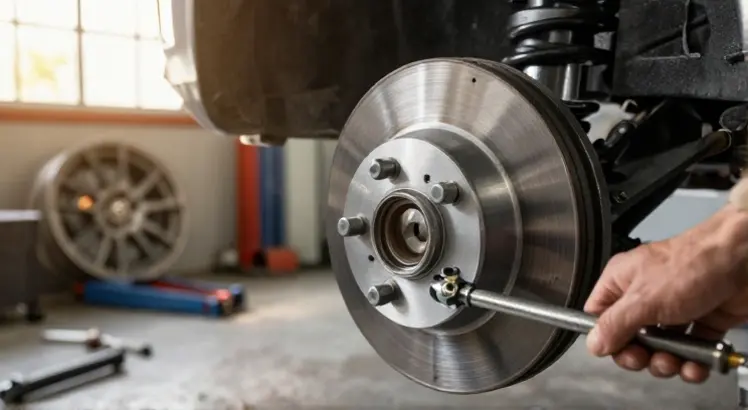
If you have ever wanted a wider stance or needed to clear bigger brake calipers, wheel spacers likely crossed your mind. Many drivers immediately ask, are hub centric wheel spacers safe? The short answer is yes, when you choose quality parts and install them correctly, hub centric spacers are perfectly safe. However, the safety of these components depends entirely on a few critical factors. Understanding the difference between hub centric and lug centric designs is the first step toward making a confident decision.
Wheel spacers have earned a controversial reputation, mostly due to cheap, poorly engineered knock-offs flooding the market. A properly designed hub centric spacer actually enhances the connection between your wheel and axle hub. It carries the weight of the vehicle on the hub lip, not on the lug studs. This article will walk you through the engineering, installation, and long-term reliability of these parts. You will learn how to avoid the pitfalls that compromise safety.
What Exactly Are Hub Centric Wheel Spacers?

Orion Motor Tech 5×5 Wheel Spacers
Check PriceBefore evaluating safety, you need a clear definition of hub centric wheel spacers. These are precision-machined aluminum or steel plates that mount between the vehicle hub and the wheel. The defining feature is a machined center bore that matches the vehicle hub diameter perfectly. This lip creates a tight, load-bearing connection. The vehicle’s weight rests directly on this hub lip, not on the lug studs.
In contrast, a standard lug centric spacer relies solely on the wheel studs and conical lug nuts to center the wheel. The studs not only clamp the wheel down, they also bear the full vertical load. Lug centric spacers can work, but they lack the self-centering precision of a hub centric design. With a hub centric spacer, you get an exact, repeatable mount every time the wheel goes on.
How Hub Centric Spacers Differ from Lug Centric Spacers

KSP 6X5.5 Wheel Spacers
Check PriceTo fully answer the question, are hub centric wheel spacers safe, we must compare the two main types. Lug centric spacers use the lug nuts to center the wheel. This method can introduce a very slight runout or vibration if the studs are not perfectly aligned. Tightening the lug nuts unevenly may leave the wheel slightly off-center. On a smooth highway, this imbalance becomes a noticeable steering wheel shake.
Hub centric spacers eliminate that variable. The center bore of the spacer fits snugly over the hub ring, and the spacer itself has a matching raised lip for the wheel. This dual lip system guarantees the wheel rotates precisely around the axle centerline. The load path is transferred directly through the rigid hub lip, which is far stronger than the side load capacity of wheel studs.
Key Safety Factors: Material and Design
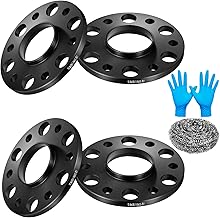
SYKRSS 6×5.5 12mm Wheel Spacers
Check PriceForged Aluminum vs. Cast Aluminum
One of the biggest safety variables is the material. High-quality hub centric spacers are CNC machined from forged 6061-T6 aluminum billet. Forging aligns the metal grain structure, creating incredible tensile strength without adding weight. Billet spacers resist cracking under shock loads and dissipate heat efficiently. They perform reliably under hard cornering and heavy braking cycles.
Cheap cast aluminum spacers are a different story. Casting can trap air bubbles and impurities in the metal, creating weak points. Under load, these imperfections can propagate cracks. A fractured spacer at highway speed is catastrophic. Always verify that the manufacturer uses forged billet and avoids cast material for any spacer you consider using on a road car.
Grade 10.9 Wheel Studs
The spacer itself is only part of the equation. If the spacer thickness increases, you must also extend the wheel studs or use a bolt-on design with integrated studs. These studs need to meet or exceed OEM strength. Look for ISO grade 10.9 or stronger steel studs. Reputable brands like Bora install pressed-in, knurled studs that are matched to the spacer. If you see ungraded hardware, walk away.
Bolt-on hub centric spacers are popular for wider track widths. They bolt to the factory hub with included nuts, then provide a new set of studs for the wheel. The safety of this system depends on using the correct thread locker and torque specification on the inner bolts. Overlooking this step can cause the spacer to loosen against the hub, leading to a dangerous wobble. You can explore our detailed guide to the best hub centric wheel spacers to see top picks that prioritize forged materials and grade 10.9 hardware.
The Critical Role of Hub Centric Rings

Orion Motor Tech 5×4.5 Hub Centric Wheel Spacers
Check PriceA true hub centric spacer incorporates a precision machined hub ring on both sides. One side receives the vehicle hub, the other side pilots the wheel. For this to work, the spacer’s bore and lip must match your specific vehicle to within a few hundredths of a millimeter. Universal spacers with plastic hub centric rings can work temporarily, but they are far less robust than an integrated aluminum lip.
Plastic rings can deform under extreme brake heat, especially on a track day or in mountainous terrain. Once the ring distorts, the wheel effectively becomes lug centric, and vibration creeps in. The safest hub centric spacers have the hub ring machined directly into the spacer body. This monolithic design removes an extra failure point. When you install the wheel, it seats perfectly every time, no guesswork required.
Proper Installation and Torque Sequence

dynofit 2 Inch 6×135 Hub-Centric Wheel Spacers
Check PriceEven the finest spacer becomes a safety risk if installed incorrectly. Clean the hub mating surface thoroughly before mounting the spacer. Rust and corrosion create an uneven base, which can lead to runout. A thin coat of anti-seize on the hub lip helps prevent galvanic corrosion between the aluminum spacer and steel hub. However, never apply anti-seize to wheel stud threads unless the manufacturer explicitly specifies it, as it alters the torque reading.
Torque the bolts or nuts in a star pattern, gradually stepping up to the final torque value. Use a calibrated torque wrench, not an impact gun. For bolt-on spacers, re-torque the inner nuts after the first 50 to 100 miles of driving. Also re-check the wheel lug nuts. This vital step compensates for any initial settling. Skipping the re-torque is one of the most common causes of spacer failure reported by automotive experts when they have analyzed wheel spacer safety.
Daily Driving, Towing, and Off-Road Considerations

Wheel Accessories Parts 5×4.5 Hub Centric Wheel Spacers
Check PriceAre hub centric wheel spacers safe for daily driving? Absolutely, as long as you match the spacer’s load rating to your vehicle’s gross axle weight rating. Passenger cars have lighter loads, so a quality 5mm to 20mm spacer rarely exceeds stress limits. Trucks and SUVs, especially those used for towing or off-roading, place significantly higher shear forces on the hub assembly. In these applications, stick to spacers with a minimum thickness that still allows a full hub lip engagement.
For heavy towing, consult the spacer manufacturer about load capacity. Some brands engineer spacers specifically for commercial or heavy-duty use. Off-road driving adds impact loads from rocks and ruts. A forged aluminum spacer absorbs these spikes well, but cast units may fail. Checking your spacers for cracks as part of your pre-trip inspection is a smart habit. If you are exploring spacer upgrades for a truck, you might also read our evaluation of reputable brands like Bora to understand which designs withstand extreme duty cycles.
Common Risks When Spacers Are Installed Incorrectly

FLYCLE 6×5.5 Hubcentric Wheel Spacers
Check Price- Vibration and Steering Shimmy: A spacer that is not fully seated on the hub, or one with a sloppy center bore, causes a cyclical wobble. This not only feels unpleasant, it accelerates wear on steering components.
- Lug Nut Back-off: Reusing factory lug nuts on extended studs without checking thread engagement strips threads. You need at least 6 to 8 full turns of engagement. If the spacer is thick, you must use extended studs or bolt-on spacers.
- Suspension Geometry Changes: Pushing the wheels outward alters the scrub radius and increases bearing load. A mild 5mm to 10mm change is usually negligible, but aggressive 25mm spacers require attention to wheel alignment and bearing health.
- Fender Clearance Issues: A spacer that pushes the tire tread past the fender edge can rub under compression. This damages the tire sidewall and, in extreme cases, may cut the tire abruptly.
How to Verify Hub Centric Spacer Quality
Ask for the official specifications before buying. Reputable companies publish the center bore diameter, bolt pattern, and stud grade openly. The spacer should arrive with a certificate of conformity or at least laser-etched specifications on the part itself. Avoid no-name spacers sold only by thickness and bolt pattern, these are the ones automotive experts have analyzed to be the riskiest.
Look for consistent machining marks and a uniform anodized finish. Anodizing adds surface hardness and corrosion resistance. Run your finger along the hub ring lip, it should feel completely smooth but show no signs of hand-polishing. Hand-polished lips often indicate a part that was reworked to fix a bad machining batch.
Frequently Asked Questions
Do hub centric spacers cause wheel bearing failure?
They can accelerate bearing wear if you use an excessively thick spacer that moves the tire centerline far outward. The added leverage increases the moment arm on the bearing. Stay within the manufacturer’s recommended maximum offset change, and the impact on bearing life is minimal.
Can I use hub centric spacers with aftermarket wheels?
Yes, this is one of the best applications. Many aftermarket wheels have a larger center bore to fit various vehicles. A hub centric spacer can fill that gap perfectly, ensuring the wheel is hub centric even if the wheel itself has an oversized bore.
Are bolt-on hub centric spacers safer than slip-on?
Neither is universally safer, each suits a different use. Slip-on spacers under 10mm are straightforward and safe with proper stud length. Over 10mm, bolt-on spacers become the better engineering choice because they include a new set of studs, eliminating the need to press in extended lugs.
How often should I check my spacers?
Check the torque of the spacer bolts and wheel lug nuts every time you rotate your tires, or at least every 5,000 miles. If you track the car or off-road frequently, inspect them before each event. Consistent torque readings are the best indicator of a healthy installation.
Conclusion: Making the Safe Choice
So, are hub centric wheel spacers safe? When you select forged billet spacers with precise hub rings, install them cleanly, and torque them meticulously, they are not just safe, they are an upgrade. They preserve the factory engineering intent of carrying the load on the hub. The horror stories you hear almost always trace back to incorrect fitment, cast metal failures, or neglected re-torque procedures.
Treat wheel spacers with the same respect you would give any suspension component. Buy from a brand that stands behind its engineering, check your hardware, and drive confidently. The peace of mind from a properly installed hub centric spacer transforms your vehicle’s stance without compromising the reliability you depend on every day.