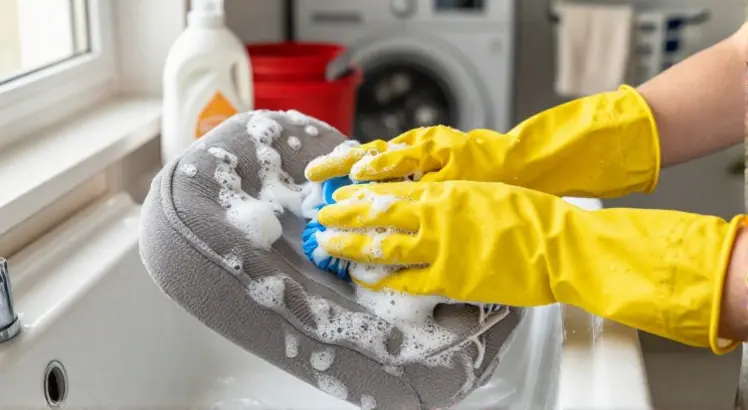
You just spilled coffee on your driver’s seat, or maybe your kid decided to turn the backseat into a snack bar. You look at the mess and wonder, can you wash car seat covers without ruining them? The short answer is yes, most car seat covers are washable, but the method depends entirely on the material. Tossing a sheepskin cover into a hot washing machine will leave you with a matted disaster, while a neoprene cover might laugh at a little soap and water.
We have all been there, staring at a care label that looks like ancient hieroglyphics. The good news is that cleaning your seat covers at home is simpler than you think. This guide will walk you through exactly how to wash fabric, neoprene, leather, and even delicate luxury covers safely. You will learn the right water temperature, the best detergents, and the drying tricks that prevent shrinkage.
Types of Car Seat Covers and Their Washability

Tinecio Waterproof Towel Seat Cover
Check PriceBefore you grab the laundry basket, you need to identify what you are dealing with. Different materials react to water and agitation in drastically different ways. The most common types on the market are universal fabric covers, custom-fit neoprene, waterproof shells, and luxury leather or faux leather. Understanding the fabric is the first step to answering the question, can you wash car seat covers safely.
If you are unsure, always check the manufacturer’s tag usually hidden on the underside or the back of the cover. This tag is the ultimate authority. If the tag is missing, a general rule of thumb is that polyester and nylon blends love a gentle wash, while natural fibers and leather require a much softer touch.
Fabric and Canvas Seat Covers
Standard fabric seat covers, often made from polyester, cotton blends, or canvas, are the most forgiving. They are designed to take a beating and usually survive a washing machine cycle without a problem. These are the covers you find in most budget-friendly and universal fit categories.
Canvas covers, in particular, are extremely durable but can be stiff. They benefit from a cold water wash to prevent the fibers from locking up. You can pretreat heavy stains on these with a simple paste of baking soda and water before washing. For compatible options, checking out a selection of washable covers designed for heavy use can make maintenance a breeze.
Neoprene and Waterproof Covers
Neoprene is the same material used in wetsuits, which means it handles moisture beautifully. It is a top choice for pet owners and outdoor enthusiasts. The dense rubber-like foam acts as a barrier, preventing spills from reaching the original upholstery.
While neoprene is machine washable, it hates heat. You risk losing the stretchy shape if you use hot water. It is also crucial to avoid fabric softener entirely, as it clogs the material’s pores and ruins the waterproof backing. For trucks that see a lot of mud, many drivers prefer durable waterproof seat covers that can be hosed down quickly.
Leather and Faux Leather Seat Covers
Here is where you need to pause. You cannot wash genuine leather seat covers in a washing machine. Water strips the natural oils from the hide, leading to cracking and stiffness. The answer to can you wash car seat covers made of leather is a strict no if you mean submerging them in water.
Instead, you need to clean leather with a specialized saddle soap or a pH-balanced leather cleaner. Faux leather is slightly more resilient to mild soap and water, but it will peel if scrubbed too hard. A damp microfiber cloth and a dedicated conditioner are your best friends for these premium materials.
Sheepskin and Luxury Materials
Sheepskin covers are the high-maintenance royalty of car interiors. They trap heat in winter and stay cool in summer, but they are notoriously difficult to clean. You can technically wash sheepskin, but only with a specialized wool wash and a very delicate cycle, or preferably by hand.
Agitation is the enemy of natural shearling. Too much movement causes the fibers to mat together, turning a fluffy cover into a stiff felt pad. After washing, sheepskin must be air-dried completely and brushed with a wire pet brush to restore the softness.
How to Wash Car Seat Covers: Step-by-Step

LoyaGour Car Seat Cover Protector Front Seats
Check PriceNow that you know the material matters, let’s get into the actual process. Whether you are dealing with a muddy dog print or a coffee stain, the preparation is just as important as the wash itself. Rushing the process is what causes Velcro straps to snag and seams to tear.
Pre-Wash Preparation
First, remove the covers from the seats carefully. Do not yank them, as you might break the plastic clips or elastic straps. If the cover has a tight fit, slide your fingers between the seat and the cover to release the hooks gently.
Once removed, take the covers outside and give them a good shake. This dislodges loose dirt, crumbs, and pet hair. It is a messy step, but skipping it means you will be washing your covers in dirty water, and that dirt will settle back into the fibers. Next, check all pockets and vacuum any stubborn debris stuck in the seams.
Machine Washing Instructions
For neoprene, polyester, and canvas covers, the washing machine is safe. Always use a front-loading washer if you have one. A top-loader with a central agitator can catch the straps and rip the cover. If you must use a top-loader, place the covers in a mesh laundry bag to protect them.
Set the machine to a gentle or delicate cycle with cold water. Hot water can melt the foam backing found in many plush covers. Use a mild detergent, free of bleach and aggressive stain removers. Fabric softener is a big no for any cover with a waterproof coating, so skip it. This approach aligns with any standard guide to cleaning automotive upholstery that emphasizes gentle care.
Hand Washing and Spot Cleaning
If you are dealing with sheepskin, leather, or a cover that simply has a stubborn localized stain, hand washing is the safest route. Fill a bathtub or large basin with cool water and a small amount of gentle detergent. Submerge the cover and swish it around, but do not wring or twist the fabric.
For spot cleaning, a spray bottle with a mixture of one part vinegar to three parts water works wonders on organic stains. Spray the solution, let it sit for five minutes, and blot with a clean microfiber cloth. The key is blotting, not scrubbing, which pushes the stain deeper into the fibers.
Drying Methods
High heat is the number one killer of clean car seat covers. It causes shrinkage, warps the stitching, and can crack the rubber backing. The only exception is heavy canvas, which can sometimes tolerate a low-heat tumble dry, but even then, you are gambling.
The best method is air drying. Hang the covers on a clothesline or over a drying rack in a shaded area. Direct sunlight can fade the colors, just like it fades your dashboard. For neoprene, flip the cover inside out to ensure the thick foam backing dries completely, preventing mildew. You want the cover to be bone dry before reinstalling it.
Common Mistakes to Avoid When Washing Seat Covers

DECKALY Waterproof Car Cover Protector
Check PriceEven with the best intentions, a simple laundry mistake can ruin an expensive set of covers. Most people focus on the washing part but forget the details that make the difference between a fresh cover and a faded, ripped mess. Avoiding these pitfalls will keep your interior looking new for years.
Using Bleach or Harsh Chemicals
Bleach weakens the tensile strength of the thread holding your cover together. It might remove the coffee stain, but it will also remove the color and cause the seams to split. This is especially true for polyester blends, which can turn yellow when exposed to harsh oxidizing agents.
Instead, opt for oxygen-based stain removers if you need whitening power. They are much gentler on the fabric dye and the foam backing. Always dilute the cleaner and test it on a hidden corner of the cover first.
High Heat Drying
We touched on this, but it bears repeating because it is the most common error. The elastic bands in the corners of your cover are often made of rubber. High heat kills the elasticity, meaning your cover will no longer hug the seat tightly. You will end up with a baggy, sliding cover that looks messy.
If you are in a hurry and absolutely must use a dryer, keep it on the air fluff or no heat setting. It is better to be patient and let them drip dry overnight than to shrink them in 30 minutes. A fan pointed at the drying rack can accelerate the process without any risk.
Skipping the Care Label
It sounds obvious, but many people ignore the tag. The care label is not merely a suggestion, it is a direct instruction from the manufacturer on how to avoid warranty voiding. If the label says Hand Wash, Cold Water, and you assume Delicate Cycle is the same thing, you are taking a risk.
Symbols on the tag usually indicate the water temperature, bleach allowance, and drying method. A bucket of water with a hand inside means hand wash, a triangle with an X means no bleach, and a square with a circle and a dot indicates the dryer temperature. Learn these symbols once, and you will never ruin a load of laundry again.
Frequently Asked Questions

Leader Accessories Waterproof Sweat Bucket Seat Cover
Check PriceCan you put car seat covers in the dryer?
You can, but you should rarely do it. Only heavy canvas covers can withstand a low-heat cycle. For neoprene, polyester, and sheepskin, the dryer is a guaranteed way to shrink them or crack the waterproof backing. Air drying is always the safest choice to protect the fit and finish of the cover.
How often should you wash car seat covers?
It depends on your lifestyle, but a good rule of thumb is every two to three months for daily drivers. If you have kids or pets, monthly washing keeps bacteria and odors at bay. You should also wash them immediately after a liquid spill to prevent the liquid from seeping through to the factory seat and causing mold.
Will washing waterproof seat covers ruin the coating?
It can, if you use the wrong products. Fabric softener and bleach strip the waterproof laminate. To keep the coating intact, use a clean, detergent-free rinse cycle and avoid wringing the cover. Air drying helps the laminate re-seal, keeping your seats dry during the next coffee spill.
Conclusion
So, can you wash car seat covers? Absolutely, if you treat them with the respect their material demands. The key takeaway is that cold water and air drying are your universal safety nets. Whether you are dealing with a muddy neoprene cover or a delicate sheepskin layer, patience and gentleness are what keep your car interior looking fresh and inviting.
Before you load up the washing machine, double-check the straps, zip up the zippers, and turn the covers inside out to protect the face fabric. By following the right steps for your specific material, you will extend the life of your covers and keep your cabin smelling clean. Next time you see a stain, you won’t have to panic, you will know exactly what to do.