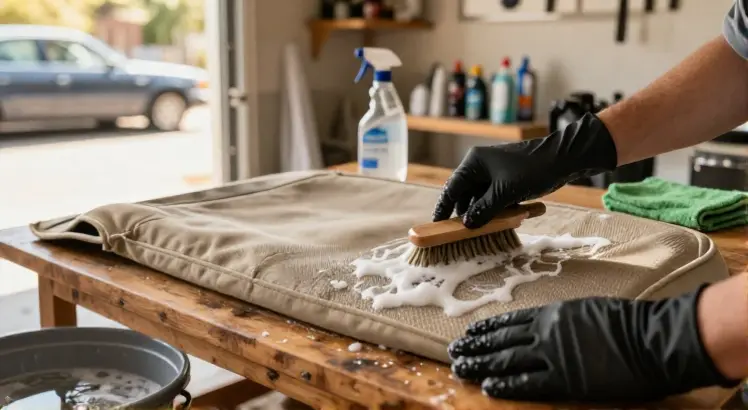
Keeping your car seat covers clean feels like a small task that makes a huge difference. Stains, dirt, and everyday grime build up quickly, especially if you have kids or pets. Knowing how to clean car seat covers properly can extend their life and keep your cabin smelling fresh. This guide walks you through simple, safe methods for every type of cover.
We have tested different cleaning approaches on fabric, leather, and waterproof covers. You do not need expensive tools or harsh chemicals. A little patience and the right technique will restore your seat covers to their former glory. Let us dive into the complete process.
Understanding Your Car Seat Cover Material

CAR PASS Waterproof Car Seat Covers Front Seats
Check PriceBefore you grab a cleaning solution, you must identify what your seat covers are made of. Using the wrong product can cause fading, cracking, or shrinkage. Most covers fall into three categories: fabric, leather, and synthetic materials like neoprene.
Fabric covers, including polyester and canvas, are often machine washable. Leather covers require gentle conditioning and minimal moisture. Neoprene and waterproof seat covers resist liquids but still need regular cleaning to prevent mold. Check the manufacturer’s tag for specific care symbols before starting.
When to Consider Replacing or Upgrading Your Covers
If your covers are torn or permanently stained, cleaning might not be enough. In that case, upgrading to a high-quality set makes sense. Our guide on the best washable car seat covers highlights options that are easy to maintain. Choosing machine-washable covers can save you time and effort down the road.
Pre-Cleaning Preparations

Leader Accessories Black Waterproof Sweat Towel Seat Cover
Check PriceProper preparation prevents damage and ensures a thorough clean. Start by removing the seat covers from your car if possible. Most strap-on or clip-on covers detach in minutes, and taking them off allows you to reach every corner.
Shake the covers vigorously outside to dislodge loose dirt, crumbs, and pet hair. Use a vacuum with a brush attachment to pick up embedded dust. If the covers are non-removable, vacuum the seats thoroughly while they are still installed. This step prevents soil from turning into mud when you apply any liquid cleaner.
- Remove covers according to the manufacturer’s instructions.
- Shake outdoors to release loose debris.
- Vacuum both sides for stuck particles.
- Spot-test any cleaner on a hidden area first.
How to Clean Fabric Seat Covers

Meginc Dog Car Seat Covers for Back Seat
Check PriceFabric seat covers are the most common type, and they respond well to either machine washing or hand washing. The key is using the right temperature and mild detergent. Hot water can shrink the material, so stick to cold or warm settings.
Machine Washing Method
Place the covers inside a mesh laundry bag to protect straps and buckles. Use a gentle cycle with cold water and a small amount of mild liquid detergent. Avoid bleach, which can weaken fibers and cause discoloration. Once the cycle finishes, do not wring the covers aggressively.
Instead, roll them in a dry towel to absorb excess water. Air-dry away from direct sunlight, because high heat can shrink and stiffen the fabric. Many fabric covers can also be tossed in the dryer on a no-heat fluff cycle, but always check the care label first.
Hand Washing Heavy Stains
For covers with caked-on mud or set-in stains, hand washing offers more control. Fill a tub or large sink with lukewarm water and add a capful of mild detergent. Submerge the cover and gently scrub stained areas with a soft brush. A mix of baking soda and water creates a gentle paste that cuts through grime without scratching.
Rinse thoroughly until the water runs clear. Any soapy residue left behind can attract more dirt later. After rinsing, hang the covers over a drying rack or a sturdy line. Flip them halfway through to speed up drying.
How to Clean Leather Seat Covers

CAR PASS Faux Leather Car Seat Covers Front Seats
Check PriceLeather covers demand a completely different approach. Water is not your friend here, and harsh cleaners strip natural oils. True automotive leather usually has a protective coating, but you still need a pH-balanced leather cleaner. Never use dish soap, all-purpose cleaners, or ammonia-based products.
Wipe Down and Conditioning
Start by vacuuming the covers to remove grit that can scratch the surface. Spray a dedicated leather cleaner onto a microfiber cloth, not directly on the cover. Wipe in gentle, circular motions, working on one section at a time. Immediately follow up with a dry microfiber towel to lift dissolved dirt.
After cleaning, apply a leather conditioner to keep the material supple. This step prevents cracking and fading caused by UV exposure. Use a conditioner that does not leave a greasy residue. Buff off any excess with a clean cloth so your seats do not feel slippery.
How to Clean Neoprene or Waterproof Seat Covers
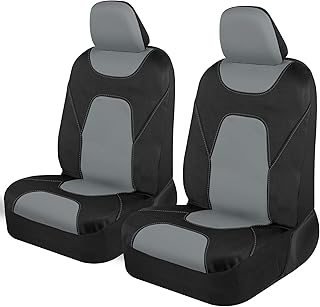
Motor Trend AquaShield Waterproof Front Seat Covers
Check PriceNeoprene and other waterproof covers are popular for their durability, especially for truck owners. These materials repel liquids, but body oils and sweat still accumulate over time. You can hand wash them or use a washing machine on a delicate setting.
If you go the machine route, use cold water and a mild detergent without fabric softener. Fabric softeners can clog the waterproof coating and reduce breathability. Never use hot water, as it can damage the neoprene’s laminated backing. For heavily used covers, rinsing them twice ensures all soap is removed.
For those who need maximum protection, waterproof seat covers for trucks offer rugged durability. These covers handle mud and moisture better than standard fabric, but they still need a regular wipe-down to stay fresh.
Specialized Cleaning: Removing Stubborn Stains and Odors

DryvaSeat Premium Microfiber Towel Car Seat Cover
Check PriceSometimes a basic wash is not enough. Coffee spills, grease marks, and lingering odors need targeted treatment. The good news is you probably already own the most effective solutions. Common household items like vinegar, baking soda, and club soda work wonders.
For protein-based stains like milk or blood, cold water is critical. Hot water can set these stains permanently. Blot the area gently with a mixture of cold water and a drop of mild soap. Rinse with a damp cloth and avoid rubbing, which spreads the stain.
Grease and Oil Stains
Grease stains on fabric covers respond well to cornstarch or baking soda. Sprinkle a generous amount over the spot, let it sit for 15 minutes, then brush it away. The powder absorbs the oil before you apply any liquid cleaner. Follow up with a dab of clear dish soap diluted in water, blotting gently.
Mystery Odors and Pet Smells
Baking soda is your best ally against stubborn smells. After vacuuming, sprinkle a thin layer over the entire cover and let it sit overnight. The soda neutralizes acidic odor particles. Vacuum it thoroughly in the morning. For extra odor-fighting power, mix a few drops of essential oil like lavender into the baking soda before applying.
If you need more detailed stain removal guidance, a reliable upholstery care guide can provide additional safe methods. Always make sure the technique matches your cover’s material.
Drying and Reinstalling Seat Covers
How you dry seat covers matters as much as the washing step. Moisture trapped inside covers can lead to mildew, which produces a strong musty smell. The safest method for all types is air drying in a shaded, well-ventilated area.
For fabric covers, a tumble dryer on no heat may be acceptable, but high heat will shrink them. Leather and neoprene covers should never see a dryer. To speed up air drying, point a fan at the covers or hang them near an open window. Only reinstall the covers when they are completely dry to the touch inside and out.
Maintenance Tips to Keep Covers Cleaner for Longer
Prevention saves you hours of deep cleaning. A quick weekly vacuum removes abrasive dirt that wears down fibers. Consider applying a fabric protector spray after washing to create a stain-resistant barrier. Products suitable for automotive upholstery add an invisible shield without changing the feel.
- Brush off loose dirt before it gets ground in.
- Blot spills immediately with a clean microfiber cloth.
- Keep a pack of seat cover wipes handy for spot cleaning.
- Rotate covers if you have a spare set for even wear.
Leather owners should condition their covers every three months. This routine prevents the material from drying out and cracking under sunlight. For families with young children, a protective seat pad underneath the child seat can catch spills before they reach the cover.
Common Questions About Cleaning Car Seat Covers
Can I put car seat covers in the washing machine?
Yes, most fabric and neoprene covers are machine washable on a gentle cycle with cold water. Always check the care label. Leather covers should never go in a washing machine, as the agitation and water will ruin them.
How often should I clean my car seat covers?
A light cleaning every two weeks is ideal for high-traffic vehicles. A deeper wash every month or two keeps grime from building up. If you transport pets or eat in your car often, you may need to clean them more frequently.
What household products can I use to clean seat covers?
Mild dish soap diluted in water works for fabric and synthetic covers. A mixture of equal parts white vinegar and water helps deodorize and remove light stains. For leather, avoid kitchen products and stick with dedicated pH-neutral leather cleaners.
Will cleaning damage the waterproof coating on my covers?
It will not if you skip fabric softeners and avoid harsh detergents. Use cleaners designed for technical fabrics, and always rinse thoroughly. After several washes, you can reapply a waterproofing spray made for outdoor gear to refresh the coating.
Final Thoughts
Learning how to clean car seat covers correctly protects your investment and keeps your vehicle’s interior looking sharp. The process is straightforward once you match the cleaning method to the material. Always start with the gentlest approach, and increase the intensity only if needed.
With regular maintenance, your covers will resist stains better and smell fresh every time you open the door. Whether you own rugged waterproof covers or soft leather ones, a little consistent care goes a long way. Now that you know the steps, pick a weekend, gather your supplies, and give your seat covers the refresh they deserve.