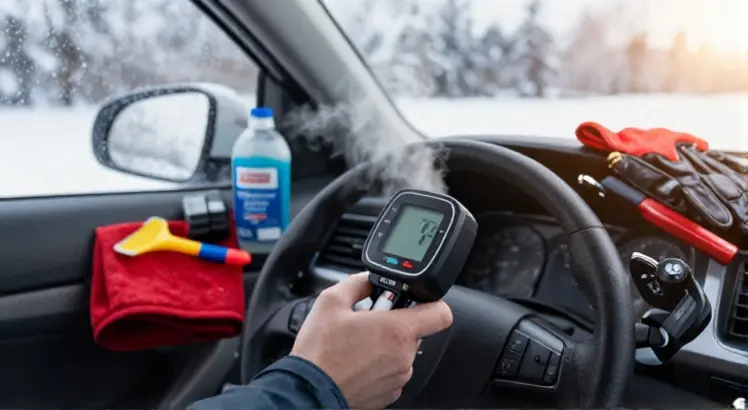
When the temperature drops, your car faces a completely different set of challenges. Freezing mornings, icy roads, and thickened fluids quietly drain performance and safety. Most drivers wait until the first frost to think about preparation, but that is a risky gamble. Learning how to winterize your car early is the single most effective step you can take to avoid breakdowns and costly repairs. This comprehensive guide breaks down every critical system, from the battery to the tires, so you can drive with confidence all season long.
Why Winterizing Your Car Matters
Cold weather is hard on vehicles. Engine oil thickens, battery capacity drops, and rubber components lose flexibility. If you ignore seasonal preparation, a weak battery might leave you stranded on the coldest night of the year. Similarly, worn windshield wipers can turn a light snowfall into a visibility nightmare. A thorough winterization routine does more than prevent inconvenience, it directly protects your safety and your wallet.
Data from roadside assistance providers shows that battery failures and tire issues spike dramatically in winter. The good news is that most of these problems are entirely preventable with a few hours of proactive work. By following the checklist below, you will reduce stress and extend the life of your vehicle’s critical components. Think of winterizing as an investment, not an expense.
Essential Fluids to Check and Replace
Engine Oil Viscosity and Cold Flow

Castrol GTX Full Synthetic 0W-20 Motor Oil, 5 Quarts
Check PriceOil is the lifeblood of your engine, and cold temperatures can turn it into molasses. Using the correct viscosity is non-negotiable for winter driving. Many modern vehicles call for a 0W-20 or 5W-30 full synthetic oil that flows quickly during startup. If you are due for an oil change, consider switching to a synthetic blend or full synthetic formulation that matches your owner’s manual. The faster the oil circulates on a frigid morning, the less wear your engine experiences.
Always check the oil level before a long winter trip. Low oil combined with thick consistency can trigger the oil pressure warning light. A simple dipstick check takes 30 seconds and provides peace of mind. If you are unsure about the proper oil type for cold climates, consult your manual or a trusted mechanic.
Coolant and Antifreeze Protection

Zerex Original Green Low Silicate Concentrate Antifreeze/Coolant 1 GA, 128 Fl Oz (Pack of 2)
Check PriceYour cooling system needs a balanced mix of antifreeze and water to prevent freezing. The ideal ratio is usually 50/50, which protects down to minus 34 degrees Fahrenheit. You can test the mixture with an inexpensive antifreeze tester available at any auto parts store. If the coolant looks rusty or the level is below the minimum line, a full flush and refill will restore proper protection.
Do not overlook the coolant reservoir cap and radiator hoses. Cold makes rubber brittle, so inspect for tiny cracks that could leak under pressure. A failing heater core, indicated by a sweet smell inside the cabin, also drains antifreeze. Addressing these small issues now prevents a freezing engine block, which is a catastrophic repair.
Windshield Washer Fluid and De-Icer

Prestone 2-in-1 All Season Year Round Windshield Washer Fluid 0 Degree (1 Gallon),Orange
Check PriceSummer-grade washer fluid freezes solid on your windshield, instantly ruining visibility. Switch to a winter formula rated for subzero temperatures. Choose a fluid with de-icing properties that can melt light frost and repel road spray. Keep an extra gallon in your trunk, because winter roads consume fluid faster than you expect.
Battery Care and Cold Weather Performance
Car batteries lose about 35% of their strength at 32 degrees Fahrenheit and up to 60% at zero degrees. At the same time, the engine is harder to crank, demanding even more power. This double strain pushes marginal batteries over the edge. The average battery lifespan is three to five years, but a purely calendar-based replacement can be misleading. Have a load test performed at a local parts store to measure actual cold cranking amps, the true indicator of winter readiness.
Inspect the battery terminals for white or bluish corrosion. A solution of baking soda and water applied with a wire brush will clean the connections effectively. Tighten the cable clamps so they do not wiggle. Even a slightly loose connection can mimic a dead battery. If your battery is more than three years old and you drive a vehicle with heavy electrical demands, it may be wise to learn more about when you should replace your car battery before it dies. This proactive step alone could save you from a stressful freeze-out.
For peace of mind during extreme cold snaps, a dedicated maintenance charger makes a real difference. Unlike jump starters that rescue you after failure, a charger keeps the battery at a perfect voltage overnight. You can find reliable options in our detailed review of the best car battery charger for cold weather. Paired with clean terminals and a recent load test, you remove nearly all battery-related winter risk.
Tires: Traction and Pressure for Snow and Ice
Winter Tires vs. All-Season Tires
All-season tires are a compromise. Their rubber compound stiffens below 45 degrees, drastically reducing grip on frosty pavement. True winter tires, or snow tires, use a softer tread compound and deeper siping that maintains flexibility in freezing weather. If you regularly encounter snow, ice, or temperatures below freezing, a set of dedicated winter tires is the single most effective safety upgrade you can make.
Look for the three-peak mountain snowflake symbol on the sidewall. That icon certifies the tire meets severe snow service standards. Even if you own an all-wheel-drive vehicle, AWD helps acceleration but does little for braking or cornering on ice. According to the NHTSA, winter tires can improve braking distance on icy roads by as much as 25% compared to all-season rubber. Those extra feet can mean the difference between a close call and a collision.
Tire Pressure Checks in Cold Weather
For every 10-degree drop in ambient temperature, tire pressure falls by about 1 PSI. Underinflated tires reduce fuel economy and traction, and they overheat on dry patches. Check the pressure at least once a month during winter, always when the tires are cold. The correct pressure recommendation sits on a sticker inside the driver’s door jamb, not the number molded into the tire sidewall.
Do not forget the spare tire. A flat spare in winter is useless when you need it most. Inflate it to the recommended pressure and inspect the jack and lug wrench. A small portable air compressor stored in the trunk can be a lifesaver for gradual pressure loss during a long trip.
Winter Emergency Kit: What to Pack
A well-stocked emergency kit turns a stressful situation into a manageable one. Store these items in a waterproof bin inside the cabin, because accessing a trunk in deep snow can be impossible. The essentials include a flashlight with extra batteries, a fully charged power bank for your phone, a reflective warning triangle, and a first aid kit. Add warm blankets, hand warmers, and a spare set of gloves and hats for every passenger.
Car-specific supplies are equally important. A small folding shovel, a bag of sand or cat litter for traction, and a sturdy ice scraper with a snow brush top the list. Jumper cables must be heavy-gauge and at least 12 feet long. Non-perishable snacks like granola bars and bottled water round out the kit. Replenish the water every few weeks to avoid freezing if the container is not insulated.
Lights, Wipers, and Visibility
Winter driving means shorter daylight hours and frequent precipitation. Every exterior light must work perfectly. Turn on the headlights, high beams, fog lights, brake lights, and turn signals while a helper observes from outside the vehicle. Clouded or yellowed headlight lenses scatter light, dramatically reducing output. A simple restoration kit can restore clarity and dramatically improve nighttime visibility.
Windshield wipers have a tough job scraping ice and slush. Replace them if they leave streaks or make chattering sounds. Winter wiper blades feature a protective rubber boot that prevents ice from clogging the frame. Before parking overnight, lift the wipers away from the glass to prevent freezing. Never use hot water to de-ice a windshield, the thermal shock can crack the glass instantly.
Underbody and Rust Protection
Road salt and liquid brine are effective at melting ice but devastating to your car’s metal. The underbody, brake lines, and wheel wells are especially vulnerable. A thorough pre-winter wash, including an undercarriage spray, removes existing corrosive buildup. Consider applying a wax or oil-based rustproofing treatment to create a barrier against salt. Even a simple spray of fluid film on exposed metal makes a noticeable difference over time.
After a heavy snowstorm, run your vehicle through a touchless car wash that cleans the underside. Avoid washing in extreme cold if you cannot dry the door seals, as frozen doors are frustrating. Silicone spray on rubber door gaskets prevents them from sticking shut on frozen mornings.
Frequently Asked Questions About Winterizing Your Car
How long does it take to winterize a car?
A basic do-it-yourself winterization takes about two to three hours if you check fluids, test the battery, inspect tires, and assemble an emergency kit. If you need professional service like a coolant flush or new tires, budget an extra afternoon.
Can I use summer windshield washer fluid in winter?
Never. Summer fluid lacks antifreeze agents and will freeze into a solid block on your windshield, completely obstructing your view. Always switch to a winter formula with a freezing point well below your region’s lowest temperature.
Is warming up my car before driving necessary?
Modern fuel-injected engines need only about 30 seconds of idle time before gentle driving. Prolonged idling wastes fuel and increases emissions without meaningfully protecting the engine. The fastest way to warm the cabin and engine is to drive softly for the first few miles.
How do I know if my battery is weak before winter?
Slow cranking, dimming interior lights when you start the engine, or a battery that is older than three years are all warning signs. A free load test at an auto parts store measures the actual cold cranking amps and removes all guesswork.
Are all-season tires enough for light snow?
For areas with occasional dustings and consistently cleared roads, all-season tires can suffice if they have adequate tread depth. However, if your region sees ice or compacted snow multiple times per winter, dedicated winter tires provide a significant safety advantage.
Putting It All Together for a Safe Winter Season
Winterizing your car is not a single task, it is a systematic approach to seasonal safety. Start with the fluids and battery because they are the most common failure points. Then move to tires and visibility, which directly affect your control on the road. Finally, pack an emergency kit to prepare for the unexpected. Doing all of this early, ideally in late fall, gives you a stress-free buffer before the first storm hits.
A small investment of time and money now yields months of reliable, confident winter driving. Use this guide as your checklist and tackle one section each weekend. Soon enough, you will have a fully winterized vehicle that handles whatever the season throws at you, and you will join the ranks of drivers who never get caught off guard when the temperature plummets.