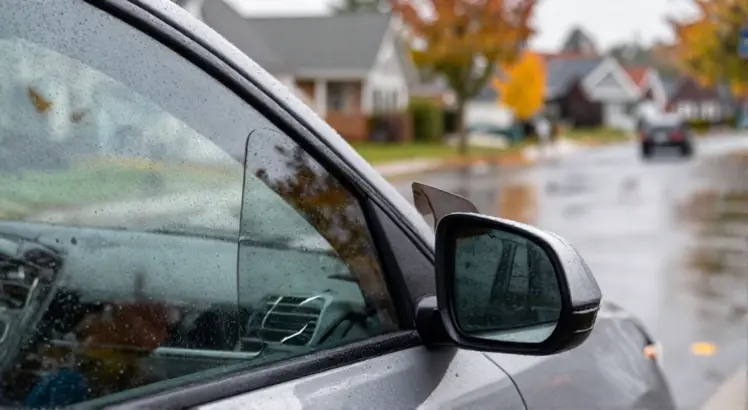
Are side window deflectors worth it? If you have ever cracked your window open during a rainstorm only to get a lap full of water, you have probably considered these slim, plastic shields. Many drivers see them as a simple cosmetic upgrade, but they offer real practical benefits, from reducing wind buffeting to venting hot air while parked. In this guide, we break down the pros, cons, costs, and real-world performance so you can decide if installing a set makes sense for your daily drive.
What Are Side Window Deflectors?

WeatherTech Custom Fit Side Window Deflectors for Ford F-150, F-150 Lightning, F-150 Raptor – (801025IM-81765IM), Dark Tint
Check PriceSide window deflectors, often called rain guards or vent visors, are slim acrylic or polycarbonate pieces that mount along the top edge of your vehicle’s side windows. They create a small canopy that allows you to roll the window down an inch or two while shielding the cabin from rain, snow, and direct wind. The concept has been around for decades, originally popular on pickup trucks and commercial vans, but now widely available for sedans, SUVs, and crossovers.
They come in two primary styles: in-channel deflectors that slide inside the window track, and stick-on or tape-up deflectors that attach to the exterior door frame. Both designs serve the same core function but differ in looks, installation complexity, and long-term durability.
How Do Side Window Deflectors Work?

In-Channel Window Rain Guard for Chevy Trax 2024 2025 2026 Rain Guards Side Window Visors Low Profile Vent Visor Extra Durable Window Deflectors Vent Shades
Check PriceThe science is refreshingly simple. When you lower the window slightly, the deflector redirects airflow up and over the opening instead of letting it blast straight into the cabin. This aerodynamic shaping reduces the thumping, helicopter-like pressure known as wind buffeting, especially at highway speeds. At the same time, any rain hitting the roof line drips away from the glass opening, keeping the interior dry.
This passive weather barrier also means you can drive with the windows cracked open in light rain or drizzle without a single drop making it inside. Even when parked, leaving the windows open a crack behind the deflectors lets hot air escape while camouflaging the gap from prying eyes, adding a subtle layer of security.
The Benefits of Installing Side Window Deflectors

Voron Glass in-Channel Extra Durable Rain Guards for Chevrolet (Chevy) Silverado/GMC Sierra 2500HD/3500HD 2020-2026 Crew Cab, Window Deflectors, Vent Window Visors, 4 Pieces – 200298
Check PriceFresh Air Without the Water
This is the number one reason drivers buy deflectors. Whether you are stuck in a sudden downpour or dealing with constant drizzle, you can enjoy natural ventilation without soaking the door panels, power window switches, or your left arm. Smokers appreciate the ability to flick ash out without rain interference, and those with pets love giving their furry friends a small sniff gap on rainy days.
Reduced Wind Buffeting and Noise
Open a car window at 60 miles per hour and the low-frequency thumping can be unbearable. Deflectors smooth the airflow so the pressure inside the cabin stays more stable. While they do not eliminate all wind noise, they significantly cut down that booming sensation, making long highway trips more pleasant. Many commuters report being able to hold a phone conversation or listen to music at lower volumes with the windows cracked, something nearly impossible without deflectors.
Heat Venting When Parked
On a scorching summer day, a closed car can turn into an oven in minutes. With deflectors installed, you can leave the windows open just enough to let heat escape, yet outsiders cannot easily tell the windows are cracked. This passive cooling reduces the initial blast of heat when you return and puts less strain on your air conditioning system. Some drivers even use this trick to prevent the dreaded new car smell from turning into a stale, baked-plastic odor.
Fog and Condensation Control
Cold mornings often bring misted-up side glass. Cracking a window is the fastest way to defog, but snow or freezing rain makes that a poor choice. Deflectors let you open the window just enough to balance the cabin humidity without letting in moisture, helping clear the glass faster and keeping visibility sharp. This small benefit is a favorite among drivers in humid climates or those who carry wet gear often.
Added Style and Subtle Customization
While looks are subjective, a well-chosen set of tinted or matte black deflectors can give a vehicle a sleeker, more aggressive profile, especially on trucks and SUVs. Low-profile, in-channel designs are nearly invisible when the windows are up, maintaining a clean factory look. Even stick-on versions, when color-matched or smoked, can blend nicely with the B-pillar trim and add a rugged, all-weather vibe.
The Drawbacks and Potential Downsides

Side Car Window Visors Window Shade Vent Deflectors for 99-06 Chevrolet Silverado & GMC Sierra 1500 2500 3500 2500HD Rain Guards, 07 Silverado & Sierra 1500 3500 2500HD, with Extended Cab 94044 4-pc
Check PriceAdded Wind Noise When Windows Are Closed
One common complaint is a slight increase in wind hiss at highway speeds, even with the windows fully shut. The deflector creates a small disruption in the air stream around the A-pillar, which can translate to a subtle whistling or rustling sound. For vehicles with already quiet cabins, this might be more noticeable. It varies greatly by brand and fitment, with precision-engineered models being much quieter than generic universal kits.
Potential Fitment and Peeling Issues
Tape-on deflectors rely on 3M automotive adhesive, which generally holds well for years. However, extreme heat, car washes with high-pressure jets, and improper surface preparation can lead to peeling edges. Once dirt gets under the adhesive, the bond weakens quickly. In-channel deflectors are more secure, but if they are slightly too thick, they can interfere with the window’s pinch sensor, causing the window to bounce back down when you try to auto-roll it up.
Limited Impact on Fuel Economy
Some marketing claims suggest window deflectors improve aerodynamics enough to boost miles per gallon. Real-world testing shows any gain is negligible. The small reduction in open-window drag might net you a fraction of a mile per gallon on long trips, but it is not a reason to buy them. If fuel savings are your goal, simply keeping the windows closed and using the vent fan is far more effective.
Are They Worth It for Your Vehicle?

Out-Channel Window Visors Rain Guards for 2021-2025 Nissan Rogue S SV SL,Side Window Deflectors Vent Visors,No-Drill Weather Protection,Car Accessories-4pcs
Check PriceThe honest answer depends on how you use your vehicle and what climate you live in. For drivers in rainy regions like the Pacific Northwest or UK, the ability to ventilate without water intrusion is a daily game-changer. Smokers, pet owners, and anyone who frequently hauls damp gear will likely find the investment pays off within the first few rainy commutes. If you are mostly a fair-weather driver with a pristine, quiet cabin you do not want to risk, the added noise and minor aesthetic change might not be worth it.
Consider the cost component. A quality set from established brands like WeatherTech, AVS, or EGR typically runs between $50 and $120 for a four-door vehicle. That is a relatively small expense compared to other vehicle accessories. Even if you only appreciate the benefit a handful of times per year, the price of admission is low enough to justify for most practical drivers. If you need a more detailed breakdown of the different styles, a comprehensive guide on Side Window Deflectors covers design differences in depth.
Key Factors to Consider Before Buying
- Material quality. Look for polycarbonate or reinforced acrylic rather than cheap, brittle plastic that fades and cracks in UV light.
- Mounting style. In-channel deflectors look cleaner and require no adhesive on the paint, but they must be perfectly sized. Tape-on models are easier to install and more universal, though they may eventually peel if not installed meticulously.
- Vehicle-specific fit. Generic universal deflectors rarely fit well. Always buy a kit made for your exact year, make, and model to avoid gaps, excessive noise, and window interference.
- Tint and profile. If you have dark window tint, a low-profile smoked deflector blends in nicely. A bulky chrome-accented deflector on a sport sedan might look out of place.
- Car wash compatibility. In-channel designs typically hold up better in automatic car washes. Tape-on units require careful drying and occasional re-pressing of the edges.
Installation Tips and Common Mistakes
Installing side window deflectors does not require a mechanic’s skill set, but a few critical steps separate a clean, lasting job from a crooked, whistling mess. First, thoroughly clean the mounting surface with isopropyl alcohol, whether you are sticking tape on the exterior or inserting an in-channel piece. Any wax, silicone, or dirt will ruin adhesion. For tape-on deflectors, warm the adhesive strip with a hairdryer on a low setting before pressing it firmly into place, this activates the pressure-sensitive glue for a stronger bond.
With in-channel deflectors, test-fit each piece before peeling any protective film. Roll the window up gently to check for binding. If the window motor strains or reverses, the deflector is too thick for the channel and may need gentle sanding or a different brand. Many installers recommend leaving the windows closed for at least 24 hours after installation to let the deflectors settle and the adhesive fully cure. If you are also upgrading other aspects of your cabin comfort, like protecting your truck’s interior with waterproof seat covers, pairing these projects makes sense for a cohesive all-weather setup.
Avoid the temptation to remove the deflectors immediately after a car wash if you see a lifted corner. Instead, gently press it back and apply steady pressure. For stubborn edges, a few seconds with a heat gun or hairdryer can reflow the adhesive. If you want maintenance that pairs well with a clean, easy-to-manage interior, investing in easy-to-clean washable seat covers can keep your cabin fresh even when you regularly drive with the windows cracked.
Frequently Asked Questions
Do side window deflectors really reduce wind buffeting?
Yes, they noticeably reduce the low-frequency thumping you get when one rear window is open. The deflector redirects air so the pressure waves inside the cabin do not build up as aggressively. Many drivers describe the improvement as dramatic, especially at speeds above 45 miles per hour.
Will deflectors damage my car’s paint?
When installed correctly with quality adhesive and removed properly, they should not damage factory paint. The risk of damage comes from ignoring peeling edges that trap dirt and act like sandpaper against the clear coat. If you ever need to remove them, use fishing line and a heat gun to soften the tape, then clean off any residue with a mild adhesive remover.
Can I use automatic car washes with deflectors installed?
Yes, but with caution. In-channel deflectors generally survive brushless or soft-touch washes without issue. Stick-on deflectors can lift at the edges if a high-pressure jet or stiff brush catches them. Hand washing or touchless automatic washes are the safest bet for long-term adhesion.
Are in-channel or tape-on deflectors better?
In-channel designs win on looks and security, since there is no exterior adhesive to degrade. However, they can be trickier to install and may interfere with the window’s auto-reverse function. Tape-on versions are quicker to mount and easier to find, but they may need replacement after a few years if the adhesive fails. Your choice should balance your tolerance for installation fuss against your desire for a seamless appearance.
Do window deflectors really help with smoke extraction?
They help tremendously. Smokers can crack the window open an inch, and the deflector creates a low-pressure zone that pulls smoke out of the cabin while blocking rain. It also prevents the ash from blowing back in, keeping the interior cleaner. This is one of the oldest and most practical use cases for deflectors.
Final Verdict on Side Window Deflectors
So, are side window deflectors worth it? For the vast majority of drivers who face rainy weather, muggy commutes, or just enjoy fresh air without the roar, the answer is a confident yes. The benefits are tangible: less buffeting, dry interiors, fog-free windows, and a cooler parked car, all for roughly the cost of a full tank of gas. The potential downsides, like slight wind hiss or eventual adhesive wear, are manageable with a quality brand and proper installation.
If you are still on the fence, start by asking how often you crack a window in cool or wet conditions. If the answer is often, but I hate the mess, a set of deflectors will likely become one of those small upgrades you quickly wonder how you lived without. Stick to a vehicle-specific model, take your time with the prep, and you will enjoy a more comfortable, versatile cabin for years to come.