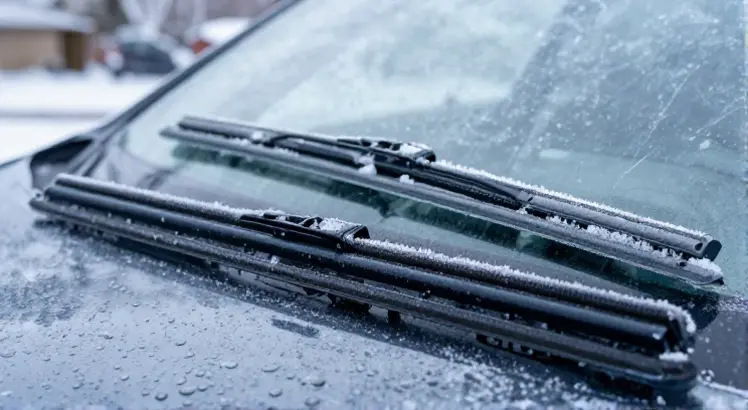
When snow piles on your windshield, the choice between winter wiper blades vs regular blades can mean the difference between a clear view and a dangerous drive. Many car owners grab the cheapest option not realizing that standard blades are not built for freezing conditions. I’ve tested both types through harsh winters and learned exactly why dedicated winter blades are worth the investment. According to the winter driving preparedness guide from NHTSA, visibility is your first line of defense in bad weather.
In this guide, I’ll break down how winter and regular wiper blades are built, how they perform in extreme cold, and whether you should make the switch. You’ll also find links to our top-rated winter wiper picks and practical tips for keeping your windshield clear all season long.
What Are Regular Wiper Blades?

AUTOBOO 26″ and 16″ Windshield Wipers Blades (Pack Of 2)
Check PriceRegular wiper blades, often called conventional or all-season blades, are what most vehicles leave the factory with. They feature a metal frame with multiple pressure points that hold a rubber wiping edge against the glass. The exposed joints and hinges allow the blade to flex and follow the windshield curve, but this design becomes a weakness when temperatures drop.
Construction and Materials
A standard blade consists of a painted metal superstructure with four to eight claws that grip a narrow rubber element. The rubber is a blended compound optimized for moderate temperatures, light rain, and occasional dirt. While perfectly adequate for spring and summer driving, the materials struggle once the mercury falls below freezing.
Why Regular Blades Fail in Winter
- The exposed metal frame acts like a magnet for ice buildup. Snow packs into the hinge points, locking the blade in one rigid position and causing streaks.
- The standard rubber compound hardens in cold weather, losing flexibility and creating chatter or skipping across the glass.
- Water and slush freeze on the metal arms, adding weight and reducing the spring tension that keeps the blade in contact with the windshield.
I learned this the hard way during a surprise ice storm when a conventional blade froze solid and left a six-inch streak right at eye level. That experience alone made me realize the winter wiper blades vs regular debate is not just marketing, it is a safety essential.
What Are Winter Wiper Blades?

BOSCH 22A22B ICON Beam Wiper Blades – Set of 2 Blades (22A & 22B)
Check PriceWinter wiper blades are engineered specifically to defeat freezing rain, snow, and slush. Instead of a multi-joint metal frame, they use a one-piece beam design wrapped in a thick rubber boot. This seamless exterior prevents ice from finding a foothold and keeps the internal spring steel protected from corrosion.
The Protective Rubber Boot
The game changer is the seamless rubber shell that encases the entire blade frame. Water and snow simply slide off instead of packing into crevices. Even when the car sits overnight in a snowbank, you will rarely find a winter blade frozen stiff. That boot also hides the metal components, so you never have to chip ice out of hinge points.
Beam Blade Technology and Aerodynamics
Most winter blades adopt a beam-style architecture. A single curved spring steel strip distributes even pressure across the entire length of the blade. This creates a lower profile that hugs the windshield more tightly and cuts through wind at highway speeds. The result is quiet, chatter-free wiping even in gusty winter storms.
Many premium winter blades also use a silicone-infused rubber compound that remains pliable down to -40 degrees Fahrenheit. We have found that silicone wiper blades perform exceptionally well in these punishing conditions, resisting cracking far longer than conventional rubber.
Winter Wiper Blades vs Regular: 5 Critical Differences

PEAK Snow Beast Winter Windshield Wiper Blade, 22-inch
Check Price- Ice and snow shedding: Winter blades have a sealed rubber boot that sheds frozen slush, while regular blades collect ice in their metal joints until they become useless.
- Blade frame exposure: Conventional blades leave hinges and claws fully open to the elements. Winter blades hide all moving parts under a smooth, water-repellent cover.
- Rubber compound flexibility: Standard rubber stiffens around 20 degrees Fahrenheit. Winter-specific compounds, often silicone-enhanced, stay soft and grippy well below zero.
- Wind lift and noise: The low-profile beam design of winter blades reduces wind noise and prevents the blade from lifting off the glass at highway speeds, a common issue with traditional frames.
- Durability under winter stress: Regular blades wear out faster when scraping over gritty snow. Winter blades resist tearing and maintain a clean wipe throughout the season.
These differences explain why the winter wiper blades vs regular conversation always ends with a clear winner once you face regular snowfall. The extra few dollars you spend on a winter pair translate directly into safer commuting.
When Should You Switch to Winter Wiper Blades?
Timing the swap is just as important as choosing the right blade. The best rule is to install winter blades when average daily temperatures dip below 40 degrees Fahrenheit consistently. That is typically a few weeks before the first expected frost or snowfall. Waiting until you are scraping ice in a parking lot is a recipe for frustration.
For drivers in regions like the Upper Midwest or Canada, I recommend making the switch by mid-October. In milder climates that still see occasional ice storms, November is usually safe. Mark your calendar, and keep a spare set of summer blades in the garage so you can reverse the process when spring arrives.
Pros and Cons of Winter Wiper Blades

Rain-X 820147 WeatherBeater, 26″ and 16″ Windshield Wiper Blades – Pack of 2
Check PriceNo product is perfect. Understanding the tradeoffs helps you decide if winter wiper blades vs regular blades are the right long-term solution for your driving environment.
Pros of Winter Wiper Blades
- Superior ice and snow removal without clogging.
- Quiet operation and reduced wind chatter on the highway.
- Longer lifespan during harsh winter months.
- Flexible silicone-blended rubber that resists freezing.
Cons of Winter Wiper Blades
- Higher upfront cost compared to economy conventional blades.
- The soft winter rubber compound may wear faster under hot summer sun.
- Some heavy-duty boots can look bulky on smaller windshields.
- Limited availability in uncommon sizes at local stores.
Despite these cons, the safety advantage during freezing rain and heavy snow outweighs the minor inconveniences. I personally run winter blades from November through March and switch back to a good all-season beam blade for the warmer months.
Installation Tips and Seasonal Maintenance

TRICO Chill 37-160 Extreme Weather Automotive Replacement Wiper Blade for Winter – 16″
Check PriceInstalling winter wiper blades is a five-minute job that requires no tools. Simply lift the wiper arm away from the windshield, press the release tab on the old blade, and slide it off. Click the new winter blade onto the hook or pin adapter until you hear a solid snap. Always test the connection by gently tugging before you lower the arm back to the glass.
To get the most out of your investment, pair winter blades with a freeze-resistant windshield washer fluid. Standard fluid can gel in the lines and leave a smeary film. Top off the reservoir with a winter formula rated for at least -20 degrees Fahrenheit. Also, lift your wiper arms away from the glass when parking overnight to prevent them from freezing to the windshield.
Wipe the rubber edge with a damp cloth every two weeks. Road salt and grit embed in the squiggly, causing micro-tears that lead to streaking. A quick cleaning restores a crisp, clear wipe and extends blade life by several months.
Frequently Asked Questions

AUTOBOO 26″+16″ Windshield Wipers with 12″ Rear Wiper Blade Sets for Subaru Crosstrek
Check PriceCan I use winter wiper blades in the summer?
Technically yes, but the same soft rubber that resists freezing can break down faster under intense summer UV rays and heat. If you keep them on year-round, expect to replace them sooner than a dedicated summer blade. Swapping seasonally gives you the best performance and durability from each set.
Do I need special washer fluid with winter wiper blades?
Absolutely. Winter blades cannot compensate for a fluid that freezes inside the washer lines or turns to slush on the windshield. Use a de-icing washer fluid rated for sub-zero temperatures to lubricate the blade and flush away road salt before it etches the glass.
Are all beam blades winter blades?
No. While virtually all winter blades use a beam design, not every beam blade is winter-rated. A standard all-season beam blade may lack the full rubber boot and may use a rubber compound that stiffens in extreme cold. Always check for the winter or extreme weather label on the packaging.
How long do winter wiper blades last?
When used only during cold-weather months, a quality pair of winter blades typically lasts two to three seasons. If you keep them on year-round, expect to replace them every six to twelve months depending on sun exposure and road grime. Regular cleaning will keep them working like new.
Can I install winter wiper blades myself?
Yes, it is one of the easiest DIY car maintenance tasks. Most winter blades come with multi-fit adapters that click onto the wiper arm in seconds. If you have ever changed a wiper blade, you already have the skills. Just follow the included instructions for your specific adapter type.
Conclusion
The winter wiper blades vs regular debate comes down to safety and peace of mind. Regular blades work fine until the temperature plummets and ice takes over, while winter blades laugh at frozen slush and keep your windshield crystal clear when you need it most. The sealed boot, cold-resistant rubber, and aerodynamic beam design solve every weak point of a traditional blade.
If you face any form of freezing weather, switching to a dedicated winter set is one of the easiest steps you can take to protect yourself on the road. Take ten minutes today, pop on a pair of winter wipers, and enjoy a streak-free view no matter what the forecast throws at you.