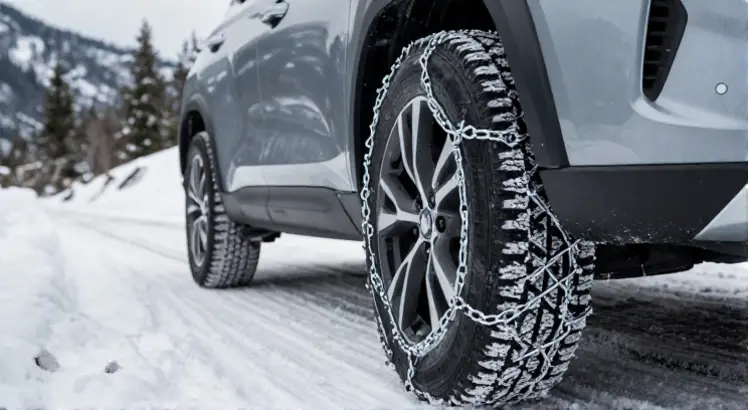
When winter roads turn slick with ice and packed snow, standard tires often fall short. Two popular traction aids can save the day: snow socks and tire chains. The snow socks vs chains debate divides drivers every season. Some swear by the lightweight convenience of textile socks, while others trust the rugged bite of metal chains. Choosing the wrong option can mean getting stuck, damaging your vehicle, or even facing a ticket. This guide breaks down everything you need to know, from performance and legality to fitment and cost.
I have spent years testing winter driving gear on mountain passes and icy driveways. My goal is to give you a clear, unbiased comparison so you can drive confidently no matter what Mother Nature throws at you. Let’s dig into the details.
Understanding Snow Socks and Tire Chains
Before jumping into the comparison, you need a solid grasp of what each device actually is. They work on completely different principles, and that alone dictates much of the snow socks vs chains outcome.
What Are Snow Socks?

AutoSock for Passenger Vehicles HP697
Check PriceSnow socks are high-strength textile covers that slip over your drive tires. They are made from synthetic fabrics like polyester and polyamide, often with a special textured coating. The fabric creates a high-friction layer between your tire and the snow or ice, using microfibers to grip the surface. Unlike chains, they do not dig into the road. They rely on mechanical adhesion and dryness, performing best on snow and slush.
Snow socks are incredibly light, typically weighing less than two pounds per pair. They fold into a compact carry bag that takes up almost no trunk space. Installation is famously fast: you simply stretch the sock over the top of the tire, roll the car forward a few inches, and finish pulling it on. Many drivers can install a pair in under five minutes without ever getting their knees dirty. For a rundown of top-performing fabric devices, see our review of the best snow socks for tires.
What Are Tire Chains?

Snow Chains for Car Tires, 35s Quick Fit & Auto-Tightening, Universal Emergency Anti-Slip Tire Traction Chains for Cars, SUVs & Trucks, Reusable Portable Set of 2 (HKN-120)
Check PriceTire chains are exactly what they sound like: linked metal chains arranged in a ladder, diamond, or cable pattern that wraps around the tire tread. The steel links bite into packed snow and ice, providing aggressive mechanical traction. Chains are the traditional heavy hitter for severe winter conditions, and in many mountainous regions they are still the legal requirement during chain control checks.
Chains are heavier, bulkier, and demand more effort to install. You must drape them over the tire, connect links behind the wheel, and often drive forward to tighten them properly. The process can be messy and physically demanding, especially in a blizzard. Nevertheless, their sheer gripping power is unmatched on solid ice and steep grades. If you want to explore metal options in depth, check our guide to the best snow chains for car tires.
Snow Socks vs Chains: Key Differences at a Glance
- Material: Textile fabric versus steel links
- Weight: About 1.5 lbs per pair for socks, 10 to 15 lbs for chains
- Installation speed: Under 5 minutes for socks, 15 to 25 minutes for chains
- Ride comfort: Near-silent and smooth with socks, rough and noisy with chains
- Top speed: Typically 30 mph for socks, 25 to 30 mph for chains
- Best surface: Snow and slush for socks, hardpack snow and ice for chains
- Vehicle clearance needed: Minimal for socks, substantial for chains
- Durability: Lower for socks, higher for chains if properly maintained
Performance and Traction on Snow and Ice
When you are stuck on a steep, icy hill, pure grip is all that matters. This is where the snow socks vs chains comparison gets intense. Both can get you moving, but they excel in different scenarios.
Snow Socks Performance

K&K Auto Pro Series Snow Socks XL
Check PriceOn fresh snow, packed powder, and slush, snow socks perform remarkably well. The fabric’s high-friction fibers grip almost instantly, reducing wheel spin. In independent tests, some high-end snow socks can deliver stopping distances on snow that rival or even beat basic cable chains. They also offer a predictable, linear feel. The car does not lurch or vibrate, so you maintain steering precision.
However, on sheer ice or icy hardpack, snow socks can struggle. Without metal edges to dig in, the fabric relies on surface friction, which drops when a thin water layer forms on ice. They also wear quickly on dry pavement. If you hit a patch of bare asphalt, you can destroy a sock in a few miles. This is why snow socks are often considered an emergency or occasional-use solution rather than a hammer for daily severe ice.
Chains Performance

SCC 0232805 Auto-Trac Light Truck/SUV Tire Traction Chain – Set of 2
Check PriceChains deliver brutal, no-nonsense traction. The steel links claw into solid ice and hardpack, generating immense forward bite. On unplowed backroads or steep mountain grades, chains can keep you moving when nothing else works. They also provide strong lateral grip, which helps prevent sideways sliding on off-camber roads.
The trade-off is comfort and finesse. Chains create a rough, bumpy ride that can rattle your fillings. They also generate significant vibration, which can wear on suspension components if used for long stretches. Additionally, chains may have less grip on deep, dry powder snow compared to socks because they compact the snow rather than floating over it with a high-friction surface.
Installation and Ease of Use
A traction device is only as good as your ability to put it on in a storm. Here, the snow socks vs chains difference is night and day.
Snow socks are the clear winner for quick, fumble-free installation. You do not need to reach behind the wheel or fiddle with rubber tensioners. Simply stretch the sock over the top half of the tire, pull the vehicle forward, and complete the fit. No special gloves are needed. This ease of use makes socks appealing to older drivers, those with limited physical strength, or anyone who hates kneeling in slush.
Chains demand practice and patience. Even seasoned users can take 15 minutes on a good day. You have to lay the chains flat, drive onto them, connect the inner fasteners, and then secure the outer cams or chains. Cross-links can become tangled, and frozen fingers make the job much harder. If you choose chains, do a dry run in your driveway before winter hits. It will save you serious frustration later.
Vehicle Compatibility and Clearance
Many modern cars, crossovers, and sport sedans have tight wheel wells with limited clearance. Owners’ manuals for some vehicles explicitly warn against using tire chains because the metal can strike brake lines, suspension components, or bodywork. This is a critical advantage for snow socks.
Snow socks are thin, adding only a few millimeters of bulk. They can safely fit vehicles with performance tires and minimal clearance. In fact, the original snow sock was developed specifically for cars that could not accept chains. Always check your manual, but if it says no chains allowed, snow socks are often the only legal and safe alternative. Chains require generous clearance, usually at least 10 mm on all sides. Even low-profile cable chains need room. If you hear banging or scraping, stop immediately to avoid costly damage.
Road Legality and Regulations
Legislation is a huge factor in the snow socks vs chains decision. In many U.S. states and European alpine regions, tire chains are the legally defined traction device for chain control. Snow socks may not satisfy the letter of the law when chains required signs are flashing. In California, for example, chain control checkpoints generally require metal chains unless you have a four-wheel or all-wheel-drive vehicle with snow-rated tires, and even then you must carry chains. Snow socks are not yet universally accepted as a substitute.
However, laws are evolving. Several states, including Colorado and Washington, allow alternative traction devices like snow socks under certain conditions. Always verify the rules for the specific mountain passes you travel. The California chain control requirements provide a good example of how strict some regions can be. For winter driving laws beyond chain rules, check the AAA winter driving preparedness guide for comprehensive safety advice. If you plan to cross high passes regularly, carrying a set of chains as a backup is wise, even if you intend to use socks.
Durability and Lifespan
If you drive through harsh winter conditions every week, longevity matters. Chains, when used correctly, can last multiple seasons. They require occasional cleaning and rust prevention, but a quality set of diamond-pattern chains can handle hundreds of miles on snow and ice. However, driving on dry pavement quickly grinds down links and can snap cross-chains.
Snow socks are wear items. They are not designed for frequent bare-road use. A single mile of dry asphalt can ruin a sock. Even on continuous snow, the fabric gradually degrades. Most manufacturers suggest replacing socks after roughly 60 miles of total use, though some premium models last longer. For the occasional skier or mountain commuter, this is often enough for an entire winter of sporadic use. But for commercial drivers or frequent mountain travelers, socks may become an expensive, short-lived solution.
Cost Comparison
Cost is not simply the price tag, it is the value over time. A name-brand pair of snow socks typically costs between $80 and $120. High-quality chains run from $60 for basic ladder cables to over $150 for premium diamond chains. So initial purchase prices overlap significantly.
The real difference emerges in replacement costs. Chains last longer if you treat them well. Socks wear out faster, especially if you encounter dry patches. On a per-winter basis, a frequent user might replace socks every year, while chains might go three to five years. If you drive only a few snowy days a year, the convenience premium of socks can easily justify the price. If you are a ski patroller who drives icy roads daily, chains provide better long-term economy.
When to Choose Snow Socks

Goodyear Pro Snow Socks 3XL
Check PricePick snow socks if your driving profile matches any of these scenarios. You drive a car with tight wheel clearance that cannot accept chains. You need a compact emergency backup that lives in the trunk and deploys in minutes. You face sudden, unexpected snow on a commute over a moderate pass. You value ride comfort and do not want the jarring vibration of metal links. You travel where local laws recognize textile devices as acceptable traction aids.
Snow socks also shine for drivers who cannot physically kneel and wrestle with chains. If you have a disability or mobility concern, socks can restore winter mobility that chains might deny. Just remember, keep a close eye on wear and never use them on bare pavement.
When to Choose Chains

Snow Chains for Car Tires Manual Tightening, Universal Adjustable Emergency Portable Tire Chains, Suitable for Commuter Car and SUV, Set of 2
Check PriceChoose chains when maximum grip is non-negotiable. If you live in an area with frequent black ice, steep grades, or heavy wet snow that freezes solid, metal chains are the proven answer. They also satisfy legal mandates at strict chain control stations. For commercial vehicles, trucks, or SUVs that routinely haul loads over mountain passes, the durability and sheer traction of chains often outweigh the installation hassles.
Chains remain the safer bet if your winter driving involves long distances on unmaintained roads. You can drive them farther on continuous snow without the rapid degradation that socks suffer. Just be prepared for the noise and the workout during installation. Practicing a few times on a sunny afternoon makes a world of difference.
Frequently Asked Questions
Can I use snow socks on ice?
Snow socks provide moderate traction on ice, but they are not as effective as chains. The fabric relies on friction, and a thin water layer on ice reduces grip. If you regularly encounter polished ice, chains are the safer choice.
Are snow socks legal in all states?
No. Some states specifically require metal chains during severe weather events. Others accept alternative traction devices like snow socks. Always check the regulations for your route before relying solely on socks.
Do I need to put snow socks on all four tires?
For front-wheel-drive vehicles, socks on the drive wheels are usually sufficient. All-wheel-drive vehicles may perform better with socks on all four corners, but fitting only the drive wheels often provides enough traction. Follow the manufacturer’s recommendation.
Can I drive fast with chains or socks?
No. Both devices have speed limits, typically 25 to 30 mph. Exceeding the limit can damage the device, your vehicle, and increase the risk of losing control. Always stay within the manufacturer’s rated speed.
Which is easier to install, snow socks or chains?
Snow socks are significantly easier. Most people can install them in under five minutes without tools. Chains require more effort, practice, and often force you to kneel on the ground to secure the inner connections.
Will snow socks damage my tires?
When used correctly on snow and ice, snow socks do not damage tires. Driving them on dry pavement, spinning wheels excessively, or exceeding speed limits can cause rapid wear and may overheat the fabric, which could mark the tire.
Conclusion
The snow socks vs chains decision boils down to your vehicle, your typical winter terrain, and how much effort you are willing to invest. Snow socks offer unmatched ease of use, smooth ride quality, and a lifeline for cars with tight clearance. Chains deliver the raw, unapologetic grip needed for the worst ice and steepest passes, and they often satisfy the strictest legal requirements.
For the casual winter driver who wants a simple, compact backup, snow socks are a brilliant modern solution. For the mountain regular facing severe conditions, chains remain the gold standard. Whichever you choose, practice installing it before the first storm hits, and always carry a set in your vehicle when winter weather threatens. Safe travels, and may your winter drives be drama-free.