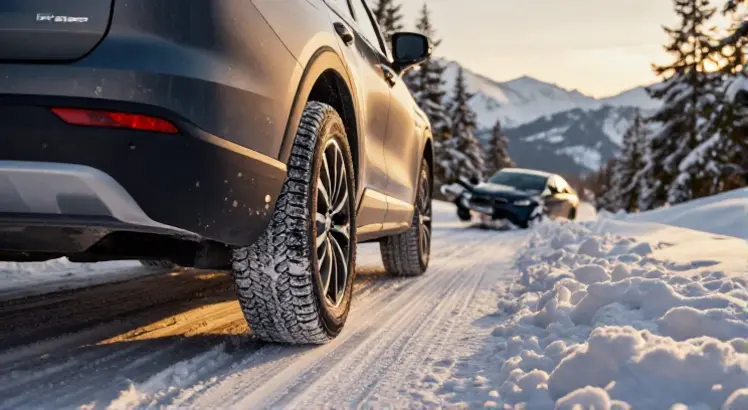
Every year, as the temperature drops and the first snowflakes fall, drivers face a familiar dilemma. You stare at your all-season tires and wonder if they can handle icy roads and deep snow. The question that always comes up is simple: are winter tires worth it? It’s a fair question, considering the cost of a second set of rubber, the hassle of seasonal swaps, and the storage space they demand.
Most people think all-season tires are good enough for everything, including light winter conditions. But modern tire technology is far more specialized than you might imagine. We’ll break down the real differences, the hidden costs of skipping winter rubber, and the safety data that can help you make a confident decision for your specific driving needs.
How Winter Tires Differ From All-Season and Summer Tires

Lexani Quattro Tempo Tour AW All Weather P225/50R17 98V Passenger Tire
Check PriceUnderstanding the technology behind winter tires is key to the are winter tires worth it debate. These tires are not just all-season tires with more aggressive tread. They are engineered from the ground up to stay flexible and grippy when the mercury plunges.
The rubber compound in a winter tire contains more silica and specialized polymers. This keeps the tread pliable even at temperatures below 45°F (7°C). All-season tires begin to harden and lose grip at these temperatures, even on dry pavement. The tread design on winter tires features thousands of tiny slits called sipes that bite into snow and ice, while deep grooves channel slush away.
Summer tires, which focus on high-performance dry and wet grip in warm weather, become dangerously stiff and brittle in freezing conditions. If you live in a region with consistent cold weather, using summer tires in winter is simply unsafe. All-season tires try to balance everything, but they compromise heavily on ice and deep snow traction.
The Chemistry of Cold Weather Grip

Eternopresa 225/60R17 99V Tire
Check PriceWhen temperatures drop below 45°F, the tread compound of an all-season tire undergoes a glass transition. It becomes more like a hard plastic than soft rubber. Winter tires delay this transition, staying soft and sticky. That extra pliability means your braking distances shorten dramatically on cold, dry roads, not just on snow. In fact, tests show that even on bare pavement in freezing weather, winter tires stop shorter than all-seasons.
This chemistry matters because accidents are often caused by the unexpected loss of grip on a cold morning. The compound also wears faster in warm weather, which is why you should never run winter tires year-round. The special rubber is designed for a specific temperature window, and using it outside that window reduces its effectiveness and longevity.
The True Cost of Winter Tires Versus Potential Accidents

Firestone Winterforce 2 Winter/Snow Passenger Tire 205/60R16 92 S
Check PriceMost drivers focus on the upfront price tag, but the real question is what you risk by not having them. A set of four winter tires mounted on cheap steel wheels typically costs between $600 and $1,200, depending on your vehicle and tire brand. That’s a significant expense, but you need to compare it to the cost of a single collision.
Even a minor fender bender can exceed your deductible, raise your insurance rates, and leave you with a repair bill over $2,000. Severe accidents bring medical bills, lost wages, and long-term consequences. According to independent testing by Tire Rack, winter tires can reduce braking distances on ice by up to 30% compared to all-season tires. That difference is often the margin between a close call and a crash.
Extending the Life of Your All-Season Tires
Lexani Quattro Tempo Tour AW All Weather P215/65R16 98H Passenger Tire
Check PriceWhen you swap to winter tires for a few months each year, your all-season or summer tires get a break. They sit idle, not accumulating miles. Over the course of several years, you essentially split the wear between two sets. The initial investment is higher, but both sets last longer and you always have the correct rubber for the conditions.
Many insurance companies recognize the safety value of winter tires and offer a discount on your premium. This can offset the cost over time. Check with your provider, you might find that the annual savings make the upgrade even more financially logical. Factor in that you might avoid a single at-fault accident, and the financial argument for winter tires becomes very strong.
Comparing Winter Tires, All-Weather Tires, and Snow Chains

Falken Ziex ZE950 All-Season Radial Tire – 185/55R16 83H
Check PriceSome drivers try to find a middle ground with all-weather tires, which carry the Three-Peak Mountain Snowflake (3PMSF) symbol. These are a step above all-season tires and can handle light snow. However, they still do not match the ice braking and deep snow traction of a dedicated winter tire. They are a compromise for regions with mild, occasional snowfall.
Snow chains and socks offer supplemental traction for extreme situations but are not a daily solution. You cannot drive at highway speeds with chains, and they can damage your vehicle and roads if used incorrectly. For consistent winter driving, a set of winter tires is the practical, hassle-free solution. They work instantly, no installation required every time conditions change.
When You Can Skip Winter Tires
If you live in a region where winter temperatures rarely stay below 45°F, and snow is a once-a-year novelty, winter tires may be overkill. In that scenario, a high-quality set of all-season tires, perhaps with the 3PMSF rating, will serve you well. For everyone else who faces regular freezing mornings, black ice, or plowed but still slippery roads, the answer to are winter tires worth it is a firm yes.
It also depends on your driving habits. If you can absolutely avoid driving when snow is on the ground and only use your car on clear, dry winter days, you might manage without them. But for those who must commute, have a job that requires reliable transportation, or drive children, the safety margin is invaluable.
Winter Tire Performance on Ice, Snow, and Cold Dry Roads
Testing data repeatedly proves that winter tires outclass all-season tires in every cold-weather metric. On packed snow, a vehicle with winter tires can stop up to 50% shorter from 30 mph. That is the length of a school bus, more than enough to prevent a tragic rear-end collision.
Cornering grip on ice is dramatically improved thanks to the specialized siping and compound. When you lose traction in a curve, the vehicle slides sideways, and recovery is much harder without tires that can bite back. Winter tires keep you connected to the road, allowing your stability control and ABS to work effectively. They are a fundamental part of your car’s safety system.
Braking Distances on Black Ice
Black ice is the most treacherous winter driving hazard because it is nearly invisible. All-season tires often skate right over it with little resistance. Winter tires use a combination of high-density siping and bite particles, some manufacturers even use crushed walnut shells, to claw into the ice. The difference in stopping distance can be over 40 feet, which is often the entire gap between you and the car ahead.
This performance alone answers the question for many: the cost of winter tires pales in comparison to the aftermath of an ice-related crash. The confidence they inspire also reduces driver fatigue and stress, which itself contributes to safer driving. If you need help picking the right set, our guide on the best winter tires for cars can steer you toward top-rated models.
Selecting the Right Winter Tire for Your Vehicle

HANKOOK Winter ipike X W429 205/65R15 94T
Check PriceNot all winter tires are the same. You’ll find performance winter tires for sporty cars that prioritize handling on cold dry roads with acceptable snow traction. There are studless ice and snow tires, the most common category, which excel on ice and deep snow while maintaining good road manners. Studded tires offer maximum ice grip but are restricted in many states because of road damage.
For SUVs and crossovers, dedicated winter tires for light trucks provide the load capacity and tread design needed. Some drivers wonder if all-season tires with the 3PMSF symbol are a smart shortcut; however, our breakdown of the best all-season winter tire options shows where they excel and where they fall short. Typically, they are a compromise for those who face only occasional snow.
Proper Storage and Maintenance
To maximize your investment, you must store your off-season tires correctly. Keep them in a cool, dry place away from direct sunlight and ozone-producing electric motors. Stack them horizontally or hang them on a tire rack if mounted, but avoid hanging unmounted tires on hooks. Maintaining proper inflation pressure during storage is also critical because tires can lose air when temperatures plummet.
When you install your winter tires, always mount a complete set of four. Mixing winter and all-season tires creates a dangerous handling imbalance. Your vehicle relies on consistent grip at all four corners, and mismatched tires can cause unexpected spin-outs, especially in curves. The small savings of buying only two tires is never worth the risk.
Common Myths About Winter Tires Debunked
Misinformation leads many drivers to think winter tires are unnecessary. One myth says that all-wheel drive or four-wheel drive eliminates the need for winter tires. In reality, AWD helps you accelerate but does nothing to improve braking or cornering grip. Your tires are the only component touching the road, and if they can’t find traction, your drivetrain is irrelevant.
Another myth is that winter tires are only useful in deep snow. As we’ve covered, the compound advantage starts at 45°F, well above freezing. Even in dry conditions, the softer rubber provides better braking and handling when it’s cold. Waiting until the first significant snowfall to swap is one of the biggest mistakes drivers make, because those frosty mornings before the storm are when black ice forms.
Are Winter Tires Noisy and Uncomfortable?
Modern winter tires have come a long way in refinement. While they may produce a slight hum on dry pavement due to the aggressive tread pattern, most drivers find the noise is barely noticeable in the cabin. The ride quality remains compliant, and many premium winter tires are designed to feel nearly as smooth as touring all-season tires. The trade-off in comfort is minimal compared to the safety gain.
Frequently Asked Questions
Do I really need winter tires if I have all-wheel drive?
Yes. All-wheel drive helps with forward momentum but cannot improve lateral grip or reduce stopping distances. Without winter tires, your AWD vehicle will still slide in corners and struggle to stop on ice. The extra confidence AWD provides often leads drivers to overestimate their traction, making winter tires an even more critical safety net.
Can I use winter tires year-round to save money?
You can, but you should not. The soft compound wears extremely fast on warm pavement, and you’ll need to replace them frequently. Wet and dry braking in summer conditions is significantly worse than all-season tires, making your vehicle less safe in warm weather. The cost of accelerated wear makes year-round use more expensive in the long run.
How many seasons do winter tires last?
Most winter tires last between three and five seasons, depending on your driving style, mileage, and road conditions. Check tread depth regularly; winter tires should be replaced when they reach 5/32 of an inch, well before the legal wear bar of 2/32 inch, because their snow and ice capability diminishes as the tread shallows. Proper rotation and off-season storage extend their life.
Conclusion: Are Winter Tires Worth It for You?
When you weigh the initial outlay against the dramatic safety improvements, the answer to are winter tires worth it becomes clear for most drivers who face cold, icy, or snowy conditions. They provide a margin of safety that all-season tires simply cannot match, reducing stopping distances and improving stability when you need it most.
Beyond safety, they can be a smart financial move when you factor in insurance discounts and the extended life of your summer or all-season tires. The peace of mind alone is invaluable, especially if you carry precious cargo like family or rely on your vehicle daily. Invest in a quality set, pair them with a second set of wheels for easy swaps, and drive with confidence all winter long. Your future self will thank you the first time you avoid a close call on a frozen road.