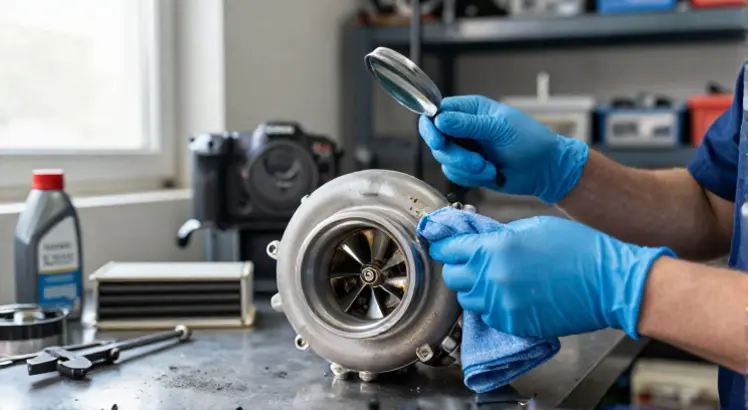
Turbocharged engines deliver thrilling power and fuel efficiency, but they demand more care than a naturally aspirated motor. If you ignore the early warning signs, a tiny oil leak can turn into a blown turbo, leaving you stranded with a repair bill that stings. Learning how to prevent turbo engine failure is not just for mechanics, it is survival knowledge for anyone who drives a modern car, truck, or SUV.
In this guide, we skip the fluff and give you practical, experience-backed steps to keep your turbocharger spinning happily for years. You will learn why turbos fail, how to pick the right oil, and the daily habits that can double the life of your forced induction system.
Why Do Turbochargers Fail?
A turbocharger is a precision component, spinning at speeds that can exceed 280,000 rpm. It endures extreme heat and relies on a hair-thin film of oil to separate metal parts. When that protection breaks down, failure happens fast. Understanding these root causes puts you in the driver’s seat for prevention.
Oil Starvation and Contamination
Dirty, low, or degraded oil is the number one turbo killer. A turbo’s bearings need a constant supply of clean, pressurized lubricant. Sludge buildup blocks tiny oil passages, while running a quart low during a hard corner can momentarily starve the turbo. In high-mileage engines, carbon deposits from burnt oil can clog the oil feed line, starving the center housing and causing the shaft to snap.
Foreign Object Damage (FOD)
The turbo spins a compressor wheel that ingests air at a ferocious rate. Even a small piece of debris, a forgotten rag, or a chunk of a disintegrating air filter can nick the blades. Once a blade is chipped, balance is lost, vibration increases, and the shaft wobbles. This leads to complete turbo destruction, often sending metal fragments into the engine cylinders.
Hot Shutdown and Heat Soak
After a hard drive, the turbo center housing can glow red hot. If you immediately shut off the engine, oil stops flowing. The trapped oil then bakes inside the bearing system, turning into abrasive carbon particles called “coke.” Over time, coking grinds away the bearing material and restricts oil flow, spelling certain death for the turbo.
Overspeeding and Boost Leaks
A cracked boost hose or a wastegate that sticks closed can cause the turbo to spin beyond its design limit. Even a perfect turbo cannot survive sustained overspeeding. The shaft and bearing temperatures spike, the compressor wheel may burst, and oil seals fail, sending blue smoke out of the exhaust pipe.
10 Practical Steps to Prevent Turbo Engine Failure
The good news is that most turbo failures are not a random act of mechanical cruelty. They are predictable and preventable. Integrate these ten habits into your routine, and you will dramatically cut the risk of expensive breakdowns.
- Use only the viscosity and specification approved by your engine manufacturer.
- Change oil and filter ahead of schedule, never later.
- Allow the engine to idle for 30 to 60 seconds after a high-load drive.
- Invest in a quality synthetic oil designed to resist thermal breakdown.
- Replace the air filter at regular intervals and check intake pipes for cracks.
- Insist on an OEM-level oil filter with proper anti-drain-back valve function.
- Never ignore a check engine light, especially codes for boost pressure or misfire.
- Warm up the engine gently before accessing boost, especially in cold weather.
- Keep the fuel system clean to avoid lean conditions that overheat the turbo.
- Inspect and clean the turbo oil feed line when doing major engine work.
1. Follow a Strict Oil Change Cadence

Mobil 1 Turbo Diesel Truck Full Synthetic Motor Oil 5W-40, 1 Gal
Check PriceIf your owner’s manual says 7,500 miles under normal conditions, cut that to 5,000 miles for a turbocharged vehicle. Turbos shear oil molecules faster and cook additives quickly. Think of a high-quality synthetic oil as the primary barrier between a healthy turbo and a catastrophic failure. You can find the best synthetic oils for turbo engines that resist coking and maintain viscosity under extreme heat.
2. Master the Art of the Cool-Down
That final minute before you turn the key off is critical. After highway driving or towing, let the engine idle while you gather your belongings. This gentle idle period circulates oil through the turbo, pulling heat away from the center bearing housing. Some owners install turbo timers, but simply being mindful is enough.
3. Choose a High-Filtration Oil Filter
A budget filter with a cardboard end cap can collapse under turbo oil pressure, releasing debris straight into the bearings. Use a filter with a silicone anti-drain-back valve. This ensures that when you start the engine in the morning, oil reaches the turbo almost instantly rather than leaving it dry for critical seconds.
Understanding the Role of Oil in Turbo Longevity
Engine oil in a turbocharged vehicle does double duty. It lubricates the journal bearings and acts as a coolant for the shaft. When oil breaks down, the heat transfer fails, and metal-to-metal contact begins. This is not a slow wear process, it is a rapid, grinding failure mode that can seize a turbo in seconds.
For drivers who push their engines hard, using a dedicated synthetic formula with extra zinc and phosphorus anti-wear additives is a smart move. However, too much of these additives can harm catalytic converters, so sticking to a well-formulated API SP or ILSAC GF-6 oil is the safest bet. Our detailed guide on regular turbo engine upkeep dives deeper into fluid selection and inspection routines.
Synthetic vs. Conventional Oil in Turbo Engines
Mobil 1 Turbo Diesel Truck Full Synthetic Motor Oil 5W-40, 1 Gal
Check PriceThere is no modern debate here. Conventional oil shears faster, oxidizes sooner, and leaves more deposits. A full synthetic base oil with uniform molecular structure resists thermal breakdown far better. In a turbo engine, where oil temperature in the bearing section can exceed 400 degrees Fahrenheit, synthetic oil flows better at startup and stays thicker at peak heat.
Driving Habits That Kill Turbos
Even with perfect maintenance, bad driving habits will shorten a turbo’s life. The two most damaging behaviors are aggressive cold starts and lugging the engine at low RPM with high load. When oil is cold and thick, revving the engine before the oil has warmed can tear the bearing film. Similarly, requesting full boost at 1,500 RPM in a high gear puts enormous strain on the rotating assembly.
Downshift before overtaking, and wait for the temperature gauge to move before using heavy throttle. This discipline alone prevents excessive shaft play and oil seal damage. Many turbo failures confused as “oil problems” are actually driver-induced from repeated low-speed pre-ignition events.
Recognizing Early Signs of Turbo Trouble
Your car will talk to you before the turbo fails. A high-pitched siren sound under acceleration, often called a dentist drill whine, indicates blade contact with the housing or bearing play. Excessive blue or gray smoke from the exhaust on start-up or after idling points to leaking turbo seals. Loss of power accompanied by a whooshing noise under boost is a classic sign of a boost leak, which can over-spin the compressor.
If you notice any of these symptoms, stop driving the car hard and have a professional check the shaft play and boost system. Catching a failing turbo early can save the engine from ingesting metal fragments.
The Cooldown Factor: Why Idle Time Matters
Modern cars with water-cooled turbochargers continue to circulate coolant after shutdown via an auxiliary electric pump, but the oil still stops. When you pull off a highway and immediately turn the key, the temperature soaks from the turbine side into the bearing housing. This heat soak turns oil into coke. Mechanics often see turbo cores clogged with black, glass-like carbon chips that used to be oil.
Add a simple habit to your routine. On the last off-ramp of your commute, stay off boost and drive gently. By the time you park, the turbo has already cooled somewhat. Then let it idle for 30 seconds. This practice is like letting an athlete cool down instead of stopping a sprint and collapsing. Industry data shows that proper turbo cooldown procedures slash the rate of burned oil and bearing failure.
Air and Fuel System Integrity
A turbo thrives on clean, unrestricted air and a precise fuel mixture. A dirty air filter collapses under high suction, allowing dust to sandblast the compressor blades. A lean fuel mixture, caused by a failing fuel pump or clogged injector, drives exhaust gas temperatures into the melting zone. This excess heat directly transfers to the turbine wheel and shaft.
Check intake clamps and hoses for small splits. A tiny air leak after the mass airflow sensor confuses the engine computer, leading to a lean condition under boost. Not only does this rob power, but it also turns the turbocharger into an unwilling welding torch.
Frequently Asked Questions
Can a turbo failure damage the entire engine?
Absolutely. When a turbo disintegrates, broken blades and metal shavings can travel through the intercooler, intake manifold, and into the combustion chambers. This causes scored cylinder walls, bent valves, and piston damage. Often, a complete engine teardown is required to clean out debris.
How often should I change oil in a turbocharged car?
Aim for every 3,000 to 5,000 miles if you drive in stop-and-go traffic, tow, or live in a hot climate. Even with long-life synthetic, 5,000 miles is a safe maximum for a turbo engine because the oil is subjected to extreme thermal stress.
Is it normal for a turbo to whistle?
A faint whistle or spooling sound is normal as air accelerates through the turbo. A loud, high-pitched screech or whine that changes with RPM, however, signals bearing wear or compressor wheel contact. Any new or escalating noise should be inspected immediately.
Does a turbo need a special break-in procedure when new?
Yes. A new or remanufactured turbo needs a careful start-up procedure. Prime the oil system by cranking the engine without letting it start, then allow a full 15-minute idle to check for leaks and let bearings settle. After that, drive moderately without full boost for the first 200 miles to let the seals seat properly.
Conclusion: Your Turbo’s Life is in Your Hands
Preventing turbo engine failure is not about luck, it is a direct result of consistent, smart care. The turbocharger is a sensitive, high-strung piece of engineering that rewards disciplined driving and religious maintenance. By using premium synthetic oil, respecting warm-up and cool-down cycles, keeping your air and fuel systems clean, and listening for early warning signs, you protect your entire engine investment.
Start today by checking your oil level and inspecting the intake hoses. Whether you drive a sporty sedan, a diesel pickup, or a compact crossover, these preventative steps work identically. Treat your turbo right, and it will repay you with miles of confident, powerful driving.