
If you drive a car with a turbocharged engine, you have probably wondered whether the extra cost of synthetic oil is truly justified. The short answer is yes, synthetic oil is better for turbocharged engines, and in many modern vehicles, it is not just a recommendation but a requirement. Understanding what happens inside a turbocharger will show you exactly why synthetic formulations outperform conventional oil.
Turbochargers spin at speeds that can exceed 240,000 revolutions per minute, generating extreme heat while forcing dense air into the combustion chambers. This harsh environment quickly separates high quality lubricants from oils that fall short. In this article, we will break down the science of turbo lubrication, compare conventional to synthetic, and help you protect one of the most expensive components under your hood.

Castrol EDGE Extended Performance 5W-30 Advanced Full Synthetic Motor Oil, 5 Quarts, Pack of 3
Check PriceWhy Turbocharged Engines Demand Special Oil
A naturally aspirated engine can tolerate a wide range of oil qualities because the oil pan and galleries stay relatively cool. A turbocharged engine changes the entire dynamic, introducing a component that glows red hot during sustained loads. The oil passing through the turbocharger acts as a coolant, a bearing lubricant, and a cleaner all at once, and that combination pushes conventional lubricants past their design limits.
The Unique Stress of a Turbocharger
Inside the turbocharger, the turbine shaft floats on a thin film of oil, often without a direct path to the engine coolant. The shaft can reach temperatures above 500 degrees Fahrenheit near the bearing housing. When the engine shuts off, the residual oil trapped in the hot turbo must not break down, or it will form carbon deposits called coking.
Conventional mineral oil begins to thermally degrade at a much lower threshold than a full synthetic. Once the oil cooks, it leaves behind gritty particles that act like sandpaper on the bearing surfaces. Over time, these deposits starve the turbo of lubrication, leading to premature failure that can cost thousands of dollars.
Conventional Oil vs Synthetic Oil in Turbos
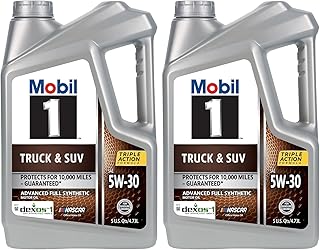
Mobil 1 Motor Oil 5W-30, 5 Quart | Full Synthetic | Truck & SUV | Pack of 2
Check PriceThe battle between conventional and synthetic oil inside a turbocharger comes down to molecular structure. Conventional oil is refined from crude stock and contains a mix of different sized hydrocarbon chains, waxes, and impurities that are impossible to remove entirely. Full synthetic oil is engineered from chemically uniform molecules with targeted performance additives.
This engineering allows synthetic oil to maintain its viscosity in the face of intense heat and shearing forces. For a turbocharged driver, that difference translates directly into better daily protection, especially during the first few minutes after a cold start when oil viscosity is critical.
Heat and Thermal Breakdown
Thermal breakdown, often called oxidation, is the enemy of all motor oils, but it is magnified inside a turbo housing. When oil oxidizes, it thickens into sludge and loses its ability to flow. A quality synthetic oil typically resists oxidation two to three times longer than a conventional oil of the same grade, which is vital when oil stagnation points can reach temperatures that melt lesser products.
Independent testing frequently shows that full synthetic 5W-30 oils can withstand sustained bulk oil temperatures above 400 degrees Fahrenheit without significant viscosity change. Conventional oils in the same environment will begin to thicken and deposit varnish, restricting the oil passages that feed the turbocharger.
Resistance to Coking and Deposits
Coking is the single most feared word in turbocharger maintenance. After a hot shutdown, the oil around the bearing solidifies into hard carbon deposits that can block the oil feed line. Synthetic base stocks have far superior thermal stability, meaning they resist turning into that abrasive carbon char even after repeated heat cycles.
Many modern turbocharged engines also feature a water cooled bearing housing, but the inner oil film still sees extreme temperatures. Choosing an oil with strong resistance to coking effectively gives you an insurance policy against a turbo rebuild, especially if you live in a hot climate or tow frequently.
Key Benefits of Synthetic Oil for Turbocharged Engines

Valvoline MaxLife High Mileage Full Synthetic 5W-30 Motor Oil 5 Quart
Check PriceMoving beyond just surviving the heat, synthetic lubricants bring a package of performance benefits that help a turbocharged powerplant run stronger for longer. These advantages are not marketing hype, they are measured in cold pour points, shear stability tests, and real world teardown comparisons performed by engine builders.
- Faster cold flow to the turbocharger bearing on startup, which is often when the most wear occurs.
- Higher film strength that keeps the turbine shaft separated from the bearing journal under boost pressure.
- Robust additive packages that neutralize acids formed by the high compression and blow-by common in turbo engines.
- Extended oil change intervals that offset the higher upfront cost of the synthetic product.
Turbo engines also tend to run richer air-fuel mixtures under load, which introduces fuel dilution into the oil. A synthetic formulation withstands that contamination without thinning out to a dangerous degree, preserving the required oil pressure at the turbo feed line.
For drivers shopping for a replacement oil, we have evaluated the best synthetic motor oil 5W30 options that specifically excel in high heat protection, and you can also see who makes the best synthetic motor oil across multiple brands to find a formulation that suits your driving style.
When Synthetic Oil Is Mandatory

Castrol GTX High Mileage 5W-30 Synthetic Blend Motor Oil, 5 Quarts, Pack of 3
Check PriceAutomakers are not leaving this choice to chance anymore. The majority of small displacement turbocharged engines produced today, from Ford EcoBoost to Volkswagen TSI families, require a full synthetic oil that meets specific certifications. Using a conventional oil, even temporarily, can void the powertrain warranty and cause documented turbo failures.
Check Your Owner’s Manual and Oil Cap
Open your hood and look at the oil fill cap, you will often see a specification like dexos1 Gen 3 or VW 508 00 stamped right on it. These are high performance synthetic standards designed to prevent low-speed pre-ignition (LSPI), a destructive knocking condition that plagues direct injection turbo engines when the wrong oil is used.
A conventional oil simply cannot pass the LSPI prevention tests required by these standards. Ignoring the spec to save a few dollars per quart puts your engine at risk of shattered ring lands and piston damage that no warranty will cover.
Can You Use Conventional Oil in an Older Turbo Engine?
Some older turbocharged cars from the 1980s and 1990s were factory filled with conventional oil, leading vintage owners to question if synthetics are still necessary. While the engine might have run on mineral oil originally, today’s conventional oils have changed, and a high quality full synthetic will always deliver superior protection in those aging journal bearing turbos.
Classic turbo cars often require more frequent oil changes because of excessive blow-by and richer carbureted or early fuel injected tunes. A synthetic oil will not only extend the safe interval but will also keep the oil feed line cleaner, preventing the coking that sidelined many of those early turbo models.
A common misconception is that synthetic oil causes leaks in older engines. The reality is that a full synthetic will clean out the sludge that was plugging tired seals, potentially revealing a leak that already existed. If your engine is mechanically sound, switching to synthetic is a protective upgrade that will not harm gaskets.
Synthetic Blend vs Full Synthetic for a Turbo
Synthetic blends mix a percentage of synthetic base stock with conventional oil, and they are often marketed as a budget friendly middle ground. In a turbocharged application, a blend is better than plain conventional oil, but it still falls noticeably short of the protection delivered by a full synthetic.
The conventional portion in a blend is the weak link, because it will oxidize, sludge, and break down long before the synthetic component gets tired. If you are committed to maximizing the life of your turbocharger, spend the extra on a full synthetic that meets the required manufacturer specification, and avoid blends labeled simply as synthetic technology.
Choosing the Right Viscosity and Certification
Modern turbo engines are often shipped with 0W-20 or 5W-30 full synthetic oil, and straying from the recommended viscosity is not advised. The turbocharger oil passage is a tiny restriction, and a thicker oil can delay flow to the bearing at startup, while a thinner oil might shear down too much under high RPM boost.
Stick with the viscosity stamped on the cap, and look beyond the API donut symbol. The best protection for a turbocharged engine comes from oils that carry additional approvals like ILSAC GF-6 or the European ACEA C3 specification. These oils are proven to resist LSPI, keep the turbo clean, and maintain viscosity under high shear.
Research from a leading lubricant manufacturer’s research confirms that full synthetic formulations consistently reduce turbocharger deposit formation by a significant margin compared to mineral based oils, a fact that has shaped OEM fill requirements worldwide.
Frequently Asked Questions
Is full synthetic oil required for all turbocharged engines?
Almost all modern turbocharged engines require a full synthetic oil to meet warranty conditions and protect against low-speed pre-ignition. Even older turbo engines benefit significantly, and most manufacturers now specify a synthetic formula to prevent turbo bearing coking.
What happens if I use conventional oil in a turbo car?
Conventional oil can overheat inside the turbo bearing housing, creating carbon deposits that clog the oil feed line and starve the turbo of lubrication. Over time, this leads to bearing wear, excessive shaft play, and eventual turbocharger failure that requires an expensive replacement.
Can synthetic oil cause a turbo to leak?
Synthetic oil does not cause leaks, but its detergent properties can clean away sludge that was masking an existing seal weakness. If your turbo oil seals are already brittle or worn, a switch to synthetic may reveal the leak, but it does not create one.
How often should I change synthetic oil in a turbocharged engine?
Follow the severe service schedule in your owner’s manual, which typically recommends oil changes every 5,000 to 7,500 miles for turbo engines. The extra heat and fuel dilution in these engines shorten oil life compared to a naturally aspirated motor, even with synthetic lubricants.
Conclusion
Synthetic oil is not just an upgrade for a turbocharged engine, it is the foundation of reliable performance and longevity. The extreme temperatures, shearing forces, and coking risk inside a turbocharger demand a lubricant that stays stable and clean far beyond what conventional oil can deliver.
Using a properly certified full synthetic oil in the correct viscosity protects the turbo bearing from startup to shutdown, prevents destructive LSPI events, and keeps oil passages free of harmful deposits. The slightly higher purchase price is returned many times over in avoided repairs and extended component life.
Check your oil cap today, verify the specification, and choose a high quality full synthetic that matches the manufacturer’s approval. Your turbocharger will run cooler, last longer, and respond quicker, mile after mile.