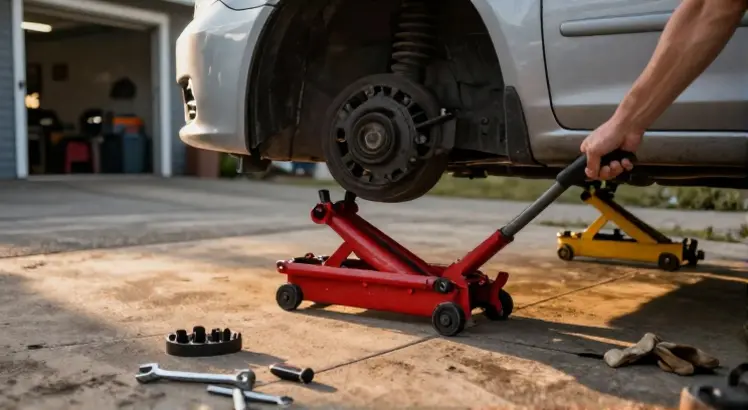
Every driver should know how to safely lift a vehicle. Whether you are changing a flat tire, inspecting brake pads, or doing an oil change, the job starts with getting the car off the ground. Doing it wrong can damage your car or cause a serious injury. This guide gives you the exact steps, tools, and safety habits you need. You will learn how to jack up a car safely, even if you have never turned a wrench before.
Why Safe Jacking Matters

Jack Boss 3 Ton Low Profile Aluminum and Steel Racing Floor Jack
Check PriceA car can weigh over two tons. If it slips off a poorly placed jack, you have almost no time to react. People get injured in driveway accidents every year because they skip basic precautions. Your safety is not something to gamble with, and neither is the hidden structure under your vehicle.
Dangers of Improper Lifting
Using the wrong lifting point can bend a floor pan, crush a brake line, or puncture a fuel tank. Even worse, a cinder block or makeshift stand can crumble under the weight. A car that falls off a jack can trap you underneath, leading to life-threatening injuries. Always treat the lifting process with respect and patience.
Protecting Your Vehicle’s Undercarriage
Modern cars have specific reinforced areas designed to bear the load. Placing a jack anywhere else risks bending thin metal or damaging plastic splash shields. Once a pinch weld folds over, it becomes much harder to lift the car safely in the future. Knowing where to put the jack keeps your car straight and your repairs affordable.
Essential Tools You’ll Need
Before you start, gather the right equipment. A good setup turns a risky chore into a controlled, predictable process. At a minimum, you need a reliable jack, solid jack stands, and wheel chocks. You will also want gloves, safety glasses, and a flashlight to inspect the jack points.
Choosing the Right Jack: Floor Jack vs. Bottle Jack vs. Scissor Jack
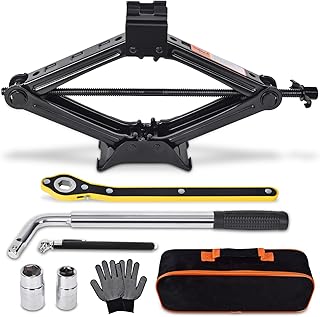
Scissor Car Jack 2 Ton (4409 lbs) Tire Changing Kit with Lug Wrench
Check PriceA floor jack is the easiest and safest option for garage use. It rolls on wheels, has a long handle for leverage, and lifts the car quickly. Bottle jacks are compact and powerful, but they need more clearance under the car. Scissor jacks, usually found in trunks, are meant only for emergency tire changes on level ground. If you plan to work under the car regularly, invest in a quality floor jack.

BIG RED T91003B Torin Hydraulic Welded Bottle Jack, 10 Ton (20,000 lb) Capacity
Check PriceJack Stands: The Non-Negotiable Safety Device
Never rely on a jack alone to hold the car. Hydraulic seals can fail, and a small leak can drop the vehicle without warning. Jack stands are rated to support a specific weight and are mechanically locked in place. Always place them under a reinforced part of the frame or a pinch weld before you slide under the car.
Wheel Chocks and Other Accessories
Chocks stop the car from rolling while you jack. You can buy rubber chocks or use a sturdy piece of wood. A rubber jack pad or a hockey puck placed between the jack saddle and the lifting point protects the car’s finish and prevents metal-on-metal slipping. A creeper or a thick piece of cardboard makes it more comfortable to work underneath.
Finding the Correct Jack Points on Your Car
Locating the right spot to lift is the most overlooked step. When you know exactly where to place a car jack properly, you cut the risk of damage by more than half. Your owner’s manual is the best source, but you can also identify the reinforced areas by looking under the rocker panels.
Understanding Unibody vs. Frame Construction
Most passenger cars use a unibody design where the body and frame are one piece. These vehicles have designated pinch welds behind the front wheels and ahead of the rear wheels. Body-on-frame trucks and SUVs have exposed frame rails, which give you more options. Lifting a unibody car on an anything other than the reinforced points can buckle the floor and lead to costly structural repairs.
Locating the Pinch Welds and Central Jacking Points
Pinch welds look like a narrow rib of folded metal running along the rocker panel. Some cars have notches or arrows in the trim to mark them. A central front jack point, often found under the engine subframe, lifts the whole front end so you can place two jack stands at once. The same logic applies to a rear differential or a rear tow hook area for the back. Always double-check with the manual before you commit the weight of the car to any spot.
Step-by-Step Guide to Jacking Up Your Car Safely
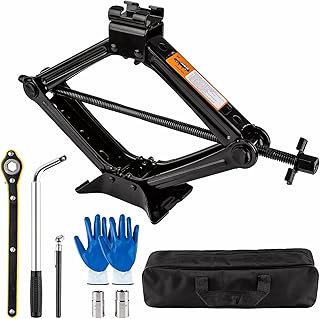
Beaiguna Portable Car Jack Kit, 2 Ton (4409 lbs) Scissor Jack for Car
Check PriceNow that you understand the tools and jack points, follow this sequence every time. Consistency builds safety. Whether you are lifting one corner or the entire vehicle, these steps eliminate most common mistakes. For a deeper look at the lifting motion itself, you can review the best techniques for lifting your car with a jack.
Step 1: Park on Level Ground and Set the Parking Brake
Find a flat, paved surface like a garage floor or a solid driveway. Avoid soft ground, gravel, or a slope. Firmly apply the parking brake and, if your car has an automatic transmission, shift into Park. A manual transmission should be left in first gear or reverse. This locks the drive wheels and adds an extra layer of stability before you lift.
Step 2: Place Wheel Chocks
Chock the wheels opposite the end you are lifting. If you are raising the front of the car, chock both sides of a rear wheel. If you are lifting the rear, chock the front wheels. Press the chock snugly against the tire tread. This prevents the car from rolling forward or backward as the weight shifts during the lift.
Step 3: Position the Jack Under the Lifting Point
Slide the jack under the vehicle so the saddle aligns perfectly with the reinforced lifting point. For a pinch weld, use a slotted rubber pad or a jack adapter to avoid bending the seam. If you are lifting from a central subframe point, ensure the saddle has full contact and is not touching any plastic covers. Adjust the jack until it is centered and stable before you pump the handle.
Step 4: Lift the Vehicle Slowly and Steadily
Pump the jack handle in smooth, deliberate strokes. Watch the lifting point and listen for any creaking or popping sounds. If the car begins to shift, lower it back down immediately and reposition. Raise the car only high enough to slide the jack stand under the designated stand point. Extra height only adds instability and strain to the jack.
Step 5: Secure the Car with Jack Stands Immediately
Place a jack stand under a frame rail, subframe, or an approved pinch weld area. Adjust the stand’s height so it is just touching the lifting point. Slowly release the jack to transfer the weight onto the stand. The car should settle firmly on the stand with no wobble. Give the vehicle a gentle shove from the side to confirm it is stable. Only after this test should you consider working underneath.
Step 6: Test Stability Before Working Under the Car
Before you put any part of your body under the vehicle, push on the bumper and rock the car gently in all directions. If you feel any movement, re-check the stands and re-seat them if needed. Keep the jack in place as a secondary support, but never let any part of your body rest solely under the jack. This two-minute check can prevent a catastrophe.
Common Mistakes to Avoid
Jack Boss 3 Ton Low Profile Aluminum and Steel Racing Floor Jack
Check PriceEven experienced home mechanics can get complacent. Rushing the process or skipping stands is always the root cause of an accident. Understanding the most frequent errors will keep you out of the emergency room.
- Using the scissor jack for maintenance work. Those emergency jacks are for one-time tire changes on the roadside. They wobble and can slip easily on anything but perfect pavement.
- Lifting on a sloped driveway. Even a slight angle multiplies the risk of rolling. The weight transfer can push the car off the jack before you realize it. Always find truly level ground.
- Trusting stacked wood or concrete blocks. Wood can split, and cinder blocks can shatter under concentrated weight. Only use rated jack stands with a locking pin or ratchet mechanism.
- Ignoring the parking brake. A car in Park can still roll a couple of inches as slack in the transmission gets taken up. The parking brake adds immediate resistance.
- Putting the jack on asphalt on a hot day. Asphalt softens in heat, and the jack wheels or saddle can sink in, causing a sudden tilt. Use a thick plywood board under the jack and stands if you must work on asphalt.
Frequently Asked Questions
Can I jack up my car on a slight incline?
It is never recommended. Even a small grade can cause the car to roll or the jack to tilt as the load shifts. If you have no other option, chock all wheels, use a transmission lock, and position the jack so it is pulling the car uphill against the chocks. But the only safe answer is to find flat pavement.
Is it safe to use only the jack without stands?
No, never. A hydraulic jack is a lifting tool, not a support device. Seals can blow, and a car can drop in an instant. Always use jack stands rated for the weight of your vehicle and lower the vehicle onto them before you get under it. This is non-negotiable.
How do I know where the jack points are?
Your owner’s manual will show a diagram with the exact reinforced spots. Common signs include small notches on the pinch weld, a crossmember indentation, or a reinforced section of the subframe. Feeling with your hand while the car is still on the ground often helps you find the thickest metal area.
Can I use a scissor jack for a full car lift?
You should not. A scissor jack is designed for emergency tire changes on the side of the road. It lacks the stability and lifting range needed for maintenance. Use a floor jack and jack stands for any job that requires you to be under the vehicle or keeps the car in the air for an extended time.
Conclusion
Learning how to jack up a car safely takes you from a nervous beginner to a confident DIY mechanic. The recipe is simple: level ground, correct tools, strict use of jack stands, and never rushing. Always identify your vehicle’s exact lifting points before you turn a single bolt. The guidance on vehicle lifting safety reinforces the same principle, never compromise on the equipment meant to hold thousands of pounds above you.
Whether you are changing oil, swapping wheels, or inspecting suspension parts, the habit of safe lifting will protect you and your car for years. Practice these steps every time, and you will never need to second-guess whether the car is secure. Stay safe, stay methodical, and enjoy the satisfaction of doing the work right.