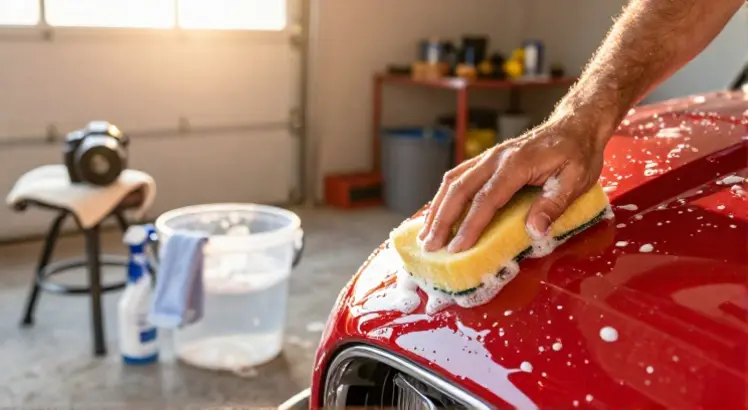
Getting behind the wheel for the first time is exciting, but it also brings a new set of responsibilities. Your car needs consistent attention to stay safe, reliable, and efficient. Many new drivers overlook simple maintenance tasks that can prevent expensive repairs and dangerous breakdowns. This guide on essential car care tips for beginners breaks everything down into easy, actionable steps you can start using today.
Why Basic Car Care Matters Right From the Start
Cars are complex machines, but you do not need a mechanic’s license to keep yours in great shape. Learning a few core habits will extend the life of your vehicle, improve fuel economy, and keep you safer on the road. Small actions like checking tire pressure or monitoring fluid levels prevent bigger, costlier failures. When you build a routine early, you gain confidence and avoid that sinking feeling of an unexpected breakdown.
Manufacturers provide a maintenance schedule in the owner’s manual, and following it is the foundation of good care. However, there are weekly and monthly checks that often go unmentioned. This article fills those gaps. You will learn to inspect key parts, recognize warning signs, and decide when to seek professional help.
1. Check and Change Your Engine Oil Regularly

Valvoline MaxLife High Mileage 5W-30 Synthetic Blend Motor Oil 5 Quart
Check PriceHow Often Should You Check the Oil Level
Make it a habit to check your engine oil at least once a month. Park on level ground, wait for the engine to cool, and pull out the dipstick. Wipe it clean, reinsert it fully, and then pull it out again to see where the oil line sits. The level should fall between the minimum and maximum marks. If it is low, top it off with the type of oil specified in your owner’s manual.
Why Consistent Oil Changes Matter
Oil lubricates, cools, and cleans the internal parts of your engine. Over time, it breaks down and collects dirt, losing its effectiveness. Skipping oil changes leads to sludge buildup and accelerated engine wear. Stick to the interval recommended by your car’s manufacturer, usually between 5,000 and 7,500 miles for modern synthetic oils. Never ignore the oil change light, it is a direct message from your car’s monitoring system.
2. Keep Your Tires in Peak Condition

Bridgestone Turanza EL440 Touring Tire 235/40R19 92 V
Check PriceMastering Tire Pressure Checks
Underinflated tires reduce fuel economy, wear unevenly, and increase the risk of a blowout. Check the pressure at least once a month and before long road trips. Find the correct PSI (pounds per square inch) on the sticker inside the driver’s door jamb, not the number on the tire sidewall. Use a reliable gauge and adjust the air accordingly. Do this when the tires are cold for an accurate reading.
Tread Depth and Rotation
Tread depth keeps your car gripping the road, especially in rain or snow. Insert a penny into the tread with Lincoln’s head upside down. If you can see the top of his head, your tread is too low and the tires need replacement. Rotate your tires every 6,000 to 8,000 miles to promote even wear. This simple practice extends the life of your entire set and maintains balanced handling.
- Check tire pressure monthly and before trips
- Inspect tread with a penny test every few weeks
- Rotate tires on schedule to avoid uneven wear
3. Battery Care Basics to Avoid a Dead Start

NOCO Boost GB40 12V 1000A
Check PriceA dead battery is one of the most common reasons for a roadside call. Heat and vibration are actually bigger enemies than cold, but extreme temperatures in any direction shorten battery life. Inspect the terminals for white or bluish corrosion and clean them with a wire brush and a baking soda solution if needed. Make sure the connections are tight. Most batteries last between three and five years, so pay attention if yours is nearing that age.
If your engine cranks slowly or the headlights dim at idle, your battery or charging system might be failing. Many auto parts stores offer free battery testing. For a deeper dive into selecting the correct replacement, check out our guide on picking the right car battery for your vehicle. A little proactive attention here can save you from being stranded on a cold morning.
4. Never Neglect Other Vital Fluids
Coolant and Overheating Prevention

Zerex Asian Vehicle Red Silicate and Borate Free 50/50 Prediluted Ready-to-Use Antifreeze/Coolant 1 GA
Check PriceEngine coolant, also called antifreeze, regulates engine temperature. Low coolant levels can cause overheating, a leading cause of serious engine damage. Check the reservoir tank when the engine is cold and ensure the fluid sits between the low and full markings. Use the exact type specified for your car, mixing different formulas can create a harmful gel.
Brake Fluid, Transmission Fluid, and Washer Fluid

ABRO Windshield Washer Fluid Ready to Use Formula
Check PriceBrake fluid absorbs moisture over time and should be flushed every two to three years. Check the reservoir level monthly, a sudden drop could indicate a leak. Transmission fluid keeps gear shifts smooth, consult your manual for the correct check procedure. Windshield washer fluid is easy to top off but easy to forget. Running out during a rain-soaked drive creates an instant visibility hazard. Keep a jug in your trunk.
5. Wipers, Lights, and Visibility Essentials

AUTOBOO 26″ and 16″ Windshield Wipers Blades (Pack Of 2)
Check PriceClear visibility is a non-negotiable part of safe driving. Replace wiper blades every six to twelve months, or sooner if they streak, chatter, or leave patches. Winter blades with a rubber cover help prevent ice buildup in colder climates. Every couple of weeks, walk around your car and check that all headlights, taillights, brake lights, and turn signals are working. Having a friend help makes this a 30-second task.
- Replace wipers at the first sign of streaking
- Check exterior lights frequently
- Keep washer fluid full and carry spare wiper blades
6. Seasonal Preparation Keeps You Ahead of the Weather
Changing seasons put unique demands on your car. Before winter arrives, test your battery, switch to winter-grade oil if recommended, and consider dedicated winter tires. Check your heater, defroster, and all weather seals. Summer heat requires inspecting the cooling system and air conditioning. Our complete guide to winterizing your car properly walks you through a step-by-step checklist so you never miss a critical task. Adapting your care routine with the weather avoids sudden failures and keeps you comfortable in any temperature.
Building a Simple Maintenance Schedule That Works
Consistency beats intensity. You do not need to be a mechanic, but a small calendar reminder goes a long way. Create a weekly habit of checking tire pressure and lights. Once a month, inspect oil, coolant, and battery terminals. Every few months, evaluate wipers, tread depth, and all fluid levels. Stick to the manufacturer’s service intervals for oil changes, filters, and belt inspections.
Keep a notebook in the glovebox or a note on your phone to log maintenance dates. When it is time to sell the car, a well-documented history impresses buyers and raises resale value. As you gain experience, these checks become second nature. You will spot minor issues before they turn into major repairs, a skill that pays off for the life of your car.
🚗 Beginner’s Car Care Quick-Reference Checklist
To make this guide even more practical, here is a handy cheat sheet you can save, print, or keep in your glovebox to stay on top of your maintenance routine.
⏱️ The 2-Minute Weekly Walk-Around
- Lights Check: Ensure headlights, taillights, brake lights, and turn signals are fully functional.
- Wiper Inspection: Run the wipers to check for any immediate streaking or chattering.
📅 The 10-Minute Monthly Routine
- Engine Oil: Pull the dipstick, wipe it, reinsert it, and verify the oil level is between the Min and Max lines.
- Tire Pressure: Measure cold tire PSI with a gauge and inflate according to your door jamb sticker.
- Coolant Reservoir: Check that the coolant level sits safely between the low and full markings.
- Brake Fluid: Inspect the clear reservoir under the hood to ensure there are no sudden drops in fluid levels.
🔍 The Seasonal 6-Month Deep Check
- Tire Tread: Perform the Lincoln penny test to ensure your tires still have safe grip.
- Battery Terminals: Check for white or blue corrosion buildup and ensure connections are tight.
- Wiper Blades: Replace your blades if they are leaving streaks or are over 6 months old.
- Washer Fluid: Top off the reservoir and store a spare jug in the trunk.
Recommended Maintenance Intervals At-A-Glance
| Maintenance Task | Recommended Interval | Why It Matters |
| Engine Oil Change | Every 5,000 to 7,500 miles | Prevents sludge buildup and keeps internal parts lubricated. |
| Tire Rotation | Every 6,000 to 8,000 miles | Promotes even tire wear and extends the lifespan of your set. |
| Wiper Blade Replacement | Every 6 to 12 months | Maintains clear visibility during heavy rain or snow. |
| Brake Fluid Flush | Every 2 to 3 years | Prevents moisture absorption and maintains firm braking power. |
| Battery Replacement | Every 3 to 5 years | Prevents sudden dead starts and roadside emergencies. |
Frequently Asked Questions
How often should a beginner check engine oil
Aim to check the oil level at least once a month and before any long journey. This takes less than five minutes and can prevent severe engine damage. Always use the dipstick and refer to the owner’s manual for the correct oil type.
What is the most overlooked car care task for new drivers
Tire pressure monitoring is often skipped. Many beginners wait until a warning light comes on, but by then the pressure is already significantly low. Regular manual checks with a gauge catch slow leaks early and keep you safer.
Can I do all these car care steps myself
Absolutely. Checking fluids, tire pressure, lights, and wipers requires no advanced mechanical skill. More complex jobs like oil changes or brake work can be learned over time, but starting with these simple inspections builds a strong foundation. Reputable organizations like AAA’s expert car maintenance guide offer step-by-step resources for beginners.
How do I know when my car battery is about to die
Watch for slow engine cranking, dim headlights at idle, or a battery warning light on the dashboard. If your battery is older than three years, have it tested at an auto parts store annually. Cleaning corroded terminals sometimes solves issues that seem like a weak battery.
Take Control of Your Car’s Health Today
Essential car care for beginners is not about memorizing a long list of intimidating tasks. It is about building a few smart habits that quickly become routine. Check your oil and tires regularly, keep fluids topped off, and pay attention to the signals your car sends. These small steps dramatically reduce the chance of a breakdown and give you peace of mind every time you turn the key. Start with one or two checks this weekend, and soon you will handle car maintenance with total confidence.