
Turbocharged engines run hotter and spin faster than naturally aspirated ones. The oil you pour into the crankcase has to withstand extreme heat, resist thermal breakdown, and keep the turbo bearing lubricated at insane speeds. Picking the wrong oil can lead to coking, sludge buildup, and early turbo failure. That is a repair bill nobody wants to face.
Drivers want an oil that stays stable when the turbo is glowing red, maintains film strength during hot shutdowns, and flows quickly on cold starts to protect the turbocharger instantly. They also need compatibility with modern emissions systems, and they want to keep deposits from choking the oil passages inside the turbo center housing.
Short Answer: Our top pick is the Mobil 1 European Car Formula 0W-40. It delivers outstanding thermal stability, rapid cold-flow protection, and the full synthetic formulation that turbochargers demand. For heavy-duty diesel turbos, the Mobil 1 Turbo Diesel Truck 5W-40 is purpose-built, and for a budget-friendly full synthetic, Castrol GTX Full Synthetic 5W-30 punches above its price.
Best Motor Oil For Turbo Engines of 2026
To help you sort through the many options, our detailed comparison of top synthetic oils for turbo engines breaks down the formulations that truly meet the demands of forced induction. Beyond specific product picks, understanding the extreme heat and shear stress turbochargers place on lubrication explains why a dedicated guide is so valuable for protecting your engine over the long haul.
1. Mobil 1 European Car Formula 0W-40 – Best Overall Turbo Protection

Mobil 1 European Car Formula Full Synthetic Motor Oil 0W-40, 5 Quart
Check PriceWhy it stands out
This oil is engineered to handle the intense heat and stress of high-output European turbo engines. Its broad 0W-40 viscosity range means it pours easily at subzero temperatures yet resists thinning when the turbo is under full boost. The advanced full synthetic base holds up under severe thermal conditions, keeping the turbo bearing slick and clean.
Key points
- Full synthetic formula with SuperSyn technology
- 0W-40 viscosity for rapid cold-weather flow and hot-weather stability
- Exceeds ILSAC GF-5 and API SN standards
- Designed for high-performance European turbo engines
Pros
- Exceptional thermal breakdown resistance
- Protects turbo bearings during hot shutdowns
- Excellent cold-start flow
- Maintains viscosity under extended drain intervals
- Trusted by many European automakers
Cons
- Priced higher than conventional synthetic blends
- Not specifically formulated for diesel engines
Best for
Drivers who own German or European turbocharged cars and want a do-it-all full synthetic that excels in daily driving, spirited runs, and cold climates.
2. Castrol EDGE 5W-30 Advanced Full Synthetic – Strength Under Extreme Heat

Castrol EDGE 5W-30 Advanced Full Synthetic Motor Oil, 5 Quarts
Check PriceWhy it stands out
Castrol EDGE uses fluid titanium technology to physically strengthen the oil film under pressure. This is critical in a turbo engine where the bearing floats on a thin layer of oil. It resists viscosity breakdown even when temperatures spike repeatedly during hard acceleration.
Key points
- Fluid titanium technology for film strength
- 5W-30 viscosity suits many modern turbo gasoline engines
- Meets API SP and ILSAC GF-6 standards
- Reduces metal-to-metal contact under high load
Pros
- Outstanding shear stability for turbocharger bearings
- Minimizes deposit formation on turbo internals
- Strong cold-cranking performance
- Extends oil change intervals with confidence
- Widely available in retail stores
Cons
- Slightly thicker at startup than a 0W-30
- May not meet some older European ACEA specs
Best for
Owners of mainstream turbocharged cars who want advanced full synthetic protection without overspending, especially those who occasionally drive aggressively.
3. Mobil 1 Turbo Diesel Truck 5W-40 (1 Gallon) – Heavy-Duty Diesel Turbo Savior

Mobil 1 Turbo Diesel Truck Full Synthetic Motor Oil 5W-40, 1 Gal
Check PriceWhy it stands out
This oil is built specifically for the massive torque and intense heat of turbocharged diesel trucks. It handles soot accumulation and high cylinder pressures that would destroy a lesser oil. The robust additive package keeps the turbo bearing clean and free of abrasive carbon particles.
Key points
- Full synthetic formula for diesel turbocharged engines
- 5W-40 provides excellent hot viscosity retention
- Meets CI-4 Plus and CJ-4 diesel specifications
- Large 1-gallon jug for convenient oil changes
Pros
- Outstanding soot handling for diesel turbos
- Prevents sludge and varnish in high-heat zones
- Protects during towing and loaded climbing
- Excellent cold-pumping for quick lubrication at startup
- Trusted by diesel pickup enthusiasts
Cons
- Not designed for gasoline turbo engines
- Gallon jug can be awkward to pour without a funnel
Best for
Owners of heavy-duty turbo diesel trucks, like Ford Super Duty, Ram Cummins, and GM Duramax models, who demand oil that can handle extreme work cycles.
4. Mobil 1 Turbo Diesel Truck 5W-40 (1 Quart) – Top-Off Convenience

Mobil 1 98HM64 5W-40 Turbo Diesel Truck Synthetic Motor Oil – 1 Quart
Check PriceWhy it stands out
This is the same heavy-duty formula as the gallon jug in a handy quart size. It is perfect for topping off between changes or keeping a spare bottle in the truck for emergencies. The 5W-40 full synthetic keeps the turbocharger safe even when oil levels naturally drop a little.
Key points
- Same CJ-4/CI-4 Plus diesel formulation
- 1-quart bottle fits neatly in a storage compartment
- Full synthetic base stock for turbo protection
- Compatible with diesel particulate filters (DPF)
Pros
- Convenient size for topping off
- Identical premium protection as the gallon jug
- Easy to pour with less mess
- Great for keeping oil consumption in check on older turbos
- Preserves turbo bearing life between full changes
Cons
- Price per quart is higher than the gallon
- Not suitable for gasoline engines
Best for
Diesel truck owners who already use the Mobil 1 Turbo Diesel formula and need a spare quart for long trips or routine top-offs.
5. Valvoline Advanced Full Synthetic 5W-30 – Trusted Daily Defense

Valvoline Advanced Full Synthetic SAE 5W-30 Motor Oil 1 QT
Check PriceWhy it stands out
Valvoline Advanced provides dependable full synthetic protection at a competitive price. Its additive pack includes extra antioxidants and detergents that fight the high-temperature oxidation common in turbochargers. The oil clings to metal surfaces to reduce wear during startup, when most turbo damage happens.
Key points
- Full synthetic 5W-30 meets API SP and GF-6
- Enhanced antioxidant system for turbo heat
- Superior wear protection in stop-and-go traffic
- Available in single quarts or multi-packs
Pros
- Strong film strength for turbo journal bearings
- Good value for a full synthetic
- Resists sludge even with extended drains
- Trusted brand with decades of motor oil expertise
- Works well in both turbo and naturally aspirated engines
Cons
- Single quart bottle shown, not always a 5-quart jug
- May not have the same extreme heat ceiling as the Mobil 1 0W-40
Best for
Daily drivers with turbocharged cars who want a solid, no-fuss full synthetic without spending premium brand money. It is a smart pick for modern compact turbos.
6. Castrol GTX Full Synthetic 5W-30 – Affordable Full Synthetic Shield

Castrol GTX Full Synthetic 5W-30 Motor Oil, 5 Quarts
Check PriceWhy it stands out
Castrol GTX Full Synthetic delivers genuine full synthetic protection at a price that feels like a conventional oil. It flows quickly at low temperatures to reach the turbocharger fast, and its strong film resists shearing under the high rpm of a spinning turbo shaft. This is an entry point into synthetic without compromise.
Key points
- Full synthetic 5W-30 meets API SP/GF-6
- Triple-action formula: clean, protect, perform
- Excellent cold-cranking properties
- 5-quart jug for a complete oil change
Pros
- Very budget-friendly full synthetic
- Protects against turbo coking at high temperatures
- Helps maintain fuel economy
- Wide compatibility with gasoline turbo engines
- Good for those switching from conventional to synthetic
Cons
- Not the best choice for heavily modified high-boost engines
- Does not carry many European OEM approvals
Best for
Budget-conscious owners of stock turbocharged cars who want a full synthetic oil change without paying a premium. Ideal for daily commuting and light highway use.
7. Mobil 1 High Mileage 5W-30 – Extra Care for Older Turbo Engines

Mobil 1 High Mileage Full Synthetic Motor Oil 5W-30, 5 Quart
Check PriceWhy it stands out
As turbo engines age, seals can harden and oil leaks become more common. Mobil 1 High Mileage contains seal conditioners that help reduce seepage around the turbo oil lines. It also has extra anti-wear additives to compensate for the increased clearances in a well-used turbocharger.
Key points
- Full synthetic with seal conditioners for engines over 75,000 miles
- 5W-30 viscosity common in many turbo cars
- Helps reduce oil consumption in worn turbos
- Thermal stability to protect against turbo heat
Pros
- Slows leaks from aging seals around turbo lines
- Maintains oil pressure in high-mileage turbo engines
- Cleans sludge left by previous oils
- Excellent brand reputation for synthetics
- Reduces wear on turbo thrust bearings
Cons
- Not necessary for low-mileage engines
- May cost a bit more than standard Mobil 1
Best for
Drivers with turbocharged cars that have crossed the 75,000-mile mark and want to extend engine life while minimizing oil leaks and consumption.
8. Valvoline High Mileage 10W-40 Synthetic Blend – Thick Film for Aging Turbos

Valvoline High Mileage with MaxLife Technology SAE 10W-40 Synthetic Blend Motor Oil 5 QT
Check PriceWhy it stands out
This synthetic blend provides a thicker oil film than 5W-30, which can help quiet noisy turbo bearings and fill larger gaps in a worn engine. The higher 10W-40 hot viscosity is reassuring in older turbo engines that see high oil temperatures. MaxLife technology rejuvenates seals and reduces leaks.
Key points
- Synthetic blend with MaxLife additives
- 10W-40 viscosity for extra hot-weather protection
- Seal conditioners to combat oil leaks
- Meets API SP standards for high-mileage engines
Pros
- Helps reduce oil burning in older turbos
- Thicker viscosity cushions worn bearings
- Value price for a synthetic blend
- Reduces engine noise in high-mileage turbos
- Good for summer driving in hot climates
Cons
- Not a full synthetic, so extreme heat resistance is lower
- Thicker cold viscosity may slow oil flow at startup in very cold weather
Best for
Owners of older turbocharged cars, especially those with higher oil consumption, who want an affordable option that provides a thicker protective cushion.
9. Mobil 1 Advanced Fuel Economy 0W-30 – Slick Efficiency for Modern Turbos

Mobil 1 Advanced Fuel Economy Full Synthetic Motor Oil 0W-30, 5 Quart
Check PriceWhy it stands out
Designed to reduce internal friction, this oil can help turbocharged engines eke out a little extra fuel economy. The 0W-30 viscosity flows instantly on frigid mornings, getting oil to the turbo bearing before the revs climb. It maintains a strong film under boost despite its low viscosity.
Key points
- 0W-30 full synthetic for quick cold-flow
- Low-friction formulation to improve mpg
- Meets ILSAC GF-5 energy-conserving standards
- Thermal breakdown resistance for turbo heat
Pros
- May improve fuel economy noticeably
- Flows easily at subzero temperatures
- Protects turbocharger at start-up when wear is highest
- Full synthetic backbone for cleanliness
- Meets requirements of many newer turbos
Cons
- Thinner oil may not be ideal for older, looser turbos
- Some drivers may not notice a large mpg gain
Best for
Owners of newer turbocharged cars who prioritize fuel economy and cold-climate starting. Perfect if your manual specifies 0W-30 or 5W-30 for severe service.
10. BMW SAE 0W-20 Full Synthetic – Genuine OEM Formula

BMW SAE 0W-20 Full Synthetic Motor Oil, 1 Quart, 16. Fluid_Ounces
Check PriceWhy it stands out
This is the factory-fill oil for many modern BMW turbo engines, including TwinPower Turbo models. It meets the exacting BMW Longlife-17 FE+ specification, which demands robust protection against low-speed pre-ignition and turbocharger coking. Using the OEM oil ensures warranty compliance and perfect compatibility.
Key points
- BMW Longlife-17 FE+ approved
- 0W-20 full synthetic for quick turbo lubrication
- Prevents LSPI in small-displacement turbo engines
- 1-quart bottle for convenient top-offs
Pros
- Perfect for BMW turbo engines requiring 0W-20
- Engineered to prevent carbon deposits on turbochargers
- Genuine BMW quality assurance
- Excellent cold-flow for turbo bearing protection
- Meets stringent fuel economy standards
Cons
- More expensive than equivalent aftermarket synthetics
- Limited to BMW and MINI applications that call for 0W-20
Best for
BMW and MINI owners who insist on OEM fluids to keep their turbocharged engine running exactly as the factory intended, especially those under warranty.
11. STP Premium Synthetic Blend 10W-30 – Small Engine Turbo Applications

STP Premium Synthetic Blend 4 Cycle Small Engine Oil, SAE 10w30 Motor Oil for Lawnmowers, Generators, Tractors, Snow Blowers, and More, 32 fl oz
Check PriceWhy it stands out
While uncommon, some small turbocharged engines exist in generators, pressure washers, or custom equipment. This STP synthetic blend provides better high-temperature stability than conventional small-engine oil, resisting the extra heat from a compact turbo. It is a solid choice for air-cooled turbo setups that see hard use.
Key points
- Synthetic blend 10W-30 for 4-cycle small engines
- Resists thermal degradation in air-cooled turbos
- Formulated for lawnmowers, generators, and tractors
- 32-ounce bottle for convenient servicing
Pros
- Better heat control than standard SAE 30
- Reduces carbon deposits on small turbo components
- Affordable synthetic blend for occasional use
- Wide temperature range suitable for all seasons
- Trusted STP brand for small engines
Cons
- Not intended for automotive turbo engines
- Limited availability compared to automotive oils
Best for
Hobbyists or small-equipment owners with turbocharged generator or compressor setups who need an oil that can handle the extra heat without breaking down quickly.
12. Castrol Edge Extended Performance 5W-20 (3-Pack) – Long Drain Confidence
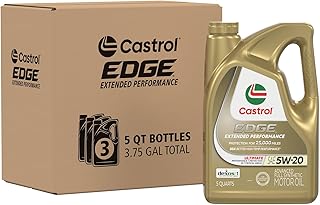
Castrol Edge Extended Performance 5W-20 Advanced Full Synthetic Motor Oil 5 Quart, Pack of 3
Check PriceWhy it stands out
This oil is built for extended drain intervals, making it ideal for those who want to go longer between oil changes without sacrificing turbo protection. The 5W-20 viscosity works well in many modern turbo engines that call for this grade. The 3-pack offers an economical way to stock up for multiple oil changes.
Key points
- Advanced full synthetic with fluid titanium
- 5W-20 meets API SP and ILSAC GF-6
- Designed for up to 20,000 miles between changes (when following OEM guidance)
- Three 5-quart jugs for a bulk purchase
Pros
- Excellent long-drain capability
- Strong film strength prevents turbo bearing wear
- Cost-effective per quart in bulk pack
- Reduces trips to the parts store
- Maintains viscosity over extended use
Cons
- 5W-20 may be too thin for some older turbo designs
- Not all engines can safely achieve 20,000-mile intervals
Best for
High-mileage commuters with modern turbocharged vehicles who want to minimize maintenance stops and buy in bulk for savings.
13. LIQUI MOLY Motor Oil Saver – Additive to Reduce Turbo Oil Consumption
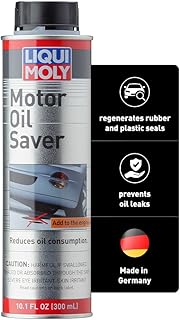
LIQUI MOLY Motor Oil Saver | 300 ml | Oil additive | SKU: 2020
Check PriceWhy it stands out
This is not a motor oil, but a targeted additive that rejuvenates worn seals and reduces oil burning. In older turbo engines, leaking oil seals around the turbo shaft can cause smoke and consumption. Mixing a bottle of Motor Oil Saver into your existing oil can help restore seal flexibility and cut down top-off frequency.
Key points
- 300 ml bottle for one oil change treatment
- Restores elasticity of seals and gaskets
- Reduces oil consumption through the turbo
- Compatible with all synthetic and conventional oils
Pros
- Can noticeably slow oil leaks from old turbo seals
- Easy to add during an oil change
- German-engineered formula trusted worldwide
- Works alongside your chosen turbo oil
- Helps avoid expensive turbo seal repairs
Cons
- Not a replacement for quality motor oil
- May take a few hundred miles to see full effect
Best for
Drivers with older turbo engines that are starting to consume oil or show minor seal leaks, who want to prolong the life of the engine without immediate teardown.
How to Choose the Right Motor Oil for Your Turbo Engine
Start with your owner’s manual. The manufacturer specifies a viscosity and oil standard, such as API SP or ACEA A3/B4, that is proven safe for your turbo system. Deviating from these specs can trigger low-speed pre-ignition or excessive wear on the turbo bearings. Stick to the recommended viscosity, but know that a slightly thicker oil can sometimes help in hot climates, while a thinner winter rating aids cold starts.
Full synthetic is almost always the right choice for turbo engines. Conventional oils break down faster under the intense heat of a turbocharger, leading to coking, the baked-on carbon deposits that can destroy the bearing and clog oil passages. Synthetic oil resists this thermal breakdown, flows better at low temperatures, and maintains its film strength longer. For most stock turbo cars, a quality 5W-30 or 0W-40 full synthetic is a safe bet.
Consider your driving habits. If you routinely use full boost, tow, or sit in traffic where under-hood heat soars, you need an oil with strong anti-oxidant additives. Look for terms like extended performance, high mileage if the engine has crossed 75,000 miles, or OEM-specific approvals like BMW LL-01 or VW 502 00. Also think about drain intervals. Some oils are designed for 10,000 miles or more, which can reduce maintenance frequency while still guarding the turbo.
Finally, do not ignore the oil filter. A high-efficiency filter that catches tiny particles is just as important as the oil itself. Even the best oil cannot protect a turbo if abrasive debris is circulating. Pair your chosen synthetic oil with a premium filter and change both on time to keep the turbo spinning freely for years.
Mistakes to Avoid When Choosing Turbo Engine Oil
One of the biggest mistakes is using conventional oil to save money. Turbochargers can reach temperatures over 500°F, and conventional oil will quickly oxidize, leaving behind sludge and carbon deposits. That sludge can block the small oil passages inside the turbo, starving the bearing of lubrication. The few dollars saved will disappear the moment the turbo needs a rebuild.
Another common error is ignoring the owner’s manual viscosity recommendation. Switching to a much thicker oil, thinking it will better protect the turbo, can actually reduce flow to the bearing when cold. The turbo relies on a fast, steady supply of oil at startup. A too-thick oil delays that flow, causing metal-to-metal contact during the critical first seconds. Stick to the manufacturer’s viscosity or, at most, step up one hot-weather grade in severe conditions.
Extending oil changes too far is also risky with turbo engines. Even a high-quality synthetic shears and accumulates contaminants over time. The turbo is often the first component to suffer when oil loses its protective properties. Do not rely solely on the oil life monitor without considering your driving style. If you do a lot of stop-and-go, track days, or towing, shorten the interval to be safe.
Finally, do not mix oil brands and viscosities haphazardly. While topping off with a different viscosity in an emergency is acceptable, regularly mixing oils can dilute the additive package and reduce overall protection. Choose a quality oil and stick with it, using consistent top-offs. Avoid using engine flush products too frequently with turbos, as some aggressive solvents can harm the turbo seals or wash away the lubricating film.
Frequently Asked Questions
1. What oil type is best for turbocharged engines?
Full synthetic oil is strongly recommended for turbo engines because of its superior thermal stability. Synthetic base stocks resist coking and sludge even when the turbocharger runs at extremely high temperatures. Look for oils that meet API SP, ILSAC GF-6, or relevant ACEA specifications.
2. Can I use conventional oil in a turbo engine?
Conventional oil is not ideal for any modern turbocharged engine. It breaks down faster under heat, leaving deposits that can ruin turbo bearings. While some older designs may tolerate it, using conventional oil today is a false economy that greatly increases the risk of turbo failure.
3. What viscosity should I use for my turbo car?
Always follow the viscosity listed in your owner’s manual first. Common viscosities are 5W-30, 0W-40, or 5W-40. A 0W winter rating helps cold-start flow, while the second number ensures hot protection. If you live in an extremely hot climate, a slightly higher hot rating may be acceptable with caution.
4. How often should I change oil in a turbo engine?
Most manufacturers recommend every 5,000 to 7,500 miles for severe service, or up to 10,000 miles with high-quality full synthetic under normal driving. Because the turbo adds heat stress, erring on the side of shorter intervals is wise. Check your oil life monitor but consider early changes if you drive hard.
5. Is synthetic oil mandatory for turbos?
While not legally mandatory, synthetic oil is practically mandatory if you want your turbo to last. The extreme heat in the turbo center housing will cause conventional oil to form carbon deposits rapidly. Synthetic oil can withstand those temperatures without coking, preserving the life of the bearing.
6. What is the difference between 5W-30 and 5W-40 for turbos?
The number after the W indicates viscosity at operating temperature. 5W-40 is slightly thicker when hot, which can provide a more robust film under heavy load and high heat. However, if your engine is designed for 5W-30, using 5W-40 may reduce fuel economy and cold flow slightly. Use the recommended grade unless you have specific reasons to switch.
7. Can high mileage oil benefit a turbo engine?
Yes, once your turbo engine surpasses 75,000 miles, high mileage formulas with seal conditioners can help reduce leaks and oil consumption. The extra anti-wear additives also compensate for the slightly larger clearances in a worn turbo bearing. Just make sure the viscosity matches the OEM recommendation.
8. Do turbo engines need special oil additives?
Generally, no. A well-formulated modern synthetic oil already contains a balanced additive package. Adding extra additives can upset that balance or even cause foaming. The only exception is a targeted seal conditioner like Liqui Moly Motor Oil Saver when dealing with age-related leaks around the turbo seals.
9. How do I know if my oil is breaking down in my turbo engine?
Signs include increased oil consumption, a burnt smell from the oil fill cap, rising engine temperatures, or a drop in oil pressure. Used oil analysis is the most accurate way. If the oil turns dark and sludgy quickly, or if you hear a whining noise from the turbo, the oil may no longer be protecting it properly.
10. What happens if I use the wrong oil viscosity in a turbo engine?
Too thin an oil may not maintain adequate film strength at high temperatures, leading to bearing wear and potential turbo failure. Too thick an oil can cause poor cold-flow, starving the turbo bearing of oil during startup. Both extremes can trigger check engine lights, increase fuel consumption, and shorten engine life.
Conclusion
Your turbocharged engine deserves an oil that can handle blazing heat, extreme shearing forces, and relentless stop-start cycles. A premium full synthetic like Mobil 1 European Car Formula 0W-40 gives you peace of mind that the turbo bearing is always blanketed in a stable film. For diesel owners, the Mobil 1 Turbo Diesel Truck 5W-40 stands as the hardcore defender against soot and heat.
Whether you choose Castrol EDGE for its titanium strength, Valvoline for its daily-driver value, or a genuine BMW oil to keep your warranty intact, the key is consistency. Use the recommended viscosity, change it on a conservative schedule, and pair it with a top-quality oil filter. Do not let a few dollars lead to a costly turbo replacement.
Our list of the best motor oils for turbo engines in 2026 covers everything from track-day warriors to heavy-duty tow rigs. Each product offers a specific advantage, but they all share one trait: they are built to keep your turbo spooling happily for tens of thousands of miles. Pick the one that matches your engine, driving style, and budget, then hit the road with confidence.
Once you have a shortlist of quality oils, it is worth confirming whether synthetic is truly non-negotiable. Our article on why synthetic oil is generally the safer choice for turbocharged engines clears up the science behind thermal stability and coking resistance, helping you make an informed decision without marketing guesswork.