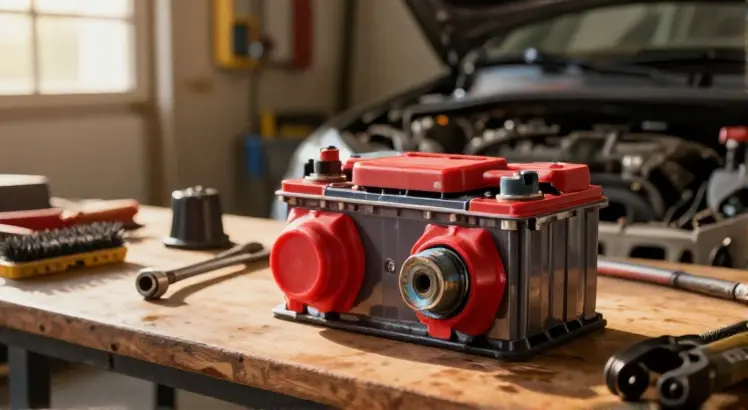
If you have ever popped the hood of your car, you have probably noticed those small rubber or plastic caps sitting on top of the battery terminals. They might look like an afterthought, a simple manufacturer add-on that serves no real purpose. You may even be asking yourself, are battery terminal covers necessary, or can you just toss them aside and forget about them? The short answer is that these inexpensive components play a critical safety role, and driving without them invites unnecessary risk.
Many drivers underestimate just how dangerous an exposed battery terminal can be. A car battery stores enough electrical energy to weld metal, and if a conductive object bridges the positive and negative posts, the results can be catastrophic. In the following comprehensive guide, we will break down the true purpose of these covers, examine the dangers of running without them, and show you exactly when they are an absolute necessity for your vehicle.
Why Battery Terminal Covers Matter

6Pcs Battery Terminal Cover, Battery Terminal Protector, Car Insulating Battery Cover, Soft Rubber Positive and Negative Poles Stud Covers Connector Top Post Cap for Car Motorcycle Truck (Red/Black)
Check PriceBattery terminal covers are often referred to as terminal protectors or insulating boots. Their primary job is to shield the conductive metal posts from accidental contact. Without a cover, the positive terminal sits completely exposed, just waiting for a tool, a loose wire, or even a metal hood brace to touch it. This accidental contact creates a direct short circuit, which can lead to sparks, fire, or an exploding battery.
Beyond the immediate short circuit risk, uncovered terminals are much more prone to corrosion. Moisture, road salt, and acidic fumes from the battery itself can corrode the terminals rapidly when no cover is in place. That powdery blue or white buildup not only inhibits the flow of electricity but also eats away at the cable connectors, eventually leading to a no-start condition on a cold morning.
Terminal covers also add a layer of vibration dampening. The constant shaking of the engine can loosen cable clamps over time. A snug rubber cover helps stabilize the connection and reduces the chance of intermittent electrical glitches, such as flickering dashboard lights or random electronic sensor faults. It is a small detail that touches both safety and long-term reliability.
Do You Really Need Battery Terminal Covers?

Fastronix Red and Black Top Post Style Flexible Battery Terminal Cover
Check PriceMost drivers focus on the big-ticket maintenance items like oil changes and brake pads, but small accessories like terminal covers often slip under the radar. The question of whether battery terminal covers are necessary depends heavily on your vehicle layout and how the battery is housed. In many modern cars, the battery sits tightly inside a plastic box with a snap-on lid, and the terminals may already be partially hidden. However, that does not mean the covers are redundant.
If your battery is mounted under the hood with nothing shielding the positive post, a cover is nearly essential. One stray wrench during a quick inspection can turn into an emergency room visit. Even a dropped hood prop rod or a metal clip on a jumper cable can cause a flash arc that melts metal instantly. For these vehicles, going without terminal covers is an open invitation to a costly accident.
On the other hand, some batteries are located in the trunk, under the rear seat, or inside a sealed compartment. While those environments may seem safer, they often come with their own venting requirements and regulations. In many racing sanctioning bodies and even some state vehicle codes, a covered positive terminal is mandatory, especially if the battery is inside the passenger compartment. Ignoring this rule can fail a technical inspection or cause dangerous gas ignition scenarios.
Safety Risks of Exposed Battery Terminals

Ampper Top Post Flexible Military Spec Battery Terminal Cover, Battery Terminal Clamp Insulator Protector W/Washers for Car, Vehicle, RV and Boat (1 Pair)
Check PriceUnderstanding the real-world consequences helps clarify why covers should not be viewed as optional. Here are the top safety risks that exposed terminals present every time you drive.
Short Circuits and Fire Hazards
A car battery can deliver several hundred amps in a fraction of a second. If a metallic object bridges the positive and negative terminals, the immense current flow generates extreme heat, instantly melting the object and often igniting the hydrogen gas that batteries vent. This explosive reaction can rupture the battery case, spraying sulfuric acid across the engine bay and anyone standing nearby. The terminal cover acts as the first line of defense against this scenario.
Corrosion and Electrical Gremlins
Corrosion on terminals is not just ugly, it is an electrical resistor. Even a thin layer of oxidation can cause a voltage drop that confuses the vehicle’s electronic control modules. You might experience random check engine lights, sluggish starting, or malfunctioning accessories. A quality terminal cover, especially when paired with dielectric grease, creates a sealed barrier that keeps moisture and acid fumes away from the metal, preserving a clean connection. For more details on proper battery terminal maintenance, reliable resources recommend routine inspections.
Physical Injury and Burns
It only takes a momentary slip. If you are leaning over the engine bay and a metal watchband or necklace touches the positive post while you are grounded, you can receive a severe electrical burn. The flash from a short circuit can also cause eye injuries. Rubber terminal covers simply eliminate that exposed contact point, making the engine bay a safer environment for anyone performing basic maintenance.
Situations Where Covers Are Non-Negotiable

Ohleats 2 PCS Battery Terminal Cover, Soft Rubber Positive Negative Insulating Protective Cover, Flexible Battery Terminal Boots Cable Lug Caps for Car Boat, Car Accessories
Check PriceWhile a daily commuter car might survive without a cover for a while, certain scenarios demand that you install them immediately. If any of the following describe your vehicle or its use, battery terminal covers go from helpful to absolutely mandatory.
- Battery located inside the cabin or trunk: Ventilation is limited, and any spark can ignite a buildup of explosive gas. Covers are required by most safety standards.
- Off-road vehicles and trucks: Mud, water crossings, and debris can easily lodge between terminals. A rubber cover keeps the electrical system stable in harsh conditions.
- Racing or track use: Sanctioning bodies like SCCA and NASCAR mandate positive terminal covers. Without one, your car will not pass the pre-race tech inspection.
- Vehicles with side-post or hard-to-reach top posts: Cramped engine bays make accidental shorts more likely when using jumper cables. A cover on the positive post prevents a dangerous mistake during a jump start.
These situations highlight that covers are not just an accessory, they are functional safety equipment. Even if your car does not fall into these categories, choosing to use them is a low-cost way to practice proactive car care.
Types of Battery Terminal Covers Explained

6PCS Battery Terminal Cover, Soft Rubber Insulating Battery Terminal Protector, Positive Negative Cable Lug Caps, Flexible Top Post Boots for Car Truck Motorcycle Boat Accessories (Red/Black)
Check PriceNot all covers are created equal. Understanding the differences helps you select the right protection for your specific battery setup. You will generally find three main types on the market: universal rubber boots, formed plastic caps, and military-style heavy-duty covers.
Universal Rubber Boots
These are the most common factory-style covers. Made from flexible EPDM rubber, they stretch over the terminal and the cable lug, creating a water-resistant seal. They excel at vibration dampening and are very easy to install. The downside is that some universal boots can slip off if they are not sized correctly or if the cable exits at an odd angle. They are ideal for standard top-post batteries in daily drivers.
Hard Plastic Covers
Often found on Japanese and European vehicles, these covers clip firmly onto the positive terminal fuse block. They provide excellent impact resistance and a secure click-fit. However, they are usually vehicle-specific, meaning you cannot just buy a generic one if your original cracks. When replacing a broken hard cover, OEM parts are recommended to maintain the exact fitment and dielectric insulation.
Heavy-Duty Military-Style Covers
For extreme environments, overlanding builds, and marine applications, heavy-duty covers made from thick, oil-resistant materials are available. They often include extra insulation and a double wall design to prevent accidental piercing. These covers are bulkier but offer unmatched peace of mind when you are far from civilization. If you are interested in choosing high-quality terminal protectors that fit your specific battery type, you can find detailed product comparisons on dedicated guides.
How to Install and Maintain Terminal Covers
Installing a terminal cover takes only a few seconds, but doing it correctly ensures it stays in place and does its job. Start by cleaning the terminal post and cable connector with a wire brush until the metal shines. Any existing corrosion left underneath a cover will continue to spread in the dark and humid microclimate. After cleaning, apply a thin coat of dielectric grease to the post and the base of the terminal to repel moisture.
Slide the cover over the connection, making sure the cable exits through the designated slot without pinching. The cover should sit flush against the battery case with no gaps. For positive terminal covers that come with a red plastic ring, rotate the ring so that the + symbol is visible, which helps during future jump starts. Reconnect the negative cable last, and always ensure the negative cover is also properly seated.
Maintenance is minimal but important. Every time you check the oil, glance at the terminal covers. Look for cracks, tears, or signs of melting. A damaged cover can trap moisture instead of repelling it, so replace any cover that feels brittle or has holes. If the cover keeps slipping off, you may need a smaller size or a zip-tie around the base to secure it, though this is a temporary fix. Investing in a properly fitting cover is always the better long-term solution.
Debunking Common Myths About Terminal Covers

Fastronix Side Post Battery Terminal Cover Set USA Made (Red and Black)
Check PriceThere are several misconceptions floating around that might convince you terminal covers are unnecessary. Let us separate fact from fiction so you can make a fully informed decision.
Myth 1: The battery tray or hold-down clamp prevents shorts.
The reality is that a metal hold-down strap or a battery box lid does not insulate the posts. A wrench can still fall between the hold-down and the positive terminal, creating a direct short. The battery tray keeps the battery from bouncing around, but it does not replace the need for terminal insulation. You can read more about securing your battery with a proper tray to understand the separate roles these components play.
Myth 2: I have side-post terminals, so I am safe.
While side-post batteries recess the terminals, the bolts remain exposed. If a metal tool touches the positive bolt and any ground surface simultaneously, you will get the same dangerous short circuit. Many GM vehicles come with small plastic bolt covers for this exact reason, and you should keep them in place.
Myth 3: Covers retain heat and damage the battery.
Quality rubber covers are designed to withstand engine bay temperatures far exceeding what a healthy battery ever reaches. They do not cause overheating, rather they insulate the terminal from external temperature spikes. A battery that overheats has internal issues or a charging system fault, not a cover problem.
Comparing Covered vs. Uncovered Terminals: A Quick Reference

4 Pieces Battery Terminal Covers Battery Terminal Insulating Protector Positive and Negative Cable Covers in Red and Black for Boat Cars
Check PriceTo help you visualize the practical impact, here is a side-by-side overview of life with and without terminal covers.
- Short circuit risk: Covered, virtually eliminated. Uncovered, high risk with any metallic object.
- Corrosion buildup: Covered, significantly slowed. Uncovered, forms quickly, especially in wet climates.
- Jump start safety: Covered, positive post is clearly marked and insulated. Uncovered, easy to cross-connect cables.
- Vehicle fire potential: Covered, minimal. Uncovered, possible if hydrogen gas ignites.
- Regulatory compliance: Covered, meets tech inspection standards. Uncovered, fails inspection in many classes.
- Long-term maintenance cost: Covered, extends terminal and cable life. Uncovered, leads to early replacement of corroded components.
As you can see, the small investment in a set of covers pays off in multiple areas, from everyday convenience to major safety protection.
Frequently Asked Questions
Do all cars come with battery terminal covers from the factory?
Not all vehicles include them, especially older models and budget economy cars. Many manufacturers install a cover only on the positive terminal and leave the negative post exposed. If your car is missing them entirely, the aftermarket offers universal solutions that fit most battery sizes.
Can I use electrical tape instead of a proper cover?
Electrical tape is not a suitable replacement. The adhesive softens under engine heat, and the tape can unravel, leaving sticky residue and still exposing the terminal. Tape also provides no impact resistance. A dedicated rubber or plastic cover is the only reliable method.
What happens if the cover gets soaked in battery acid?
If a cover comes into contact with leaked acid, clean it immediately with a baking soda and water solution. Acid can degrade the rubber over time, causing it to crack. Once the material is compromised, replace the cover to maintain full insulation integrity.
Is it safe to jump start a car if the terminal covers are missing?
It is riskier. Without covers, the exposed positive post makes it easier to accidentally touch the jumper cable clamp to a ground point while it is still energized. If you must jump start a car without covers, connect the cables with extreme care and stand back during the process.
Can I replace just the positive terminal cover?
Yes, the positive terminal is the priority since it carries the voltage potential. However, covering both terminals is best practice. A negative terminal cover prevents accidental reverse polarity contact and also keeps corrosion at bay on the ground side.
Conclusion
So, are battery terminal covers necessary? For the vast majority of vehicles, the answer is a resounding yes. They shield against short circuits, drastically reduce corrosion, and protect you from a sudden, violent battery failure. The small upfront cost of a couple of rubber boots is nothing compared to the expense of repairing melted wiring harnesses or dealing with a fire under the hood.
Take a moment today to open your hood and inspect the battery. If you see naked metal posts, especially on the positive side, head to your local auto parts store or browse a trusted online retailer for the correct terminal covers. Slide them on, apply a dab of dielectric grease, and drive with the confidence that you have eliminated a hidden but serious danger. Your car, your wallet, and your personal safety will thank you.