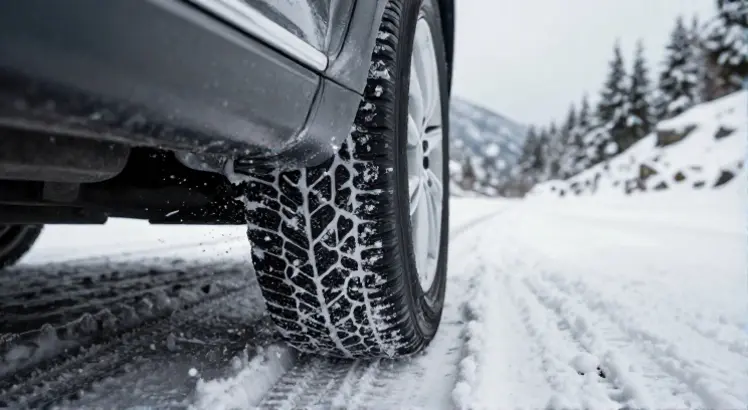
Drivers often ask, are all season tires good in the snow? The quick answer is it depends on the severity of the winter conditions. All season tires are designed for a balance of wet, dry, and light snow performance, but they have clear limitations in heavy snow and icy weather. This article will help you understand when all season tires might be enough, and when you should consider switching to dedicated winter tires for your safety.
What Are All Season Tires?

Crossmax CHTS-1 All-Season
Check PriceAll season tires are built to provide acceptable traction in a variety of conditions, including dry roads, rain, and light snow. They use a moderate tread compound that remains flexible in warm weather but stiffens as temperatures drop. The tread pattern often features small grooves and sipes to channel water and slush away from the contact patch.
Many drivers confuse the M+S (Mud and Snow) marking on all season tires with true winter capability. The M+S symbol simply means the tire has a tread pattern suitable for muddy or lightly snow-covered roads. It does not indicate the rubber compound is designed for severe cold or ice.
To get a tire genuinely rated for severe snow, you need to see the Three-Peak Mountain Snowflake (3PMSF) symbol. Tires with this certification have passed standardized traction tests on medium-packed snow. Some all season tires carry it, but most do not. Understanding these markings is the first step in answering the question, are all season tires good in the snow for your specific driving needs.
How Do All Season Tires Handle Light Snow?

Fullway HP108 All-Season
Check PriceIn light, fluffy snow up to about an inch, a new or nearly new all season tire can provide adequate traction. The tread blocks and sipes can bite into the snow and maintain a reasonable grip if you accelerate gently and brake early. Suburban and urban roads that are quickly plowed also reduce the strain on all season tires.
However, even in light snow, the performance gap between a dedicated winter tire and an all season tire becomes noticeable. Stopping distances increase, and cornering stability drops. If you drive cautiously, you can manage, but you should never expect the same security a winter tire would deliver.
The Real Limitations of All Season Tires in Winter

Goodyear Assurance Finesse All-Season 225/65R17
Check PriceWhen snow deepens, ice forms, or temperatures plummet, all season tires struggle significantly. The rubber compound hardens below 45 degrees Fahrenheit (7 degrees Celsius). Once the rubber stiffens, it cannot conform to the microscopic texture of the road, and grip falls off sharply on frozen surfaces.
Here are the key winter drawbacks you should know:
- Longer braking distances: Testing by automotive organizations shows all season tires can take 30 to 50 percent longer to stop on packed snow and ice compared to winter tires.
- Poor ice traction: All season treads lack the high-density siping and specialized compounds that bite into ice. On a frozen patch, loss of control happens much faster.
- Reduced snow evacuation: The tread grooves on all season tires are not deep enough or wide enough to clear heavy, wet snow efficiently. The tire can get packed and turn into a slick.
- Unpredictable handling in slush: Slush is a mix of water, snow, and ice. All season tires often hydroplane on slush because the treads cannot channel the heavy slurry away quickly enough.
For many drivers, these limitations turn a manageable commute into a stressful, dangerous drive. If your local winters consistently bring hard-pack snow, repeated freeze-thaw cycles, or unplowed secondary roads, all season tires are not a safe long-term solution. In such conditions, even well-regarded top-rated all-season tires with winter capabilities may still fall short of what true winter rubber provides.
All-Season vs All-Weather Tires: A Crucial Distinction

Firestone Winterforce 2 Winter/Snow Tire 205/60R16
Check PriceOne of the biggest areas of confusion is the difference between all season and all weather tires. All weather tires are a hybrid category that carries the 3PMSF symbol. Unlike standard all season tires, they use a winter-grade rubber compound that stays flexible and grippy in cold temperatures while still offering a long tread life in the summer.
If you are set on not swapping tires twice a year, an all weather tire might genuinely answer the question, are all season tires good in the snow? In this case, no, but all weather tires can be a responsible middle ground for areas that see moderate, intermittent winter conditions.
Temperature and Tread Depth: The Performance Killers

Set of 4 Mastertrack M-TRAC CUV 225/60R17 Tires
Check PriceTemperature is the biggest enemy of an all season tire’s winter capability. Even on dry, cold pavement, the hard compound reduces road adherence. This becomes critical during emergency maneuvers. According to a detailed winter tire technology explained by Tire Rack, the rubber compounding in winter tires contains higher silica content and special polymers that keep them soft in sub-freezing conditions, something all season tires cannot match.
Tread depth is equally important. An all season tire with 4/32 inch of remaining tread is effectively useless in snow. The shallow grooves cannot hold enough snow to generate the snow-on-snow friction necessary for forward bite. For even remote winter usability, you need at least 6/32 inch of tread depth. Many experts recommend replacing all season tires before they reach the 5/32 inch mark if winter driving is in your plans.
When Can You Safely Use All Season Tires in Snow?
There are a few situations where all season tires might be acceptable in winter. If you live in a region where snow is a rare event, say once or twice a year, and the roads are promptly cleared, then a fresh set of all season tires can get you home safely with cautious driving. Similarly, if you use your car only in urban centers where surface temperatures rarely stay below freezing for long, the risk level is lower.
That said, you must still adjust your driving. Reduce speed by at least 20 percent below the limit in any snow or slush. Avoid sudden steering inputs, and double your following distance. Stay aware that the car will not handle emergency braking or swerving the way it would in dry conditions.
Practical Tips for Winter Driving on All Season Tires
If you decide to stick with all season tires through a mild winter, these steps help maximize your safety margin:
- Check tread depth frequently with a coin or depth gauge. Do not trust your eyes alone. Replace tires that dip below 6/32 inch if any snow is expected.
- Inflate tires to the vehicle manufacturer’s recommended pressure. Cold weather naturally lowers tire pressure, and underinflated tires reduce snow traction and increase hydroplaning risk.
- Accelerate gently from a stop. If your car has a winter or eco driving mode, use it to soften throttle response.
- Practice threshold braking in an empty, snow-covered parking lot to understand how your tires react before you need the skill on a public road.
- Carry an emergency kit with a shovel, traction mats, and even a set of snow socks or chains for unexpected deep snow. Knowing genuine winter tires are the better tool can also guide your future purchase.
When to Upgrade to True Winter Tires
If your winter involves more than an occasional dusting, moving to a dedicated winter tire set is the single best upgrade for safety. Winter tires use softer compounds and aggressive tread patterns with thousands of tiny sipes to grip ice and packed snow. They drastically shorten stopping distances and improve steering response when temperatures stay below 45 degrees.
Some regions even have legal requirements. In parts of Canada and mountainous European areas, winter tires or chains are mandatory during specific months. Always check your local regulations. In the United States, states like California often require chains or traction tires in mountain passes during snow events. All season tires rarely meet the traction tire legal threshold unless they carry the 3PMSF symbol.
Cost vs. Safety: A Realistic Look
A common objection to winter tires is the upfront cost of a second set and seasonal mounting. However, using winter tires extends the life of your all season tires, because each set wears only part of the year. Over a few seasons, the cost difference is negligible compared to a single accident’s deductible and repair bill. More importantly, the improved control can prevent a life-threatening crash.
Frequently Asked Questions
Can I drive in snow with all season tires?
You can drive in light snow with all season tires that have sufficient tread depth and a cautious driving style. However, they are not designed for heavy snow, deep slush, or ice. Stopping distances will be much longer, and the risk of losing control is higher compared to winter tires.
At what temperature do all season tires lose grip?
All season tire rubber starts to stiffen significantly when the temperature drops below 45 degrees Fahrenheit (7 degrees Celsius). Below freezing, the reduction in flexibility causes a noticeable loss of traction on dry, wet, and snowy surfaces. Winter tires remain pliable well below zero.
Are all season tires good for ice?
No, all season tires are not good for ice. They lack the specialized biting sipes and soft rubber compounds needed to anchor on icy surfaces. On glare ice, even the best all season tire will behave poorly. Dedicated winter tires or studded tires are the only reliable option for repeated icy conditions.
What is the Three-Peak Mountain Snowflake symbol?
The Three-Peak Mountain Snowflake (3PMSF) symbol indicates a tire has passed a performance-based traction test on medium-packed snow. Tires with this symbol, such as many all weather and winter tires, meet a minimum standard for severe snow service. Most all season tires do not carry this mark.
Conclusion
So, are all season tires good in the snow? They can handle an occasional dusting on flat, well-maintained roads, but they fall short in any serious winter weather. The rubber compound’s sensitivity to cold, combined with limited tread designs, makes them a compromise that carries real safety risks once snow accumulates or ice forms.
If you live in a region with regular snowfall, prolonged freezing temperatures, or icy mornings, investing in a dedicated winter tire set is the smartest move. For drivers who rarely face more than a light flurry, staying with all season tires may be acceptable, provided you maintain deep tread, check pressure, and adapt your driving. Always prioritize the conditions you actually face, not just the convenience of a one-tire solution. Your safety, and the safety of everyone sharing the road, is worth the right rubber.