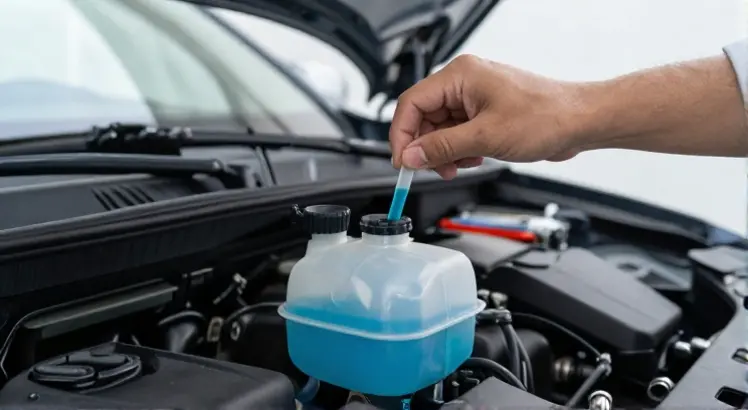
Keeping your windshield clean is not just about good wipers, it starts with the fluid that helps wash away grime, bugs, and road salt. Many drivers only realize their washer fluid is empty when the nozzles sputter mid-drive. Learning how to check wiper fluid regularly keeps you out of dangerous visibility situations and protects your wiper pump from unnecessary wear.
This guide walks you through every step, from spotting early warning signs to topping off the reservoir with the right product. Whether you are a new car owner or an experienced driver looking to improve your vehicle maintenance routine, these practical tips will help you maintain a crystal clear view of the road ahead.
Why Checking Wiper Fluid Matters

ABRO Windshield Washer Fluid Ready to Use Formula
Check PriceWindshield washer fluid does more than just remove water spots. It contains detergents and alcohols designed to cut through oily road films, dried insect residue, and winter ice. When the reservoir runs dry, you risk smearing grime across the glass, scratching the windshield with dirty wiper blades, and overheating the washer pump, which relies on fluid for cooling and lubrication.
Regularly checking the level also helps you catch slow leaks early. A cracked reservoir or a loose hose can drain fluid without obvious dripping on the garage floor. Incorporating a quick check into your monthly routine prevents unexpected empty tanks during commutes or long road trips.
Signs You’re Low on Washer Fluid

Prestone Bug Wash Windshield Washer Fluid
Check PriceMost modern vehicles have a dashboard warning light that illuminates when windshield washer fluid dips below the sensor level. However, sensors can fail or your car might not be equipped with one. Knowing the physical signs helps you catch a low reservoir before the warning system alerts you.
- Weak or inconsistent spray: The nozzles sputter, the stream barely reaches the glass, or only one side sprays.
- Pump whining noise: You hear a high-pitched electric whine but no fluid comes out whenever you activate the washers.
- Visible low level in translucent tanks: Many cars have a semi-clear reservoir with minimum and maximum marks you can see without opening the cap.
- Streaky windshield after spraying: If the glass looks worse after using the wipers, you might be spraying mostly air instead of cleaning solution.
- Frozen fluid in winter: Water-based or summer fluid can freeze, blocking lines and giving the false impression of an empty tank.
How to Check Wiper Fluid Level: Step-by-Step

Rain‑X 2 in 1 All Season Washer Fluid (–25°F)
Check PriceChecking your wiper fluid is one of the simplest underhood inspections you can perform. It takes less than a minute and requires no tools. Follow these steps to ensure you always have enough fluid ready.
1. Park on Level Ground and Open the Hood
Make sure your engine is off and the car is parked on a flat surface. An angled surface can shift the fluid away from the measuring marks and give you a false reading. Pull the hood release lever inside the cabin, then release the safety latch under the front edge of the hood and secure it with the prop rod.
2. Locate the Washer Fluid Reservoir
The windshield washer reservoir is typically a translucent plastic tank with a cap marked by a windshield symbol, often showing two wavy lines representing sprayed water. In most vehicles, it sits near the firewall on the passenger side or beside the coolant overflow tank. If the cap is missing its symbol, look for a bright-colored fluid, usually blue, green, or orange, inside the tank.
If you have trouble finding it, your owner’s manual will show the exact location. Some European cars hide the reservoir deep inside the fender, while many trucks place it on the driver’s side near the master cylinder.
3. Check the Fluid Level Visually
Many reservoirs have molded-in minimum and maximum lines on the side. If the tank is dirty or not translucent, unscrew the cap and peer inside with a flashlight. In most designs, you can also spot a dipstick built into the cap or a short fill neck that lets you see the fluid surface directly.
Fluid should sit between the low and full marks. If it is at or below the minimum line, it is time to top up. Going below the minimum increases the chance of drawing air into the pump, which can lead to premature wear and inconsistent spray.
4. Inspect the Fluid Condition
Old washer fluid can develop a foul smell or become cloudy if contaminants enter the system. Look for debris floating in the tank or a gelatinous buildup around the fill neck. If the fluid smells rotten or appears to have algae growth, consider flushing the reservoir with clean water before refilling.
5. Close Everything Securely
After the check, press the cap firmly back into place until it clicks. A loose cap lets washer fluid evaporate faster and can allow dust or debris into the system. Lower the hood and confirm it latches completely before you drive.
How to Refill Washer Fluid Properly

UCS Windshield Washer Fluid 2‑in‑1 Bug Remover
Check PriceOnce you determine your fluid is low, topping it off correctly matters as much as checking it. Using the wrong product, especially in colder months, can freeze lines and crack the reservoir.
Choose the Right Washer Fluid
Pick a formula that matches your climate and driving conditions. All-season fluids handle moderate temperatures and general cleaning. For winter, you need a de-icing fluid with a low freezing point, rated well below zero degrees Fahrenheit. Bug-remover variants include extra detergents for summer driving. Avoid using plain water, which lacks cleaning agents, encourages bacterial growth, and freezes easily.
If you are unsure which product suits your vehicle, check our guide on choosing the right windshield washer fluid. The right fluid can make a dramatic difference in cleaning performance and pump longevity.
Fill Without Overfilling
Pour the fluid slowly into the fill neck until it reaches the maximum line. Most reservoirs hold roughly one gallon. If you overfill, fluid may spill out of the vent and drip onto hot engine parts, producing a strong chemical smell that can enter the cabin through the vents.
Wipe away any spills with a rag immediately. Concentrated washer fluid can damage paint if left to dry. Wash your hands after handling fluid as it often contains methanol or other irritants.
Common Mistakes to Avoid When Checking and Filling

Prime Guard +32°F Power Blast Blue Windshield Washer Fluid
Check PriceMany well-meaning drivers inadvertently create problems while trying to maintain washer fluid. Avoid these errors to keep your system healthy.
- Pouring fluid into the wrong reservoir: Mistaking the coolant overflow tank or brake fluid reservoir for the washer tank leads to costly repairs. Always confirm the windshield symbol.
- Using dish soap or homemade mixtures: Household cleaners can foam excessively inside the lines and leave a film that blurs the windshield more than it cleans.
- Ignoring clogged nozzles: Low fluid is not the only reason for a weak spray. Use a small pin to clear nozzle holes while the pump runs at a low setting. If the nozzles are plugged, even a full tank will not spray correctly.
- Mixing incompatible fluids: Some specialty winter fluids are not mean to be mixed with summer bug wash. Gelling can occur in the tank and clog the system.
- Skipping the filter screen: Many reservoirs have a small mesh screen at the fill neck. Check it for debris before pouring fresh fluid in.
Seasonal Wiper Fluid Tips

UltraVision Windshield Washer Fluid Ready‑to‑Use +32°F
Check PriceYour checking routine should adapt to the seasons. In spring and summer, pollen and insects demand more frequent fluid usage, so check the level every two weeks. In autumn, falling leaves and dust can dirty the windshield quickly. Before winter, drain any remaining summer fluid and replace it with a low-temperature rated de-icer fluid.
In freezing climates, even the best fluid can lose effectiveness if the wiper blades are worn. Ice chunks on old blades tear the rubber and reduce contact. Consider linking washer fluid upkeep with wiper blade replacement. For help selecting blades, read our article on installing fresh wiper blades that work in harmony with your fluid.
For a deeper understanding of proper maintenance intervals, the AAA guide to car fluid maintenance offers trusted advice backed by automotive experts.
Frequently Asked Questions

Clean Revolution Advanced All Season Washer Fluid (–27°F)
Check PriceHow often should I check my wiper fluid?
Inspect the reservoir every two weeks during daily driving and before any long trip. Seasonal conditions like heavy pollen or winter salt loads call for weekly checks. The process takes seconds and it is easy to pair with a routine oil level check.
Can I use water instead of washer fluid in an emergency?
Plain water can work briefly in warm weather to get you home, but it will not clean oily film effectively and it will freeze once temperatures drop. Repeated use encourages algae inside the tank. Carry a gallon of proper fluid in your trunk so you never rely on water.
Why does my washer fluid smell bad?
A sour or musty smell usually means bacterial or mold growth inside the reservoir, often from using water or leaving the cap loose. Flush the system with a mixture of water and a small amount of white vinegar, then rinse thoroughly before refilling with fresh fluid.
What should I do if the fluid is full but the sprayers still do not work?
First, check the nozzles for clogs using a fine pin. If they are clear, listen for the pump sound when you activate the washers. No sound suggests a blown fuse, a failed pump, or a wiring issue. A buzzing or humming without spray indicates a blockage in the hose or a failing pump.
Is it safe to mix different brands of washer fluid?
Most conventional all-season fluids can be mixed without adverse reactions. However, some premium winter formulas contain additives that may react with standard summer bug wash and create gel-like clumps. To stay safe, finish one type before switching, or flush the reservoir with distilled water between seasonal changes.
Conclusion
Now that you know how to check wiper fluid, you can prevent those sudden moments of blurred vision that compromise safety. A quick glance under the hood every couple of weeks and a mindful choice of fluid keep both your windshield and your washer pump in top condition.
Make this small habit part of your regular car care routine alongside oil checks and tire inspections. Pay attention to seasonal needs, keep your nozzles clean, and never pour fluid into the wrong reservoir. With these simple steps, you will always have a clear view ahead, no matter what the road throws at your windshield.