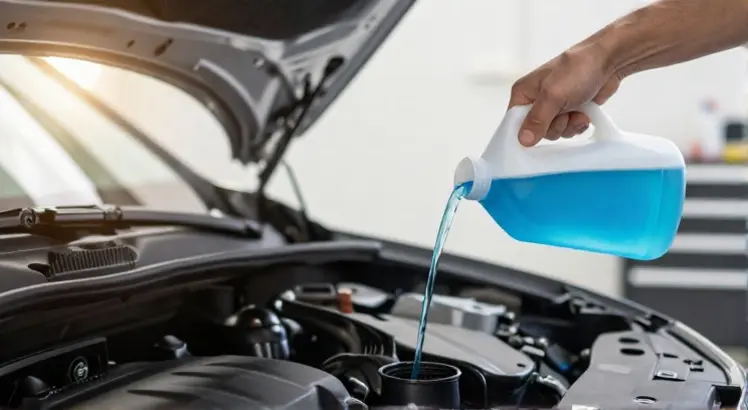
Learning how to use windshield wiper fluid correctly is one of the simplest yet most overlooked parts of vehicle maintenance. You rely on clear visibility to stay safe, and that little blue or orange liquid inside your car’s reservoir plays a massive role. Whether you are topping off the tank or filling it from empty, doing it right prevents streaks, frozen nozzles, and damage to your washer system. This guide shows you exactly how to add windshield wiper fluid, what type to choose, and how to keep your system working in every season.
Many drivers grab the first jug they see at a gas station without realizing there is a big performance gap between products. By the end of this article, you will know how to refill your windshield washer fluid like a pro and how to avoid common mistakes. You will also see why pairing the right fluid with quality wiper blades gives you a streak-free windshield every time. Let us start with the basics and then get into the details that make a real difference.
Locating the Windshield Washer Fluid Reservoir

ABRO Windshield Washer Fluid Ready to Use Formula
Check PriceYour first step is finding the windshield washer reservoir under the hood. The reservoir is a translucent plastic tank, often white or semi-clear, with a symbol on the cap that looks like a windshield with wiper streaks or a water fountain. On most cars, the tank sits near the firewall on the driver’s side or alongside the fender, but the exact spot varies by make and model.
Pop the hood and secure it with the prop rod or hood strut. Look for a cap that is not connected to the engine oil, coolant, or brake fluid reservoirs. The washer fluid cap usually lifts off by hand without tools, and it is often marked with a windshield icon or the words Washer Fluid Only. If you are uncertain, consult your owner’s manual before pouring anything in.
Once you identify the tank, inspect the fluid level. Many reservoirs have Full and Low markings on the side. If you can see the fluid level through the plastic, great. If not, you can use a clean dipstick or simply open the cap and look inside. In most situations, you will notice the fluid is low long before the dashboard warning light tells you.
Choosing the Right Windshield Wiper Fluid

Prestone Bug Wash Windshield Washer Fluid
Check PriceBefore you pour, pick a formula matched to your climate and driving conditions. Windshield washer fluid comes in several types, and using the wrong one can lead to frozen lines in winter or ineffective cleaning in summer. When you are looking at options, it helps to reference a guide on the best windshield washer fluid to compare bug removers, de-icers, and all-season blends.
All-Season and Concentrated Formulas

Rain‑X 2 in 1 All Season Washer Fluid (–25°F)
Check PriceAll-season windshield washer fluid is the most common choice and works well for mild temperatures. It contains detergents and a small amount of alcohol to prevent freezing down to roughly 20 degrees Fahrenheit. If you live in an area with harsh winters, you will want a winter formula rated for negative temperatures, often called de-icer washer fluid. These formulas contain higher concentrations of methanol or ethanol to keep the fluid from freezing on the windshield.
Concentrated washer fluid is another option that lets you mix the correct amount of solution with distilled water. It saves shelf space and reduces plastic waste, but you must follow the mixing ratios exactly. Using too much water weakens the cleaning power and raises the freezing point significantly. For most drivers, pre-mixed jugs are the most convenient and least error-prone choice.
Summer Bug Wash and Specialty Fluids

UCS Windshield Washer Fluid 2‑in‑1 Bug Remover
Check PriceIn warmer months, bugs, tree sap, and road grime stick to the glass stubbornly. A summer bug wash formula contains extra detergents and enzymes that break down organic matter fast. This helps your wipers clear the glass in one or two passes, reducing smearing. Some formulas also add rain repellents that bead water off the windshield, an effect similar to a ceramic glass coating but dissolved directly in the fluid.
There are also water-repellent fluids that create a hydrophobic layer. While these are helpful, they must be compatible with your wiper blades to avoid chatter. Always check bottle labels for compatibility notes. If you have questions, a discussion about choosing the right wiper blades for your climate can guide you toward a system that works together smoothly.
How to Add Windshield Wiper Fluid Step by Step
Now that you have the right fluid, let us walk through the refill process. Even if you are a first-time car owner, the task takes less than five minutes. Follow these steps carefully to avoid spills or accidental contamination of other engine bay fluids.
- Park your vehicle on a level surface, turn off the engine, and let the engine bay cool down for a few minutes if you just drove. You do not want to work near hot engine components with a bottle of flammable washer fluid.
- Open the hood and locate the washer fluid reservoir cap. Clean any dirt or debris from around the cap with a rag to prevent contaminants from dropping into the tank.
- Remove the cap slowly. Some caps have a small vent; others simply pull off. Set the cap in a safe, clean spot where it will not fall into the engine bay.
- Use a funnel if the reservoir opening is narrow or tucked under a cowl. A funnel prevents spillage that can attract dirt and cause unpleasant odors when the engine warms up.
- Pour the windshield wiper fluid into the reservoir until it reaches the Full line or the bottom of the filler neck, whichever comes first. Avoid overfilling because heat expansion can push fluid out of the cap, creating a mess.
- Replace the cap firmly, wipe away any drips with a clean cloth, and close the hood securely.
After filling, get in the car and activate the windshield washers a few times. This primes the system and pushes any trapped air out of the lines. If the spray is weak at first, that is normal, just run the pump in short intervals until the spray pattern becomes strong and even. Performing this simple check right away confirms the fluid is reaching the nozzles properly.
Using Windshield Wiper Fluid While Driving

UltraVision Windshield Washer Fluid Ready‑to‑Use +32°F
Check PriceKnowing how to use windshield wiper fluid is not just about filling the tank, it is also about activating it at the right moments. Most vehicles have a washer control on the right-hand stalk behind the steering wheel. Pull the stalk toward you (or push a button on the end) and the system sprays fluid onto the windshield while the wipers automatically swipe a few times.
For the cleanest results, only spray when the car is moving at moderate speed. The airflow helps spread the fluid evenly across the glass. If you spray while stationary, the fluid can puddle and cause temporary smearing until the wipers clear it fully. Avoid using the washer when the windshield is coated with heavy mud or sand, as this can scratch the glass. Pre-rinse heavy debris with plain water first if possible.
Using Washer Fluid on Rear Windows and Headlights
Many SUVs, hatchbacks, and wagons have a rear windshield washer. The control is typically a twist of the wiper stalk or a separate button on the dash. The process is identical, just confirm the fluid level covers both front and rear systems before a long trip. Some luxury cars also include headlight washers that spray fluid onto the headlight lenses. These systems use the same reservoir and pump, so they draw from the same tank.
If your vehicle has headlight washers, use them periodically in winter when road salt builds up on the lenses. The cleaning action restores light output and improves nighttime visibility. Just be mindful that headlight washers consume fluid faster than you might expect, so check the level more often during slushy months.
Seasonal Windshield Washer Fluid Tips

Clean Revolution Advanced All Season Washer Fluid (–27°F)
Check PriceChanging seasons demand a change in how you use windshield wiper fluid. Summer and winter fluids are not interchangeable, and a frozen washer system can leave you blinded on a snowy highway. Plan a transition around October and April to make sure the fluid inside the reservoir matches the weather.
Winter Windshield Washer Fluid Best Practices
- Use a winter de-icer fluid with a freezing point of at least negative 20 degrees Fahrenheit. Lower ratings are even safer in extreme cold.
- Before the first freeze, run the summer fluid out of the system completely, not just the tank. Spray the washers until the fluid stops flowing to clear the lines.
- Keep an extra gallon of winter formula in your trunk. Long highway drives through slush use fluid quickly, and running out is a safety hazard.
- Never use plain water as windshield wiper fluid in winter. It freezes almost instantly and can crack the reservoir or pump.
Another tip is to warm the fluid slightly before pouring if the jug has been sitting in a freezing garage. You can bring it inside the house for an hour. This helps the new fluid mix with any remaining liquid in the tank more quickly, reducing the chance of localized freezing near the nozzles.
Summer Maintenance for Washer Systems
Warm weather brings dust, pollen, and baked-on bug splatter. A good bug wash formula cuts through that grime faster than standard fluid. Also check the rubber hoses that connect the reservoir to the spray nozzles once a year. Heat can cause cracks or leaks that sap spray pressure. Finally, aim your nozzles if you notice fluid hitting too low or high on the glass. Most nozzles adjust with a pin or a small tool.
Common Mistakes When Using Windshield Wiper Fluid
Even experienced car owners sometimes make errors that harm the washer system or reduce visibility. Recognizing these pitfalls keeps your setup running reliably for years.
- Using dish soap and water instead of real windshield wiper fluid: Dish soap can foam excessively, leave a film, strip protective waxes, and damage paint and rubber seals. Real fluid contains anti-corrosion agents and is formulated to evaporate cleanly.
- Mixing incompatible chemical formulas: Combining a summer bug wash with a heavy de-icer can cause gel-like clogs in the pump filter. Stick to one type at a time or run one completely out before switching.
- Ignoring a clogged nozzle: If the spray is weak or misdirected, clean the nozzle jets with a sewing needle and compressed air. A clogged nozzle forces the pump to work harder and reduces fluid efficiency.
- Overfilling the reservoir: Fluid expands with heat, and overfilling leads to seepage from the cap that attracts dirt and can fool you into thinking you have a leak.
Environmental and Safe Disposal Notes
Windshield wiper fluid contains methanol, ethylene glycol, or other alcohols that are toxic to pets, wildlife, and water sources. Never drain old washer fluid onto the ground or into a storm drain. If you need to empty the reservoir to switch formulas, collect the old fluid in a clean container and take it to a local household hazardous waste facility. Many auto parts stores also accept used fluids for recycling.
Store partially used jugs tightly sealed and upright in a cool, dry area away from children and animals. The bright colors appeal to smaller kids, so treat washer fluid with the same caution as any automotive chemical. Following these practices aligns with a responsible, safety-first approach to car care, something the experts at guide on refilling windshield wiper fluid also emphasize.
Troubleshooting Washer Fluid Problems
Occasionally, you will pull the stalk and hear the pump motor but see no fluid. Several issues can cause this beyond an empty tank. A kinked hose, a clogged inline filter at the pump inlet, or a disconnected line near the hood hinge are frequent culprits. Check the hoses by following them from the reservoir to the nozzles. If a line has simply popped off, you can press it back onto the fitting and secure it with a small zip tie if needed.
If the pump is silent, check the fuse for the washer pump in the under-dash or under-hood fuse box. Replacing a blown fuse is inexpensive and often solves the problem. A pump that groans but does not spray may be failing or filled with frozen fluid. Thaw the vehicle in a heated garage and drain the old fluid before refilling with a strong winter formula. In many cases, the pump will recover once the ice melts and fresh fluid passes through.
Making Your Own Windshield Wiper Fluid at Home
You can create a basic windshield washer solution if you are in a pinch, but always do so with care. A common homemade mix uses one part distilled water to one part 70 percent isopropyl rubbing alcohol, plus a couple of drops of mild liquid dish soap. This mixture cleans well and lowers the freezing point, but it lacks the anti-corrosion additives and surfactants found in commercial fluids.
Be cautious with homemade fluids in vehicles that have rain-sensing wipers or sensitive paint finishes. The alcohol content can strip wax and dull clear coat over time if it drips onto the hood. For everyday use, a store-bought formula verified in a comprehensive best windshield washer fluid roundup is the smarter, safer investment. Treat DIY mixes as a temporary fix only.
Frequently Asked Questions
Can I pour windshield wiper fluid into an empty reservoir without causing damage?
Absolutely. The system is designed to run dry and refilling an empty tank is completely safe. After refilling, just run the pump in short bursts until fluid reaches the nozzles. Running the pump continuously for more than 10 seconds when empty can overheat it, so intermittent cycles are best.
What happens if I accidentally put windshield wiper fluid in the coolant reservoir?
This is a serious mistake. Do not start the engine. The washer fluid will contaminate the coolant and can cause sludge, corrosion, and overheating. You need to drain the cooling system completely and flush it with distilled water before refilling with the proper coolant. Seek professional help if you are not comfortable doing this yourself.
How often should I refill my windshield washer fluid?
There is no fixed interval, it depends on how frequently you wash your windshield. Check the fluid level whenever you check your oil, roughly every two to four weeks. During winter or a long road trip, check it weekly since you will use it far more often.
Can I mix summer and winter windshield wiper fluid?
You can mix them, but the result will be a diluted version of both. If you pour a summer formula rated to 20 degrees Fahrenheit into a half-full tank of winter fluid rated to minus 30 degrees, the mixed freezing point will rise. It is safer to use the summer fluid completely, then fill with winter fluid so you know the exact protection level.
Why does my windshield wiper fluid smell bad?
A foul odor usually indicates bacterial growth inside the reservoir, often caused by using plain water or a very diluted homemade mix. The fix is to drain the reservoir, flush it with a mixture of water and a small amount of bleach or vinegar, rinse thoroughly, and refill with a quality commercial fluid that contains anti-microbial additives.
Conclusion
Knowing how to use windshield wiper fluid goes beyond opening a cap and pouring. It means selecting the correct formula for the season, filling the reservoir without spills, and using your washers in a way that maximizes visibility while keeping your wiper blades in shape. When you pair this habit with well-chosen wiper blades, you set yourself up for a crystal-clear view in rain, snow, and blazing sun.
Check your fluid level regularly and swap formulas before the seasons change. If you ever feel unsure, revisit the steps in this guide and keep a spare jug of the right fluid in your trunk. A tiny bit of maintenance here pays off every mile you drive.