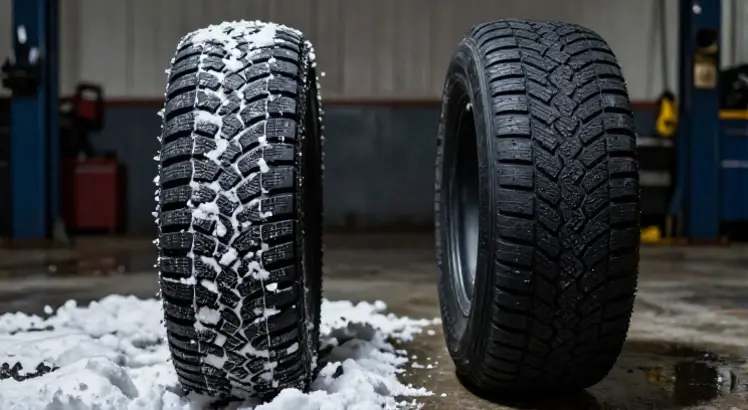
Choosing between winter tires and all season tires can feel overwhelming, especially if you live in a region with changing weather. The right choice impacts your safety, handling, and even fuel economy. Many drivers assume all season tires are enough for year round use, but that is not always true. This guide breaks down the winter tires vs all season debate so you can drive with confidence, no matter the road conditions.
We will look at how these two tire types differ in rubber compounds, tread patterns, and real world performance. By the end, you will know exactly when all season tires fall short and when winter tires are a must. You will also learn cost considerations and seasonal swapping strategies to get the most value from your tires.
What Are All Season Tires?

Crossmax CHTS-1 All-Season
Check PriceAll season tires are designed to deliver a balanced performance across dry, wet, and light winter conditions. Manufacturers engineer them with a tread compound that stays flexible in moderate temperatures while resisting rapid wear in summer heat. The tread patterns feature moderate void ratios to channel water away and reduce hydroplaning risk, without the aggressive biting edges found on dedicated winter tires.
In most passenger cars and SUVs, all season tires come as original equipment. They work reasonably well in temperatures above 7 degrees Celsius (45 degrees Fahrenheit). Once the mercury drops consistently below that threshold, the rubber starts to stiffen, and the tire loses its ability to grip cold pavement effectively. This is where the winter tires vs all season comparison becomes critical for safety.
All season tires carry an M+S (Mud and Snow) rating on the sidewall, which indicates some capability in slush and light snow. However, this rating is based on a simple geometric test, not rigorous ice or snow traction trials. For drivers in mild climates who rarely encounter deep snow or ice, a high quality all season tire can be a practical year round solution.
What Are Winter Tires?

Lexani Quattro Tempo Tour AW All Weather P225/50R17 98V Passenger Tire
Check PriceWinter tires, often called snow tires, are purpose built for cold weather, snow, and ice. Their rubber compound contains a higher percentage of natural rubber and advanced polymers that stay soft and pliable even in sub zero temperatures. This flexibility lets the tread grip frozen surfaces far better than all season tires ever could.
The tread design on winter tires is radically different. You will notice deep grooves, wide channels, and thousands of tiny slits called sipes. Those sipes bite into snow and ice, creating thousands of biting edges. The tread also has aggressive patterns that pack snow into the grooves, and snow on snow actually provides better traction than rubber on snow. If you face harsh winters, investing in a set of winter tires is a game changer.
Look for the Three Peak Mountain Snowflake (3PMSF) symbol on the sidewall. This symbol indicates the tire met a strict performance threshold in snow traction testing. While some all season tires now carry the 3PMSF mark, dedicated winter tires still outperform them on ice and in extreme cold. For a detailed look at top winter options, check our list of top-rated winter tires for cars.
Key Differences: Winter Tires vs All Season

Eternopresa 225/60R17 99V Tire
Check PriceRubber Compound and Temperature Sensitivity
The most important difference sits inside the rubber. All season tires use a compound optimized for a broad temperature range, but they start to harden below 7 degrees Celsius. Winter tires use a silica rich, cold optimized compound that stays flexible down to minus 30 degrees Celsius or lower. This flexibility is what gives winter tires their superior cold weather grip and shorter braking distances on icy roads.
When the rubber in an all season tire stiffens, the contact patch shrinks and loses micro level adhesion. Winter tires maintain a larger, more consistent footprint because the tread conforms to pavement imperfections even in freezing weather. That is why the winter tires vs all season discussion always starts with the 7 degree Celsius rule.
Tread Design and Siping
All season tires feature moderate tread blocks and fewer sipes, which keeps them quiet and fuel efficient on dry highways. Winter tires, however, use high density siping patterns and deeper tread depths. Some winter tires have 20 to 30 percent more sipes than all season models, giving them a decisive edge when stopping on ice.
The directional tread of many winter tires also helps evacuate slush and water rapidly, reducing the risk of hydroplaning on melting snow. All season tires handle rain well enough, but deep slush can overwhelm their shallower grooves. For a broader comparison of snow capable options, see all-season tires that perform well in light snow.
Braking and Handling on Ice and Snow
Ferentino Eternopresa 225/60R17
Check PriceIndependent tests routinely show that winter tires stop significantly shorter on ice and packed snow. In many cases, a car on winter tires can come to a complete stop from 30 km/h (20 mph) up to 10 meters (30 feet) sooner than the same car on all season rubber. That can be the difference between a close call and a collision.
Handling also improves dramatically with winter tires. Cornering grip and lateral stability on slick roundabouts or off ramps give drivers more control. According to the NHTSA winter driving safety page, equipping your vehicle with tires suited for snow and ice is one of the most effective ways to prevent cold weather crashes. The data backs up what mountain and northern drivers have known for decades.
Dry and Wet Performance in Mild Weather
All season tires hold an advantage on cold, dry pavement when temperatures hover just above freezing. They tend to offer slightly better steering response and less tread squirm compared to softer winter tires. On wet roads above 7 degrees Celsius, all season tires also typically stop a bit shorter because their compound is not too soft.
Winter tires, with their deep aggressive tread, can feel vague and noisy on warm dry highways. Running them in summer temperatures accelerates wear dramatically, sometimes wearing out in a single warm season. This is why most experts recommend swapping back to all season or summer tires once winter ends.
Cost Comparison and Long Term Value
A full set of winter tires mounted on a second set of wheels may cost more upfront, but it extends the life of your all season set. You share the mileage across two sets, so both last longer. Over a typical five year ownership period, many drivers find the overall tire cost comparable to replacing a single all season set more frequently.
Insurance companies in some regions offer discounts for using winter tires. The safety benefit also lowers your risk of an at fault collision, potentially saving you thousands in deductibles and premium hikes. When you weigh winter tires vs all season purely on price, factor in these hidden savings.
When All Season Tires Are Enough

Hankook Kinergy ST H735
Check PriceDrivers in the southern United States or coastal areas that rarely see snow or prolonged freezing temperatures can rely on high quality all season tires year round. If your winter means only occasional frost on the windshield and cold rain, the winter tires vs all season decision tips toward all season convenience.
Look for all season tires with the Three Peak Mountain Snowflake symbol if you want a slight winter safety boost without switching tires. Some premium touring all season tires now deliver surprisingly good light snow traction. Just remember, their ice performance still lags far behind a true winter tire.
When Winter Tires Are Absolutely Necessary
Lexani Quattro Tempo Tour AW All Weather P185/55R16 83H Passenger Tire
Check PriceIf you regularly drive in temperatures below 7 degrees Celsius, face unplowed roads, or cross mountain passes, winter tires are not a luxury, they are essential. The rubber technology and tread design give you a safety margin that no all season tire can match on ice or hard packed snow. Emergency maneuvers, sudden stops, and hill starts all demand the predictable grip of winter rubber.
Fleet operators and families traveling with children should especially consider dedicated winter tires. The added confidence behind the wheel reduces stress and fatigue during long winter drives. In Canadian provinces and northern U.S. states, winter tire usage is woven into the driving culture for good reason.
Mixing Tire Types: A Dangerous Mistake
You should never mix winter and all season tires on the same vehicle unless you install them in matched pairs on the same axle, and even then, it is a compromise. Different grip levels front to rear can cause unpredictable handling and spin outs. If you commit to winter tires, install a full set of four to maintain balanced braking and cornering behavior.
Some drivers try to save money by putting winter tires only on the drive wheels. This creates a dangerous mismatch where the non drive axle lacks the traction to keep the car stable. Your vehicle’s stability control and ABS can only do so much when the tires provide wildly different grip.
Storage and Seasonal Swapping Tips
Owning two sets of tires means you need a plan for storage. Store unmounted tires in a cool, dry, dark place, ideally in airtight bags. Stack them flat or stand them upright, but avoid hanging them. Mark each tire’s position with chalk or a label so you can rotate them properly the next season.
If you use a second set of wheels, swapping is a simple DIY job with a jack and torque wrench. Even if you pay a shop, the swap usually costs less than remounting and balancing tires twice a year. The convenience of a dedicated winter wheel set often pays for itself in saved time and mounting fees.
Environmental Factors to Consider
Winter tires contribute to slightly higher fuel consumption in cold months because of their aggressive tread and softer compound. However, the safety benefit far outweighs the marginal fuel penalty. All season tires, being less rolling resistant, may save a tiny amount of fuel during winter, but they sacrifice grip that you cannot regain with careful driving.
Some regions now promote all weather tires, a hybrid category bearing the 3PMSF symbol and offering year round capability. These split the difference between winter and all season tires, but they still do not match a dedicated winter tire on sheer ice. If you rarely encounter severe winter conditions, all weather tires might be a practical compromise.
Frequently Asked Questions
Can I use all season tires in snow driving?
All season tires can handle light snow if you drive cautiously, but they lack the deep sipes and soft compound needed for hard packed snow or ice. In a moderate to heavy snowstorm, all season tires will struggle to provide reliable traction. If you face regular snowfall, winter tires are the safer choice.
How long do winter tires last compared to all season?
Winter tires typically last four to six winter seasons when used only in cold months and stored properly. All season tires may last five to seven years depending on driving habits and climate. Sharing mileage between two sets extends the life of both, making the long term cost quite similar.
Do all season tires lose grip in cold temperatures?
Yes, the compound in standard all season tires hardens below 7 degrees Celsius, reducing traction even on dry pavement. You might not notice it during gentle driving, but emergency braking distances increase significantly. If your area experiences prolonged cold spells, winter tires give a noticeable safety advantage.
Are winter tires noisy on dry highways?
Modern winter tires are much quieter than older designs, but they still produce a low hum due to aggressive tread blocks. At highway speeds, the noise is noticeable but not intrusive. The compromise in sound is a small price for the added grip when snow and ice appear.
Can I drive winter tires all year to save money?
It is not recommended. The soft compound wears extremely fast on warm, dry roads, and the deep tread reduces fuel economy. You would likely wear out a set of winter tires in a single summer. Rotating between two dedicated sets is the most cost effective strategy in the long run.
Conclusion
The winter tires vs all season choice ultimately comes down to your local climate and driving demands. If you experience genuine winter with freezing temperatures, snow covered roads, and ice, dedicated winter tires are an unbeatable safety investment. They provide the grip, stopping power, and control that all season tires simply cannot deliver when the mercury plummets.
All season tires remain a practical, budget friendly option for mild winters and regions with only occasional flurries. Whichever path you choose, never underestimate the importance of matching your tires to the season. Good rubber keeps you, your passengers, and everyone else on the road safer. Check your local weather patterns, assess your risk tolerance, and make your tire decision before the first frost arrives.