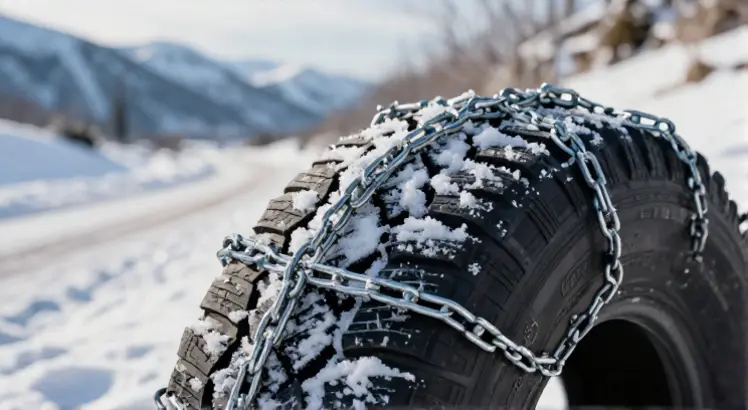
If you have ever faced icy mountain passes or sudden heavy snow, you have probably asked yourself: what are snow chains for tires? They are one of the most reliable pieces of winter driving equipment you can carry. These traction devices wrap around your drive wheels, biting into snow and ice to give you control when all-season tires fall short. In this guide, we will break down exactly how they work, when to use them, the different styles available, and how they compare to newer alternatives like snow socks. We will also cover installation basics, legal rules, and practical driving tips so you can feel confident the next time winter weather turns nasty.
Whether you are a new driver planning a ski trip or a seasoned truck owner hauling loads through the mountains, understanding tire chains matters. They can be the difference between reaching your destination safely and being stuck on the side of the road. Let’s start with a clear, no-nonsense explanation of what these devices really are.
What Are Snow Chains for Tires?

SCC 0232805 Auto-Trac Light Truck/SUV Tire Traction Chain – Set of 2
Check PriceSnow chains, also called tire chains, are metal link assemblies that attach directly to a vehicle’s drive tires. They form a web of chain links across the tread face and sidewall, creating dozens of sharp contact points that dig into packed snow and ice. This dramatically increases traction, allowing you to accelerate, steer, and brake on surfaces where rubber tires alone would slip uncontrollably.
They are typically made from hardened steel, though some modern versions use alloy materials like manganese for extra durability. Chains come in pairs and are sold specifically for your tire size. You will find them used on passenger cars, SUVs, trucks, and even large commercial vehicles when conditions demand maximum grip.
Unlike winter tires, which rely on a specialized rubber compound and tread pattern, chains are a mechanical solution. They physically alter the tire’s interaction with the road surface. This makes them incredibly effective in extreme conditions where even the best snow tires might struggle, like deep unplowed snow, hard-packed ice, or steep, winding mountain grades.
How Do Snow Chains Work?

Snow Chains for Car Tires Manual Tightening, Universal Adjustable Emergency Portable Tire Chains, Suitable for Commuter Car and SUV, Set of 2
Check PriceSnow chains work by increasing friction and creating a temporary, aggressive tread surface. When a wheel spins, the chain links press into the ice and snow, preventing the tire from gliding over the top. This biting action lets the vehicle push forward, stop shorter distances, and maintain lateral grip in turns.
Think of it like wearing crampons on a pair of hiking boots. The metal spikes dig in where smooth soles would skate. Chains perform the same role for your car. The cross chains that run perpendicular to the tread provide forward and braking traction, while any side chains add stability and prevent the device from shifting.
Chains are not designed for high-speed driving or bare pavement. On dry asphalt, the metal links grind against the road, causing a rough ride, rapid wear, and potential damage to both the chains and the pavement. Their sweet spot is low-speed travel, typically under 30 mph, on snow- or ice-covered roads.
When Should You Use Snow Chains?

Snow Chains for Car Tires, Tire Chains for Passenger Cars, Sedan, SUVs, Quick Fit & Easy Installation Snow Tire Chains, Portable Reusable Emergency Tire Traction Chain, Set of 2 (HP1540)
Check PriceYou should use snow chains whenever you encounter severe winter road conditions that overwhelm your regular tires. Common scenarios include driving through mountain passes where chain control signs are posted, navigating unplowed rural roads after a storm, or tackling steep, icy driveways. Many states and national parks have designated chain-up areas and will require chains to be carried or installed during certain months.
Pay close attention to chain control levels. In the U.S., you will often see R-1, R-2, and R-3 conditions. R-1 typically means chains or traction tires are required. R-2 means chains are required on all drive wheels unless you have a four-wheel or all-wheel drive vehicle with snow tires. R-3, the most restrictive, usually means chains are mandatory on all vehicles, no exceptions. Always check local regulations before heading into the mountains.
Beyond legal requirements, common sense is your best guide. If you feel your vehicle sliding during gentle braking or struggle to climb a modest hill, it is time to pull over in a safe spot and install your chains. Waiting until you are stuck or sliding off the road is dangerous and makes installation far more difficult.
Types of Snow Chains and Traction Alternatives

SCC SZ429 Super Z6 Cable Tire Chain for Passenger Cars, Pickups, and SUVs – Set of 2,Silver
Check PriceTraditional Link Chains (Ladder Style)
These are the classic tire chains most people picture. They feature a ladder-like pattern with cross chains spaced evenly around the tire. They offer maximum bite on deep snow and ice and are extremely durable. The downside is a rougher ride and more complex installation compared to newer designs.
Diamond Pattern Chains
Diamond chains connect the cross links in a diagonal pattern, forming a net-like structure. This provides continuous contact with the road, reducing the thumping sensation common with ladder chains. They deliver smoother driving, better lateral stability, and excellent traction on packed snow and ice. Many drivers prefer them for passenger cars and SUVs where comfort matters.
Cable Chains
Cable chains use steel cables with roller or studded cross members instead of heavy chain links. They are lighter, easier to install, and more forgiving on tight clearance vehicles. While cable chains provide good traction, they tend to wear faster than traditional chains and are less aggressive in deep slush or mud. They are a popular budget-friendly option for occasional use.
Tire Snow Socks
Snow socks are not chains at all, but textile traction covers made from high-strength fabric. They slip over the tire and rely on the fabric’s texture to generate grip on snow and ice. They are extremely lightweight, easy to store, and simple to install. While they perform surprisingly well on packed snow, they wear quickly on dry pavement and offer less stopping power than metal chains on pure ice. For a deeper look, we have compared top-rated snow socks in a separate guide.
Choosing the right type depends on your vehicle, typical conditions, and how often you plan to use them. For frequent winter mountain driving, diamond pattern chains often deliver the best balance of performance and comfort. If you rarely need them and value ease of use, modern cable chains or snow socks may be sufficient.
How to Install Snow Chains on Tires

Snow Chains for Car Tires, 35s Quick Fit & Auto-Tightening, Universal Emergency Anti-Slip Tire Traction Chains for Cars, SUVs & Trucks, Reusable Portable Set of 2 (HKN-120)
Check PriceInstalling chains can feel intimidating the first time, but with practice it becomes a quick task. Always practice at home in dry weather so you are not figuring it out in a blizzard. Here is a basic step-by-step process for most ladder and diamond chain styles.
- Lay the chain flat on the ground behind the drive tire, with the sharp cross links facing down. Untangle it completely.
- Drape the chain over the top of the tire, making sure the side loops hang evenly on both sides.
- Drive the vehicle forward slightly so the tire rolls fully onto the chain, covering about half the wheel.
- Connect the inside side fastener first, then the outside fastener. Adjust the tensioners to achieve a snug fit with no loose sections.
- Drive a short distance at very low speed, then stop and re-tighten the chains. They will settle into place after a few wheel rotations.
Always consult your specific chain manual, as designs vary. Self-tensioning models and fast-fit systems simplify the process further. Never install chains only on the front of a rear-wheel-drive vehicle, this creates dangerous handling. Chains must go on the drive wheels, and for all-wheel-drive cars, check the owner’s manual for the recommended axle.
Snow Chains vs. Snow Socks: Which Is Better?
This is a common question. Both have strengths, and the right choice depends on your specific needs. Snow chains offer superior traction on hard ice and survive many seasons of use. They excel in mountain driving where regulations often mandate metal chains. However, they are heavier, take up more storage space, and can damage vehicle components if they break loose.
Snow socks, on the other hand, shine in temporary or emergency situations. They are lighter, easier to put on, and create no vibration. They also allow slightly higher driving speeds in some cases. The trade-off is durability. On dry stretches of road, a snow sock can disintegrate rapidly. If your route includes long cleared sections between snowy areas, chains are more practical.
For drivers who want a reliable, long-term winter tool, we recommend a quality set of chains. If you only cross a mountain pass once a year and want a compact emergency option, snow socks are a worthy alternative. You can explore our detailed reviews of top-rated snow chain options and snow sock comparisons to make an informed purchase.
Are Snow Chains Legal and Safe?
Yes, snow chains are legal in all 50 states under certain conditions, but many states restrict their use to snow- or ice-covered roads only. Driving with chains on bare pavement can damage the road surface and is often prohibited. Some areas also limit the maximum speed when chains are installed. Always obey posted chain control signs and local laws.
From a safety standpoint, chains dramatically increase your margin of control, but they are not a license to drive aggressively. You must still reduce speed, increase following distance, and brake gently. A broken chain link can whip against the wheel well and cause costly damage, so always inspect your chains before each use and replace any worn or damaged components.
It is also important to verify your vehicle’s clearance. Some low-profile tires or tightly fitted wheel wells lack the space to accommodate traditional chains. In those cases, look for low-clearance cable chains or snow socks specifically designed for limited space. The vehicle owner’s manual often states whether chains can be used and which type is recommended.
Tips for Driving with Snow Chains
Driving with chains requires a different mindset. Keep your speed low, ideally under 30 mph, to prevent stress on the chains and maintain control. Accelerate and decelerate smoothly. Any sudden throttle input can cause the wheels to spin inside the chains, reducing their effectiveness.
Listen for unusual noises. A rhythmic clanking or thumping is normal on hard surfaces, but a loud, irregular banging can indicate a broken link or loose connection. Pull over immediately if you suspect a problem. Always carry a pair of heavy-duty gloves, a flashlight, and a chain repair link in your winter kit.
Remove the chains as soon as you reach clear, dry pavement. Driving on asphalt with chains not only wears them out faster but also risks damaging your tires, suspension, and the road itself. Store them in a protective bag to keep your trunk clean and rust-free.
Frequently Asked Questions
Do I need snow chains if I have four-wheel drive?
Four-wheel drive helps you accelerate but does not improve braking or cornering on ice. In severe conditions, even 4WD vehicles benefit from chains. Many mountain road regulations require chains on at least one axle of a 4WD vehicle under R-2 conditions unless you have dedicated snow tires.
Can I use snow chains on front-wheel-drive cars?
Yes, chains perform excellently on front-wheel-drive vehicles. Install them on the front drive wheels. This gives you both steering and acceleration traction, which is crucial for maintaining control on slippery hills.
How fast can I drive with chains on?
Most manufacturers recommend a maximum speed of 25 to 30 mph. Driving faster can overheat the chains, increase the risk of breakage, and reduce their effectiveness. Always follow the speed rating printed on the chain packaging.
Do chains damage tires?
Properly installed and tensioned chains will not damage tires under normal use. However, driving with loose chains or on bare pavement for extended periods can cause accelerated tread wear. Regular inspection and correct tensioning prevent most issues.
Can snow chains be used on all tire types?
Most chains work with standard passenger, truck, and SUV tires. Low-profile tires and some run-flat designs may not have enough clearance. Always check your vehicle’s manual and the chain manufacturer’s fitment guide before buying.
Conclusion
Understanding what snow chains for tires are is the first step toward safer winter driving. These simple yet rugged tools give you the confidence to face icy roads, steep grades, and sudden snowstorms without panic. Whether you choose traditional link chains, smooth diamond patterns, lightweight cables, or textile snow socks, having a set in your trunk means you are prepared for the worst conditions.
Before the snow flies, invest in a quality set that fits your tires, practice installing them in a dry driveway, and learn your local chain laws. For a curated list of the best snow chains currently on the market, check our detailed review of top-rated snow chain options. If you are considering the textile route, read our comparison of tire snow socks to see if they suit your needs. For more expert winter driving advice, Tire Rack’s expert guide on traction devices offers additional technical insights.
Take the time to prepare now, and when the next winter storm hits, you will drive with the peace of mind that comes from knowing you are equipped and ready.