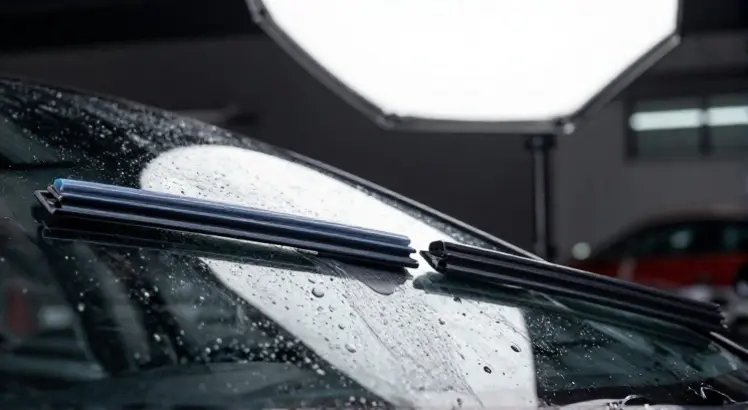
Windshield wipers are one of the most overlooked safety components on a car. You probably do not think about them until a sudden downpour leaves you squinting through streaky glass. When it is time to replace them, you face a common choice: traditional rubber blades or premium silicone ones. This silicone wiper blades vs rubber guide breaks down everything you need to know to make a confident decision for your vehicle.
How Windshield Wiper Blades Work

5 PLUS Silicone Wiper Blades 22 inch 2 pack Replacement For Ford F Series 2020-2012 Expedition 20-08,Chevy Silverado GMC Sierra Series
Check PriceWiper blades consist of a metal or plastic frame that holds a flexible wiping element. That element presses against the windshield and moves back and forth to clear rain, snow, dirt, and grime. The material of the wiping edge determines how smoothly it glides, how long it lasts, and how well it handles heat and cold.
Traditional blades use natural or synthetic rubber. Silicone blades replace that rubber with a silicone compound. Both do the same job, but their chemical makeup leads to very different real-world performance, especially when you compare durability and all-weather consistency.
Rubber Wiper Blades: The Time-Tested Standard

TRICO Chill 37-160 Extreme Weather Automotive Replacement Wiper Blade for Winter – 16″
Check PriceRubber wiper blades have dominated the market for decades. They are affordable, widely available, and familiar to every driver. In most auto parts stores, rubber blades fill entire aisles, and they come as standard equipment on the majority of new cars.
Pros of Rubber Wiper Blades
- Low upfront cost: You can often find quality rubber blades for under $15 per blade.
- Easy availability: Every auto shop, big-box store, and fuel station carries them.
- Simple replacement: Most use universal adapters that click into place quickly.
- Quiet operation when new: Fresh rubber provides a smooth, chatter-free wipe.
Cons of Rubber Wiper Blades
- Short lifespan: Rubber hardens and cracks quickly under UV rays and ozone exposure.
- Poor extreme temperature handling: Cold makes rubber stiff, causing skipping and streaking.
- Friction and chatter: As rubber degrades, it drags across the glass instead of gliding.
- Frequent replacements: In harsh climates, rubber blades may need changing every six months.
For drivers on a tight budget or those who lease vehicles, rubber blades can be perfectly adequate. However, if you live in an area with blazing summers, icy winters, or intense sunlight, you will likely notice performance drop-off much sooner.
Silicone Wiper Blades: The Premium Upgrade

DOG TAIL Water Repellent Silicone Wiper Blades 26″ 19″ Set with Multiple Adapters and 2 Refills
Check PriceSilicone wiper blades use a synthetic silicone rubber compound that resists environmental wear far better than natural rubber. They usually cost more upfront, but many drivers find the value in their longevity and added features. A growing number of enthusiasts and daily commuters are making the switch after weighing silicone wiper blades vs rubber over the long haul.
Pros of Silicone Wiper Blades
- Exceptional durability: Silicone withstands ozone, UV radiation, and temperature swings without hardening.
- Built-in water repellency: Many silicone blades leave a microscopic hydrophobic layer on the glass that beads water.
- Quiet, smooth glide: Silicone remains flexible in cold and does not turn gummy in extreme heat.
- Longer replacement intervals: A set of silicone blades can easily last two to three times longer than rubber ones.
Cons of Silicone Wiper Blades
- Higher initial price: Expect to pay between $25 and $40 per blade, sometimes more for beam-style designs.
- Limited retail availability: Some premium silicone blades must be ordered online.
- Break-in period: The water-repellent coating may take a few wipe cycles to distribute evenly.
Many drivers who upgrade report a noticeable improvement in visibility, especially during light rain and mist. The hydrophobic effect alone makes them a favorite in regions with frequent drizzle, where water beads up and blows away without even needing the wipers on high speed.
Silicone vs Rubber Wipers: Key Differences Compared Head-to-Head

5 PLUS Silicone Windshield Wiper Blades Replacement for 2024-2019 Subaru Forester Set of 3
Check PriceTo make the silicone wiper blades vs rubber decision easier, let us break down the most critical performance factors side by side. These details matter regardless of whether you drive a compact sedan or a heavy-duty pickup.
Durability and Lifespan
Rubber blades typically last between six and twelve months. Prolonged sun exposure accelerates cracking, while freezing temperatures reduce flexibility. Silicone blades resist those same stressors and often remain effective for eighteen to twenty-four months, even in demanding climates. If you hate changing wipers every season, silicone wins clearly on longevity.
Performance in Rain and Snow
Both materials clear water effectively when new. The difference appears after a few months. Rubber edges degrade and leave streaks, forcing you to replace them sooner. Silicone maintains its original wiping quality far longer. In snow and ice, rubber stiffens and skips, while silicone stays pliable and hugs the windshield curve for a cleaner sweep.
Noise and Smoothness
Chattering wipers are a common frustration. Rubber blades develop uneven edges and begin to vibrate against the glass, creating that annoying judder sound. Silicone’s self-lubricating properties reduce friction and keep the blade gliding quietly. If a silent cabin matters to you, silicone provides a noticeable improvement.
UV and Chemical Resistance
Rubber naturally oxidizes and breaks down when exposed to UV light and urban pollutants. Car wash detergents and road salt also speed deterioration. Silicone is chemically inert and shrugs off those elements. For cars parked outdoors all day or driven in areas with heavy industrial fallout, silicone holds up much better.
Cost Over Time
At first glance, rubber seems cheaper. However, if you replace rubber blades twice a year and silicone blades once every two years, the math shifts. A pair of rubber blades at $20 replaced four times in two years costs $40. A pair of silicone blades at $50 that lasts two years costs only $10 more, and you save on labor and hassle. For the DIY-minded, this long-term value is hard to ignore.
Which Wiper Blade Type Is Right for You?

Gavimnal 26″+22″ Silicone Wiper Blades Replacement For Toyota Venza Honda Civic Odyssey Lexus RX350
Check PriceYour choice between silicone and rubber should depend on your climate, driving habits, and budget. There is no one-size-fits-all answer. Here is how to think about it in practical terms.
- Choose rubber blades if you lease your car, plan to sell soon, or live in a mild climate with minimal temperature extremes.
- Choose silicone blades if you keep your vehicle for years, face harsh winters or blazing summers, or simply want the clearest possible windshield with less frequent maintenance.
- For vehicles that sit outside 24/7, silicone offers unmatched resistance to UV damage and tree sap.
- If you drive long distances at night or in heavy rain, the superior clarity of high-quality silicone can boost safety significantly.
Many drivers start with rubber and later upgrade to silicone after noticing how quickly factory blades degrade. Once you experience the consistent wipe of silicone, going back can feel like a downgrade. For a deeper look at the benefits, check out this detailed comparison of silicone wiper blade advantages.
Installation and Maintenance Tips for Longer Blade Life

Silicone Wiper Blades 22 inch 2 pack Replacement For Ford F Series Expedition Silverado Sierra
Check PriceEven the best blades need proper care. Follow these tips to maximize the life of whichever material you choose.
- Clean your windshield regularly. Built-up grime, bug splatter, and road film act like sandpaper on the wiping edge.
- Wipe the blade edges with a damp cloth or rubbing alcohol every few weeks. This removes dirt and oil that cause streaking.
- Never run wipers on a dry windshield. Use washer fluid to lubricate the glass before engaging the blades.
- In winter, lift the blades away from the glass when parking overnight to prevent them from freezing to the windshield.
- Replace blades at the first sign of splitting, skipping, or persistent haze. Delaying replacement compromises visibility and safety.
If you want to explore the best options available right now, our roundup of the top-performing silicone wiper blades on the market will point you in the right direction.
For general guidance on selecting the correct size and style, consult a trusted resource like the Consumer Reports wiper blade buying guide. It offers unbiased testing data and sizing tools.
Frequently Asked Questions

Premium Silicone Carbon Fiber Windshield Wiper Blades 22″ & 22″ – Patented All-Season
Check PriceDo silicone wiper blades really leave a water-repellent coating?
Yes. Many silicone blades are designed to deposit a microscopic layer of silicone on the glass over the first few uses. This causes water to bead up and roll off, similar to a Rain-X treatment. The effect builds gradually and can reduce reliance on the highest wiper speed during light rain.
Can I mix silicone and rubber blades on the same car?
Technically, you can, but it is not recommended. The driver and passenger side blades should perform evenly. Mixing materials may lead to different wipe quality left and right, which can be distracting. For consistent results, replace both at the same time with the same type.
Are silicone wiper blades worth the extra cost for a commuter car?
For most commuters, yes. The longer replacement cycle alone often balances the cost. Add in the clearer wipe in marginal weather and reduced noise, and the daily driving experience improves noticeably. If you spend an hour or more behind the wheel each day, the upgrade pays for itself in comfort and safety.
How do I know when to replace my wiper blades, regardless of material?
Look for visible cracks, tears, or a ragged edge on the wiping lip. If the blade chatters, leaves streaks, or leaves an unwiped arc even after cleaning, it is time. A good rule of thumb is to inspect them at every oil change and replace them at least once a year, or sooner if performance drops.
Do silicone blades work well with heated windshields or de-icers?
Yes. Silicone can handle the mild heat from windshield defrosters and embedded heating elements without breaking down. In fact, silicone’s higher temperature tolerance makes it safer than rubber in those applications. Always make sure the blades are lifted off the glass if you use a scraper, though.
Conclusion
In the silicone wiper blades vs rubber debate, there is no universal winner, but silicone pulls ahead for most drivers who prioritize longevity, all-weather performance, and reduced maintenance. Rubber remains a budget-friendly choice for temporary solutions or mild climates. If you are tired of changing wipers twice a year and want consistently clear visibility, silicone blades are a practical, worthwhile investment. Start by checking your current blade size, then explore highly rated silicone options that match your car. Your next rainy drive will feel noticeably safer and more comfortable.