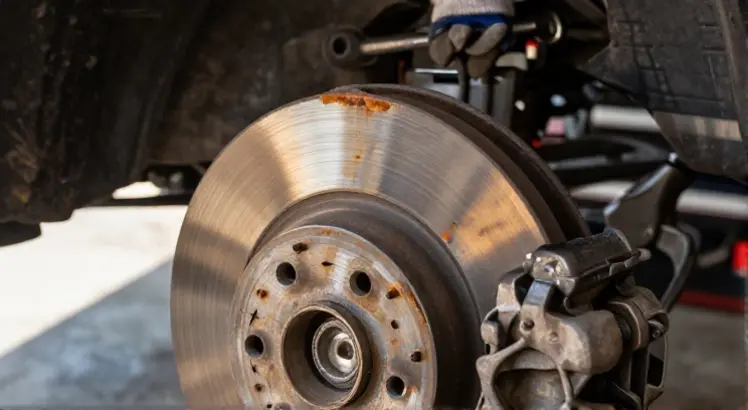
Your brake rotors are one of the most critical safety components on your vehicle. They work alongside your brake pads to bring your car to a smooth, controlled stop every single time. When rotors start to fail, the warning signs are often unmistakable, but many drivers dismiss them until the problem becomes dangerous. Knowing what are bad rotor signs can save you from costly repairs and keep you safe on the road. This guide covers every symptom, cause, and solution you need to understand.
Brake rotors do not last forever. Over time, heat, friction, and wear take their toll. The good news is that your car will almost always tell you when something is wrong. You just need to know what to listen for, feel for, and look for. Let us break down everything step by step.
What Are Brake Rotors and Why Do They Matter?

Detroit Axle – Brake Kit for 11-20 Toyota Sienna, 14-19 Highlander, 10-15 Lexus RX350 RX450h Disc Brake Rotors and Ceramic Brakes Pads Front and Rear Replacement
Check PriceBrake rotors are the large metal discs that sit behind each wheel. When you press the brake pedal, the brake pads clamp down on the rotors. This friction converts kinetic energy into heat, slowing your vehicle down. The rotors dissipate that heat and provide a smooth surface for the pads to grip.
Without healthy rotors, your braking system cannot function properly. Warped, worn, or damaged rotors compromise your ability to stop quickly. In emergency situations, bad rotors can mean the difference between a near miss and a serious collision. That is why recognizing the signs of bad rotors early is so important.
Most modern vehicles use vented rotors that have internal fins for cooling. Some high-performance cars use drilled or slotted rotors for even better heat management. Regardless of the type, all rotors are susceptible to wear. When you understand what to watch for, you can address issues before they escalate.
7 Critical Bad Rotor Signs

Detroit Axle – Brake Kit for Nissan Pathfinder Infiniti JX35 QX60 Murano, Drilled & Slotted Brakes Rotors Ceramic Pads Replacement
Check PriceHere are the most common indicators that your brake rotors are failing. If you notice any of these symptoms, schedule an inspection as soon as possible. Delaying repairs can lead to more extensive damage and higher costs.
1. Steering Wheel or Brake Pedal Vibration
One of the earliest and most noticeable signs of bad rotors is vibration. When you apply the brakes, you may feel a shaking sensation through the steering wheel. This happens because the rotor surface is no longer perfectly flat. Warped rotors create uneven contact with the brake pads, causing that telltale shudder.
The vibration often becomes more pronounced at higher speeds. You might notice it most when braking on a highway off-ramp or slowing down from highway speeds. This pulsing feeling is your rotor telling you it has developed thickness variation. Ignoring it will only make the problem worse over time.
Sometimes the vibration travels through the brake pedal itself. You may feel a rhythmic pulsing under your foot. This is a clear sign that the rotor surface is uneven. In many cases, this symptom is mistaken for an alignment issue, but a qualified mechanic can diagnose it quickly.
2. Squealing or Squeaking Noises When Braking
High-pitched squealing noises are often associated with worn brake pads. However, they can also point to rotor problems. When rotors develop grooves, scoring, or glazing, the brake pads cannot make clean contact. This inconsistent friction surface produces squealing or squeaking sounds.
The noise may come and go, or it might be present every time you brake. Pay attention to whether the sound changes with brake pressure. If the squealing persists even after new pads are installed, the rotors are likely the culprit. Glazed rotors, in particular, create a hard, shiny surface that causes noise.
Do not ignore persistent brake noise. While some brake squeal is normal in certain conditions, a consistent squeal that does not go away warrants inspection. The issue could be as simple as surface rust or as serious as deep rotor scoring.
3. Visible Grooves, Scoring, or Lip Formation
A visual inspection can reveal a lot about rotor health. Look at the rotor surface through the spokes of your wheel. A healthy rotor should appear smooth and relatively uniform. If you see deep grooves, ridges, or score marks, the rotors are wearing unevenly.
Another common visual sign is a pronounced lip around the outer edge of the rotor. This lip forms because the brake pads do not contact the very edge of the rotor. Over time, the area where the pads grip wears down while the outer edge remains untouched. A significant lip indicates substantial rotor wear.
You can also check for cracks, especially around drilled rotors if your vehicle has them. Hairline cracks can spread and eventually cause rotor failure. Any visible cracking means the rotor needs immediate replacement. Never take chances with cracked rotors.
4. Longer Stopping Distances
Have you noticed that your car takes longer to come to a complete stop? This is a serious warning sign. Bad rotors reduce the friction needed for effective braking. When the rotor surface is glazed, warped, or worn thin, the brake pads cannot grip properly.
Longer stopping distances put you at risk in traffic and emergency situations. Even a few extra feet can make a huge difference. If you find yourself pressing the brake pedal harder or earlier than you used to, your rotors may be to blame. Do not wait to address this symptom.
This issue can also be accompanied by a spongy brake pedal feel. While a spongy pedal often points to air in the brake lines or low fluid, it can also occur when rotors are severely worn. Combined with longer stopping distances, it is a clear signal that your braking system needs attention.
5. Blue Discoloration or Heat Spots
Excessive heat can permanently damage brake rotors. When rotors overheat, the metal surface can develop blue or purple discoloration. These heat spots are a sign that the rotor has reached temperatures beyond its design limits. The discoloration indicates changes in the metal’s molecular structure.
Heat spots create hard, raised areas on the rotor surface. These spots do not wear at the same rate as the surrounding metal. The result is an uneven friction surface that causes pulsation, noise, and reduced braking performance. Once heat spots form, the rotor cannot be resurfaced effectively.
Overheating can be caused by aggressive driving, riding the brakes, or a stuck caliper. If you see blue discoloration, the rotors need replacement. There is no way to reverse heat damage once it has occurred. Replacing them is the only safe option.
6. Pulsating Brake Pedal
A pulsating brake pedal is closely related to steering wheel vibration. However, it deserves its own mention because it is such a distinct and common symptom. When you press the brake pedal, you may feel it push back against your foot in a rhythmic pattern. This pulsation is caused by rotor thickness variation.
Rotor thickness variation means the rotor is thicker in some spots and thinner in others. As the thicker sections pass between the brake pads, they create more pressure. This pressure travels back through the hydraulic system to the pedal. The result is a pulsing sensation that matches wheel rotation speed.
This symptom is often most noticeable during moderate braking. Very light braking may not produce enough pressure, while very hard braking can mask the sensation. If you feel a pulsating pedal, have your rotors measured with a micrometer. Even slight variations can cause noticeable pulsation.
7. Rust and Corrosion on Rotor Surface
Some surface rust on brake rotors is normal, especially after a vehicle sits in wet weather. This light rust typically wears off after a few brake applications. However, deep rust and corrosion are a different story. Rotors that are heavily rusted lose their structural integrity and braking effectiveness.
Corrosion can cause the rotor to flake, pit, or develop weak spots. In severe cases, rust can cause the rotor to warp or crack under braking pressure. Rotors in coastal areas or regions with heavy road salt usage are particularly vulnerable. Regular inspection of rotor condition is essential in these environments.
If rust has eaten into the rotor surface deeply, resurfacing is not an option. The rotor must be replaced. When you are selecting the best brake rotors and pads for your vehicle, consider coated rotors that resist corrosion. They cost a bit more upfront but last significantly longer in harsh conditions.
What Causes Rotors to Go Bad Prematurely?

Acinoparts Front and Rear Brake Kit, Drilled and Slotted Brake Rotors Ceramic Brake Pads Suitable for Cadillac Escalade Chevy Silverado 1500 Tahoe GMC Yukon
Check PriceUnderstanding the root causes of rotor damage helps you prevent future problems. Several factors contribute to premature rotor wear. Being aware of these causes can extend the life of your braking components and save you money.
- Aggressive driving and hard braking generate excessive heat
- Riding the brake pedal keeps constant pressure on the rotors
- Stuck brake calipers cause uneven pressure and overheating
- Low-quality brake pads leave deposits on the rotor surface
- Driving through deep water when brakes are hot causes thermal shock
- Neglecting brake pad replacement leads to metal-on-metal contact
- Improper installation or incorrect torque on lug nuts warps rotors
Many of these causes are preventable with proper driving habits and regular maintenance. For example, avoiding hard stops when possible reduces heat buildup. Having your brakes inspected annually catches caliper problems before they damage rotors. Using quality parts matters, too.
If you drive a Honda Odyssey or similar family vehicle, you might want to check out vehicle-specific rotor recommendations that match your driving needs. Choosing the right rotors for your vehicle type and driving style can dramatically improve longevity.
Can You Drive With Bad Rotors? Safety Risks Explained

Detroit Axle – 4WD Brake Kit for 2012-2022 Ford F-250 Super Duty 2013-2022 F-350 Super Duty, 14.29″ inch Front Rear Drilled Slotted Brake Rotors Ceramic Brakes Pads Replacement
Check PriceTechnically, you can drive with bad rotors, but you absolutely should not. The safety risks are significant. Bad rotors reduce your ability to stop effectively. In an emergency, that extra stopping distance could be catastrophic. Your braking system is not something to gamble with.
Warped rotors also put extra stress on other brake components. The uneven surface causes the brake pads to wear unevenly. It can also strain the caliper pistons and seals. What starts as a relatively simple rotor replacement can turn into a much more expensive repair if neglected.
Additionally, the vibration from bad rotors can affect your steering and suspension components over time. The constant shaking puts unnecessary wear on tie rods, ball joints, and wheel bearings. The National Highway Traffic Safety Administration emphasizes that brake system maintenance is critical for vehicle safety. Regular inspections are a must.
How to Inspect Rotors at Home (Step-by-Step)
Detroit Axle – Brake Kit for 07-11 Toyota Camry 08-12 Avalon 07-12 Lexus ES350 Replacement Disc Brake Rotors and Ceramic Brakes Pads
Check PriceYou can perform a basic rotor inspection at home with minimal tools. Here is a simple step-by-step process to check your rotors for common issues. Always make sure your vehicle is parked on a level surface and the parking brake is engaged before starting.
- Park on level ground and let the brakes cool completely
- Use a jack to lift one corner of the vehicle and remove the wheel
- Visually inspect the rotor surface for grooves, scoring, or cracks
- Run your fingertip across the surface to feel for unevenness
- Check the rotor edge for a pronounced lip
- Look for blue discoloration or heat spots
- Measure rotor thickness with a micrometer if you have one
- Compare your measurement to the manufacturer’s minimum specification
If you notice any of the signs discussed in this article during your inspection, it is time to take action. Rotors that are visibly scored, deeply grooved, or below minimum thickness need replacement. Do not attempt to sand down or resurface rotors at home without proper equipment.
When to Replace vs. Resurface Brake Rotors
Many drivers wonder whether they can simply resurface their rotors instead of replacing them. Resurfacing involves machining a thin layer of metal off the rotor surface to restore smoothness. This can be an effective solution for mild warping or surface imperfections.
However, resurfacing is not always possible. Rotors have a minimum thickness specification set by the manufacturer. If the rotor is too thin after resurfacing, it becomes unsafe. Thin rotors cannot dissipate heat effectively and are more prone to cracking. Always measure before deciding to resurface.
In many cases, replacement is the more cost-effective option. Modern rotors are often designed to be replaced rather than resurfaced. The price difference between resurfacing and new rotors has narrowed significantly. For most vehicles, installing new rotors provides better long-term value and peace of mind.
Frequently Asked Questions About Bad Rotors
How long do brake rotors typically last?
Brake rotors generally last between 30,000 and 70,000 miles. The exact lifespan depends on your driving habits, vehicle type, and rotor quality. Highway driving is easier on rotors than stop-and-go city traffic. Aggressive braking and heavy loads can cut rotor life significantly.
Can I just replace brake pads without replacing rotors?
You can replace brake pads without replacing rotors only if the rotors are in good condition. The rotors must be smooth, within thickness specifications, and free of deep grooves or cracks. Many mechanics recommend replacing or at least resurfacing rotors when installing new pads for optimal performance.
What does a warped rotor feel like?
A warped rotor feels like a vibration or shaking through the steering wheel and brake pedal when braking. The sensation is rhythmic and matches the speed of the wheels. It is most noticeable during moderate braking from higher speeds. The vibration may come and go as you apply more or less brake pressure.
How much does it cost to replace brake rotors?
Brake rotor replacement typically costs between $300 and $500 per axle at a repair shop. This includes parts and labor. The price varies by vehicle make and model. Luxury and performance vehicles often cost more. DIY replacement can reduce costs significantly if you have the right tools and experience.
Can bad rotors cause the ABS light to come on?
Bad rotors themselves do not directly trigger the ABS warning light. However, severely warped rotors can cause erratic wheel speed sensor readings. This may confuse the ABS module and trigger the light. If your ABS light is on along with braking symptoms, have the entire system diagnosed professionally.
Conclusion: Act Early on Signs of Bad Rotors
Your brake rotors are too important to ignore. The signs of bad rotors are your vehicle’s way of asking for help. Whether it is a vibration in the steering wheel, a squealing noise, or visible grooves on the rotor surface, each symptom deserves your attention. Addressing these warnings early keeps you safe and prevents more expensive repairs.
Make brake inspection a regular part of your vehicle maintenance routine. Check your rotors visually every time you rotate your tires. Listen for unusual noises and pay attention to how your brake pedal feels. If something seems off, have it checked by a qualified mechanic without delay.
Investing in quality brake components pays off in safety and longevity. Whether you need a full rotor replacement or just want to upgrade your braking system, choose parts that match your driving needs. Your safety, and the safety of everyone on the road, depends on brakes that work properly every single time.