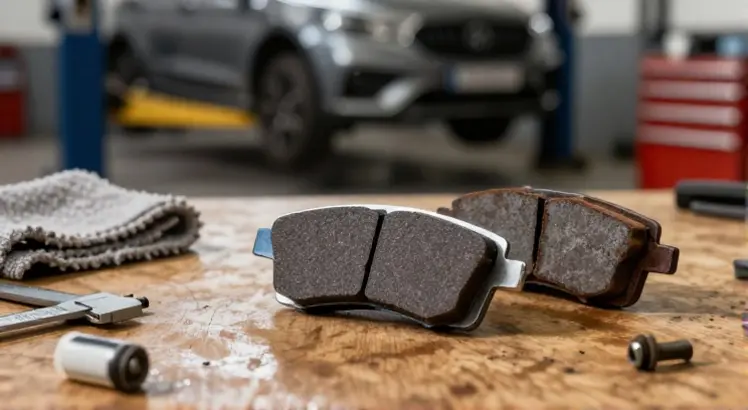
If you have ever stood at a service counter and heard the phrase “you should stick with factory parts,” you know the confusion. The big question pops up immediately: are OEM brake pads worth it? The answer is not a simple yes or no. It depends on your driving habits, your budget, and what you value most in a braking system.
Some drivers swear by the consistency of original equipment manufacturer parts. Others choose aftermarket pads for better performance or a lower price. We are going to break down the hard facts, the real-world differences, and the costs so you can make a confident choice.
By the time you finish reading, you will understand exactly when OEM pads are the smart move and when you can safely save your money. Let’s dig into the engineering, the materials, and the driving experience that separates the two.
What Exactly Are OEM Brake Pads?

Bendix SBC1161 Premium Ceramic Rear Brake Pads for Ford Fusion, Lincoln MKZ, Mazda 6, Mercury Milan
Check PriceOEM stands for Original Equipment Manufacturer. These are the brake pads made by the same company that produced the pads installed on your vehicle at the factory. If you drive a Toyota, a pad sold in a Toyota-branded box or by the supplier that Toyota uses qualifies as OEM.
The key idea is consistency. The manufacturer designed the entire braking system, from the master cylinder to the rotors, to work with a specific friction material. OEM pads match that design precisely.
How OEM Pads Are Developed
Vehicle manufacturers spend millions of dollars testing brake systems. They run vehicles in extreme heat, freezing cold, and punishing stop-and-go traffic. The pads they approve must pass strict standards for noise, vibration, and harshness, often called NVH.
Engineers tune the friction compound to balance stopping power, rotor wear, and dust production. This deep integration is something aftermarket companies struggle to replicate perfectly for every single car model.
OEM vs Aftermarket Brake Pads: The Core Differences

Bendix SBC1169A Premium Ceramic Front Brake Pads for Buick Enclave, Chevy Traverse, GMC Acadia, Saturn Outlook
Check PriceWhen you look at a shelf of aftermarket pads, you will see words like ceramic, semi-metallic, and organic. OEM pads usually use a specific blend that is hard to categorize. They often fall into a ceramic-based or hybrid category, but the exact formula is a closely guarded secret.
Aftermarket pads come in many flavors. Some are built for long life, some for low dust, and some for aggressive track performance. Understanding these differences is the first step to deciding if OEM pads are the right choice for you.
Material Composition and Friction Behavior
Most modern OEM pads use a ceramic-enhanced formula that prioritizes smooth engagement and low noise. Aftermarket options range from basic organic materials, which are cheap but wear quickly, to premium ceramics that mimic OEM behavior.
Semi-metallic pads offer strong bite and heat resistance, but they often produce more noise and dark dust. If you choose a semi-metallic pad on a car engineered for ceramics, you may get better initial bite at the expense of comfort and rotor life.
Stopping Power and Performance Feel
OEM pads are engineered to provide a linear, predictable pedal feel. The first inch of pedal travel gives a gentle bite, and the force builds progressively. This is intentional, making the car feel safe and easy to control in everyday traffic.
Some aftermarket pads offer a more aggressive initial bite. That can feel sportier, but it may also make the brakes grabby in slow-moving traffic. For a daily commuter, the OEM feel is often exactly what you want.
Noise, Squeal, and Vibration
One of the biggest complaints with brake jobs is noise. OEM pads include factory-designed shims, chamfers, and slots that cancel out the high-frequency vibrations that cause squeal. The pads are tested on the specific caliper and rotor setup of your car.
A high-quality aftermarket pad can also be quiet, but the risk of an annoying squeak is higher when the fit and damping are not perfectly matched. If you hate any hint of brake noise, OEM pads have a clear advantage.
Brake Dust and Wheel Cleanliness
OEM pads typically produce a moderate amount of light-colored dust that is easy to wash off. Many drivers find this acceptable because the dust level is a trade-off for rotor life and quiet operation. Heavy dark dust from aggressive semi-metallic aftermarket pads can ruin the look of your wheels.
Low-dust ceramic aftermarket pads are available and can beat OEM pads on this front. If you own a luxury car with intricate wheels, a premium aftermarket ceramic pad may actually be a better choice for cleanliness.
Longevity and Rotor Wear
OEM pads are designed to wear in harmony with the rotors. They usually last between 30,000 and 70,000 miles depending on driving style. More importantly, they tend not to chew up the rotor surface aggressively.
Some hard aftermarket pads last longer but can cause accelerated rotor wear. Replacing rotors is expensive, so a pad that saves you money on pads but costs you a rotor job is not a bargain. OEM pads often hit the sweet spot for total system life.
The Clear Advantages of OEM Brake Pads

Bosch BE2076H Blue Ceramic Front Brake Pad Set for Lexus ES, Toyota Camry, RAV4, Avalon and more
Check PriceNow that we have covered the differences, let’s list the specific situations where OEM pads really shine. These benefits are why many mechanics and dealerships strongly recommend staying with factory components.
Perfect Fit and No Modifications
OEM pads drop into your calipers with zero modifications. The backing plate, the clips, and the wear sensor connectors are identical to the parts that came off. There is no filing, bending, or fussing required.
For a DIY mechanic, this simplifies the job dramatically. For a shop, it reduces labor time and the chance of a comeback due to noise or fitment issues. That exact fit also means the pads sit perfectly flat against the rotor from the first stop.
Consistent, Predictable Performance
When you press the brake pedal, your brain expects a certain response. OEM pads deliver the same pedal effort, the same deceleration rate, and the same release characteristics that your muscle memory is used to. There are no surprises.
This consistency extends to extreme conditions. The OEM pad will not suddenly fade more than expected during a mountain descent, because the engineers tested that exact scenario. Peace of mind is a real value that is hard to put a price on.
Warranty and Dealership Support
If your vehicle is under warranty, some dealerships may try to blame aftermarket parts for unrelated brake issues. It is rare, but using OEM pads removes any doubt about parts compatibility during a warranty claim.
OEM pads usually come with a 12-month or 12,000-mile warranty from the manufacturer. While many quality aftermarket brands offer longer warranties, the OEM warranty is handled at any dealership nationwide, which can be convenient.
The Downsides of Sticking With OEM Pads

Bendix SBC34 Premium Ceramic Front Brake Pads for Ford Mustang, Fairlane, Falcon, Mercury Cougar, Comet
Check PriceNo part is perfect. OEM brake pads have a few drawbacks that push many knowledgeable owners toward the aftermarket. Recognizing these limitations helps you weigh your options honestly.
Higher Price Point
The most obvious disadvantage is cost. OEM pads from a dealer parts counter can be 30% to 60% more expensive than a comparable high-quality aftermarket set. You are paying for the brand markup, the dealer network, and the testing.
For budget-conscious owners, this premium is hard to swallow. If you plan to keep the car for only another 20,000 miles, investing in the most expensive pads may not make financial sense.
Limited Performance Choices
OEM pads are designed for the average driver. If you tow heavy trailers, drive aggressively, or attend track days, the stock pad compound may overheat and fade. The manufacturer did not build that pad for extreme use.
The aftermarket opens a world of options. You can get pads specifically engineered for towing, for high-performance street driving, or for ultra-low dust. With OEM, you get one flavor, and it may not match your driving style.
Dealer-Only Availability
You often cannot grab a set of OEM pads at your local auto parts store on a Sunday afternoon. You need to visit a dealership or order online and wait for shipping. Aftermarket pads from brands like Akebono, Brembo, or Wagner are widely available.
This convenience gap can be a deciding factor when your brakes are grinding and you need a fast repair to get to work on Monday morning.
When OEM Brake Pads Are Absolutely Worth It

Detroit Axle Drilled and Slotted Rotors with Ceramic Pads for 2020-2025 Subaru Legacy, Outback, 2022-2024 WRX
Check PriceThere are clear scenarios where paying extra for OEM pads is the right call. The investment pays off in quiet operation, proper fit, and long-term satisfaction. Let’s look at those specific situations.
- You lease a vehicle and need to return it in factory condition. Non-OEM parts can sometimes trigger wear-and-tear charges.
- You drive a luxury or performance car with a finely tuned brake-by-wire system. Aftermarket pad behavior can confuse the electronic calibration.
- You are highly sensitive to brake noise and dust, and you want the exact experience you had when the car was new.
- Your mechanic specifically recommends OEM due to known fitment problems with aftermarket options on your particular model.
- You value simplicity and do not want to research dozens of aftermarket compounds, just want a guaranteed result.
In these cases, the question “are OEM brake pads worth it” answers itself with a yes. The peace of mind and time saved justify the higher parts cost.
When Aftermarket Pads Make More Sense

Bendix Priority1 CFC2457 Ceramic Rear Brake Pads for Mazda CX-50 2023-2024
Check PriceOn the flip side, many drivers can confidently choose aftermarket pads and enjoy better performance or lower cost. The key is knowing what you need and selecting a reputable brand. Our guide to the best aftermarket brake pads breaks down the top options.
- You are on a strict budget and need to keep the car safe without overspending. Quality aftermarket pads from Akebono, Centric, or Bosch often cost far less.
- You want a specific feature like ultra-low dust for your detailed wheels, or a high-friction pad for spirited driving.
- You are keeping an older, high-mileage vehicle that does not need the absolute latest factory compound.
- You prefer to shop online and have parts delivered to your door from retailers like RockAuto or Amazon.
- You are doing a big brake kit upgrade that requires a pad not offered by the original manufacturer.
In many of these situations, a premium aftermarket pad can actually outperform the OEM pad. For example, a ceramic pad from a top-tier supplier may produce even less dust while matching stock stopping power perfectly.
Real-World Cost Breakdown: OEM vs. Aftermarket
Numbers make the decision clearer. Let’s use a popular vehicle, a 2019 Honda Accord, as an example. Front OEM brake pads from a dealer typically cost around $90 to $110. A comparable premium aftermarket ceramic set from Akebono, which is an OEM supplier for many Honda models, costs around $55 to $70.
If you pay a shop for installation, labor is roughly the same for both, about $120 to $180 per axle. The total job with OEM pads might be $270, versus $200 with aftermarket. That $70 difference might not seem huge, but over multiple brake jobs and multiple cars, the savings add up.
Now factor in the rotor. If you extend rotor life by using an OEM pad that wears gently, you might avoid a $300 rotor replacement for an extra year. That hidden cost can tip the balance back in favor of the factory parts. It is rarely about the pad price alone.
What About OEM-Supplier Aftermarket Pads?
A clever middle ground exists. Companies like Akebono, Advics, Galfer, and Textar supply brake pads to automakers. They sell the same core friction material under their own brand for less money. You get OEM-like performance without the dealership markup.
These pads often look identical to factory parts, minus the car brand logo. If you can identify the original supplier for your vehicle, this is a smart way to save money without sacrificing quality. Check forums or ask a knowledgeable parts specialist for guidance.
This approach works especially well for European cars, where OEM pads can be shockingly expensive. The Textar or Pagid pad in an aftermarket box is frequently the exact same compound that came on the car.
How to Decide for Your Specific Vehicle
Start by honestly assessing your driving. Do you commute calmly in light traffic, or do you haul heavy loads up steep grades? Do squeaks drive you crazy, or are you willing to experiment? Your answers narrow the field.
Next, check online forums for your specific model. Some vehicles are known to be extremely picky about pad shape and compound. For example, certain German sedans exhibit terrible squeal with nearly every aftermarket option. In those cases, the convenience of OEM outweighs the premium.
Finally, look at total system health. If your rotors have a deep lip or hot spots, you may need rotors anyway. A full OEM rotor and pad kit can be a worthwhile investment in restoring factory feel. Our review of Honda OEM rotors and pads shows how well a matched setup performs.
Frequently Asked Questions
Do OEM brake pads last longer than aftermarket?
Not always. Lifespan depends on the pad compound. A hard semi-metallic aftermarket pad can outlast a softer OEM ceramic pad, but it may cause faster rotor wear. OEM pads are designed for optimal system life, so they often give a balanced lifespan with minimal rotor damage.
Can aftermarket brake pads void my car warranty?
In the United States, the Magnuson-Moss Warranty Act prevents manufacturers from voiding your warranty simply for using non-OEM parts. However, if an aftermarket pad directly causes a failure, that specific repair may not be covered. Using OEM pads removes any potential dispute.
Are OEM brake pads always ceramic?
Not always. Many modern OEM pads are ceramic or a ceramic hybrid, but some trucks and performance cars still come with semi-metallic pads from the factory. It depends on the vehicle’s intended use and load capacity.
What is the best alternative to expensive dealer pads?
Look for “OEM supplier” aftermarket brands. These companies make the pads for the automaker and sell the same formula under their own name. Akebono, Advics, and Textar are well-known examples. You get factory performance at a lower price.
Do I need to replace rotors when switching pad types?
It is always a good practice to either replace or resurface the rotors when changing pad compounds. This gives the new pad a clean, flat surface to bed into. Mixing transfer layers from different pad materials can cause noise and uneven braking.
The Final Verdict: Are OEM Brake Pads Worth It?
For many drivers, the answer is yes, OEM brake pads are absolutely worth the investment. They deliver a guaranteed fit, quiet operation, and a braking feel that matches your muscle memory. You pay more upfront, but you avoid comebacks, noise complaints, and potential compatibility headaches.
For the budget-minded and the performance enthusiast, a carefully chosen aftermarket pad can be an intelligent upgrade. The key is to avoid the cheapest option on the shelf and instead pick a premium brand that matches your driving needs. A quality aftermarket ceramic pad from a reputable supplier often equals or exceeds OEM performance.
Ultimately, your brakes are the single most important safety system on your vehicle. Whether you choose OEM or aftermarket, do not cut corners on quality. A high-quality pad, properly installed with fresh hardware and a clean rotor surface, will serve you well for years.