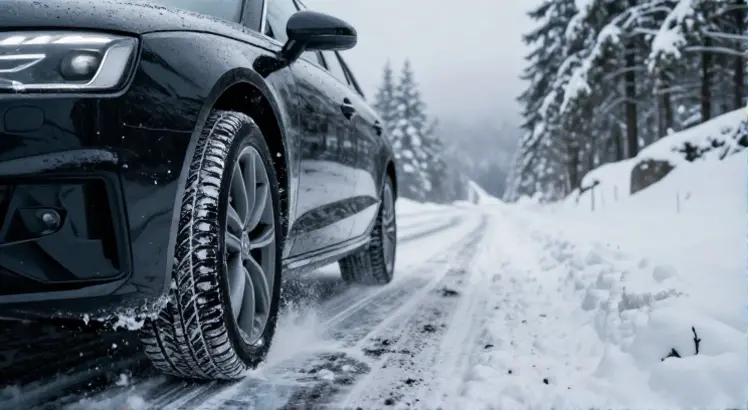
You head out on a crisp winter morning, the roads dusted with snow, and you ask yourself: are all season tires good in winter? It is one of the most common questions drivers face as temperatures drop. The short answer is that all season tires can handle very light, occasional winter weather, but they are not a substitute for real winter tires when conditions turn harsh. This guide will walk you through the science, the risks, and the practical scenarios so you can make the safest choice for your vehicle.
Understanding All Season Tires

Crossmax CHTS-1 All-Season
Check PriceWhat Is an All Season Tire?
All season tires are designed as a compromise. They aim to deliver acceptable performance in dry, wet, and light winter conditions. The tread compound stays flexible across a broad temperature range, and the pattern balances water evacuation with some snow traction. However, this jack-of-all-trades approach comes with clear limitations when the thermometer really plunges or roads get icy. If you want a deeper look at how they behave on white roads, we have an entire guide on all-season tires in the snow that breaks down real-world performance.
The Rubber Compound and Tread Design
All-season tires use a rubber formula that begins to stiffen around 7 degrees Celsius (45 degrees Fahrenheit). When the compound hardens, the tire loses its ability to grip cold pavement and packed snow. The tread features moderate siping, which are the small slits that create biting edges. This helps with light snow and slush, but the blocks are not aggressive enough to dig into deep snow or claw across ice like a dedicated winter tire can.
The Winter Performance Reality

Fullway HP108 All-Season
Check PriceSnow and Ice Traction
In a light dusting, fresh all-season tires with plenty of tread depth can manage reasonably well. Once snow piles up or ice forms, the story changes fast. All-season tires simply lack the multitude of biting edges and the special cold-weather compound that winter tires use. This means longer stopping distances, reduced cornering grip, and a higher chance of getting stuck. Stopping on ice from just 20 mph can take more than twice the distance compared to a winter tire, a margin that often decides whether you avoid a collision.
Braking Distance Comparison
Independent tests consistently show that winter tires stop a vehicle significantly shorter on snow and ice. For example, on a packed snow surface, an all season tire might need an extra 30 to 40 feet to come to a halt from 30 mph. On ice, the gap widens even further. Those extra feet can be the difference between a safe stop and a fender bender. Real-world braking tests prove that the right tire choice directly impacts your safety envelope.
Handling and Cornering on Slippery Roads
Winter tires use deeper tread depths and specialized patterns that channel slush and expel snow buildup. All-season treads tend to pack snow inside the grooves, turning the tire into a slick, featureless surface. This phenomenon, called snow packing, drastically reduces steering response. When you enter a curve on a cold, icy road, the difference in lateral grip can be alarming. A winter tire will maintain composure, while an all-season tire may slide unpredictably.
All-Season vs. Winter Tires: Key Differences

Ferentino Eternopresa 225/60R17
Check Price- Rubber compound stays flexible below 7°C on winter tires, while all-season compounds stiffen and lose grip.
- Winter tires feature thousands of extra sipes that act as biting edges on ice and packed snow.
- Deeper, more open tread patterns on winter tires evacuate slush and prevent snow packing.
- Winter tires often carry the three-peak mountain snowflake (3PMSF) symbol, certifying a minimum snow traction standard.
- Stopping distances on ice can be cut by 50% or more when switching from all-season to winter rubber.
When Can You Get Away With All-Season Tires in Winter?

Lexani Quattro Tempo Tour AW
Check PriceIf you live in a region where winter means a couple of gentle flurries and roads are quickly cleared, a high-quality all-season tire may be sufficient. Southern states, coastal areas with minimal freezing, and urban environments where streets are promptly plowed and salted often fall into this category. Even in these places, however, you should watch the tread depth closely. Tires worn below 5/32 inch of tread lose their ability to channel slush and snow effectively. Some drivers in borderline climates choose all-weather tires as a step up, which carry the 3PMSF symbol and offer better cold-weather performance without requiring a seasonal swap.
When You Absolutely Need Winter Tires

Michelin Pilot Sport AS 4
Check PriceOnce regular snow, ice, or sustained temperatures below 7°C (45°F) are part of your daily drive, winter tires become a safety necessity, not a luxury. Mountain passes, rural roads, and places with long stretches of freezing weather demand the specialized compound and tread. The NHTSA’s winter driving guidelines emphasize that winter tires can significantly improve braking and handling on slippery roads, helping reduce crash risk. Some jurisdictions even mandate winter tires during certain months, and for good reason, the physics of cold rubber do not change.
All-Weather Tires: A Compromise?

Kumho Crugen HP71
Check PriceAll-weather tires are a relatively newer category that bridges the gap between all-season and dedicated winter tires. They feature a compound that stays flexible in cold weather and often carry the 3PMSF symbol, meaning they meet specific snow traction criteria. While they outperform standard all season tires in slush and light snow, they still do not match the ice braking and deep snow capability of a full winter tire. For drivers who see moderate winters and do not want to store a second set of wheels, all-weather tires can be a smart middle ground. We have also rounded up some of the best all-season winter tire options that perform better than average in cold weather.
Practical Tips for Winter Driving on All-Season Tires
If you must rely on all-season tires through the winter, a few habits can help keep you safer. First, check tread depth monthly using a simple tread gauge or the penny test. The more rubber between you and the road, the better. Second, reduce speed and increase following distances dramatically on any snowy or icy surface. Gentle inputs for steering, braking, and acceleration prevent loss of grip. Consider carrying a set of snow socks or chains in your trunk for unexpected storms, they can provide emergency traction when needed. Lastly, maintain proper tire pressure, as colder temperatures cause pressure to drop, which can affect handling and wear.
Frequently Asked Questions
Can all season tires handle light snow?
Yes, brand new all season tires can manage light snow if you drive cautiously. The key is adequate tread depth and moderate speeds. Once the snow accumulates or turns to packed ice, the margin of safety shrinks very quickly.
Are all season tires as good as winter tires on ice?
No. Even the best all-season tire cannot match the ice traction of a winter tire. Winter tires use advanced rubber compounds that stay soft in freezing temperatures and feature dense siping that bites into ice. Stopping distances on ice are significantly longer with all-season tires.
What temperature is too cold for all-season tires?
Generally, when temperatures stay consistently below 7 degrees Celsius (45°F), the rubber in all-season tires begins to harden. Below freezing, the loss of flexibility is noticeable, and grip on cold, dry pavement can also be reduced.
Do all-season tires have the snowflake symbol?
Most standard all season tires carry the M+S (Mud and Snow) designation, but that is a basic rating based on tread geometry, not a performance test. The three-peak mountain snowflake (3PMSF) symbol is found on some all-weather and all winter tires, indicating they passed a defined snow traction test.
Can I use all season tires in Canada in winter?
In many Canadian provinces, winter tires are mandatory or strongly recommended. Quebec, for instance, requires winter tires from December 1 to March 15. Even where not legally required, the severe cold and frequent snow make winter tires a wise, and often essential, investment for safe driving.
Conclusion
All season tires are a workable solution for mild winters, but they are not designed to conquer serious snow and ice. The crucial difference lies in rubber chemistry and tread engineering, one prioritizes versatility, the other prioritizes cold-weather survival. Evaluate your local winter climate honestly. If you regularly face temperatures below 45°F, slushy roads, or icy mornings, fitting a set of dedicated winter tires is the single most meaningful upgrade you can make for safety. In borderline regions, consider the all-weather category as a balanced alternative. Whatever you choose, keep a close eye on tread depth, drive gently when conditions deteriorate, and never underestimate how quickly the road can change.