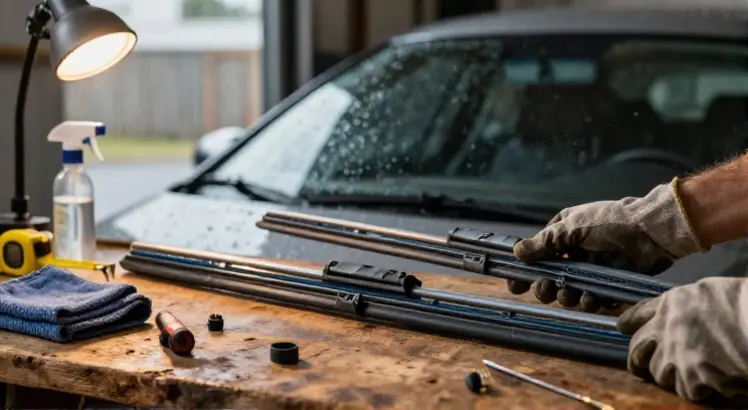
Driving with worn or incorrect wiper blades is not only frustrating, it is a direct safety hazard. If you want to maintain clear visibility during rain, snow, or even dust, you need to know exactly how to choose wiper blades that match your vehicle and driving conditions. This guide will walk you through everything from blade types and sizes to materials and seasonal needs, so you can make a confident, informed decision.
Understanding Wiper Blade Types

BOSCH 22A22B ICON Beam Wiper Blades – Set of 2 (22A & 22B)
Check PriceWiper blades come in three main styles. Each provides a different balance of cost, durability, and performance. Knowing these differences is the first step in choosing wisely.
Conventional (Bracket) Blades
These are the traditional metal frame blades with a rubber squeegee. They use a series of pressure points to keep the blade in contact with the windshield. They are budget-friendly and widely available, but they struggle in heavy snow or ice because the metal framework can clog. If you live in a mild climate, they can be a solid choice.
Beam Blades
Beam blades have no external frame. A single, curved strip of spring steel distributes even pressure across the entire length. This sleek design prevents ice buildup and conforms better to modern curved windshields. They tend to last longer and provide superior performance at highway speeds. Most new cars come equipped with beam blades for these reasons.
Hybrid Blades
Hybrid blades combine the aerodynamic cover of a beam blade with the structural frame of a conventional blade. You get the best of both worlds: the stability of a bracket and the wind-resistant, snow-shedding benefits of a beam design. They are often a great upgrade if you want durability without paying the premium for high-end beam blades.
How to Determine the Correct Wiper Blade Size

Rain-X 820147 WeatherBeater, 26″ and 16″ Windshield Wiper Blades
Check PriceNot all wiper blades fit every vehicle. Using the wrong size can cause streaking, chattering, or even damage to the wiper motor. Fortunately, finding the right size is straightforward.
Check Your Owner’s Manual
The simplest method is to flip open your vehicle owner’s manual. The wiper blade section will list the recommended lengths for both driver and passenger sides, often in inches or millimeters. Some cars even have different sizes for left and right, so note them separately.
Measure the Existing Blades
If you do not have the manual, you can measure the old blades. Use a tape measure from end to end of the rubber element, not the frame. Most blades are sold in standard increments like 16, 18, 20, 22, 24, or 26 inches, so round to the nearest whole number.
Use an Online Size Lookup Tool
Many auto parts retailers and blade manufacturers offer an online fitment tool. Just enter your car’s year, make, model, and trim level. The tool will instantly show the exact size and even recommend compatible blade models. This eliminates any guesswork.
Wiper Blade Materials and Coatings

AUTOBOO 26″ and 16″ Windshield Wipers Blades (Pack Of 2)
Check PriceThe material of the wiping edge directly affects longevity, noise, and cleaning quality. Understanding the options will help you decide which trade-off works best for you.
Natural Rubber
Standard rubber blades are affordable and work well in moderate temperatures. However, they degrade faster under UV exposure and extreme heat, leading to cracking and squeaking. If you replace your blades regularly, rubber can be a practical option.
Graphite-Coated Rubber
Many quality rubber blades have a graphite coating that reduces friction and helps the blade glide silently. This coating also protects the rubber edge from hardening prematurely. While not as durable as silicone, graphite-coated blades offer a quieter, smoother wipe than uncoated rubber.
Silicone Blades
Silicone wiper blades last significantly longer, sometimes up to twice as long as rubber. They are more resistant to heat, cold, and sunlight. Additionally, they leave a microscopic silicone layer on the glass that helps water bead and roll off, almost like a rain-repellent treatment. They tend to cost more upfront but can save money over time.
Teflon-Coated Blades
Some manufacturers apply a Teflon or PTFE coating to the rubber edge, further reducing friction and ensuring a silent wipe even on a semi-dry windshield. While not essential, this coating can improve the driving experience in light rain and helps the blade resist dirt buildup.
Winter Wiper Blades vs. All-Season: Which to Choose?

5 PLUS® Silicone Wiper Blades 22 inch (2 Pack)
Check PriceIf you face harsh winters, you might wonder whether to invest in dedicated winter wiper blades. The difference between winter and all-season blades comes down to their construction. Winter blades are wrapped in a rubber or rubber-like boot that seals out snow and ice, preventing the frame from freezing solid. All-season blades, especially beam designs, can handle light snow, but in freezing rain or heavy slush, winter-specific blades perform better and last longer under severe conditions.
Signs You Need New Wiper Blades
Even the best blades wear out. Watch for these clear indicators that it is time for a replacement:
- Streaking or smearing on the windshield
- Chattering or skipping sounds during operation
- Splitting, cracking, or hardening of the rubber edge
- Rust or corrosion on the metal frame
- The blade lifts off the glass at highway speeds
- Visible reduction in wiping clarity even with new fluid
According to AAA, you should inspect your wipers at least every six months and replace them at the first sign of deterioration. Ignoring these warnings reduces visibility and can scratch your windshield over time.
How to Choose the Right Connector and Adapter

MOTIUM All-Season Windshield Wiper Blades 22″+22″ (Set of 2)
Check PriceWiper arms use different attachment designs depending on the vehicle’s make and age. Most brands include multi-adapter systems in the box, but you should verify compatibility before buying.
Common Wiper Arm Types
The hook-type connector is the most traditional, shaped like a small U or J at the end of the arm. Pin-type connectors have a small pin that slides into a hole on the blade. Bayonet and pinch-tab systems are also found, especially on European cars. Some newer models use a push-button or proprietary connector. Always check the blade package for a compatibility chart or look up the adapter needed for your vehicle.
Installation and Maintenance Tips
AUTOBOO 26″ and 18″ Windshield Wipers Blades (Pack Of 2)
Check PriceChoosing the right blade is only half the battle. Proper installation and ongoing care extend the life of your investment. Before fitting the new blades, clean your windshield thoroughly and wipe the rubber edge with a damp cloth to remove any manufacturing residue. If you are unsure how to attach them, we have a detailed guide that shows you how to replace your wiper blades properly. Remember to never operate wipers on a dry windshield, and lift the blades off the glass during ice storms to prevent them from freezing in place.
Frequently Asked Questions
How often should I replace my wiper blades?
Most manufacturers recommend changing wiper blades every six to twelve months, or as soon as you notice streaking or noise. Factors like sun exposure, extreme temperatures, and frequency of use can shorten this interval. A good rule is to replace them at the start of spring and fall.
Are silicone wiper blades worth the extra cost?
Yes, for many drivers silicone blades are worth it. They last longer, perform better in a wider range of temperatures, and their water-beading effect can improve visibility even between wipes. If you prefer a set-it-and-forget-it approach, silicone is a great upgrade.
Can I use different size blades on each side?
Absolutely. Many vehicles use a longer blade on the driver side and a shorter one on the passenger side for full coverage. Always install the recommended sizes for each position. Swapping them can lead to poor contact and reduced sweep area.
What is the difference between OEM and aftermarket wiper blades?
OEM blades are the exact replacements sold by your car’s manufacturer. Aftermarket blades from brands like Bosch, Rain-X, or Michelin often offer similar or even better performance and longer life at a lower price. As long as you match the size and connector type, quality aftermarket blades are a smart choice.
Do I need to replace the rear wiper blade too?
If your vehicle has a rear wiper, it experiences the same environmental wear as the front blades, though often less use. Inspect it whenever you check the front blades and replace it at the same interval, because a clear rear window is essential for safe reversing and lane changes.
Conclusion
Learning how to choose wiper blades does not need to be complicated. Start by identifying the correct size for your car using the owner’s manual, measurement, or an online tool. Consider your local weather: if you deal with harsh winters, pay attention to winter blade options or invest in premium silicone beam blades that resist ice buildup and last longer. Factor in the arm connector type so you do not face a frustrating installation surprise. Finally, replace your blades regularly and maintain them with a clean windshield. With these steps, you will enjoy clear, safe vision every time you get behind the wheel.