Are you looking for a set of tires that can handle the unpredictability of winter without requiring a dedicated seasonal swap? Driving in cold temperatures, light snow, and slush demands a tire that sits right in the sweet spot between a standard all-season and a dedicated winter tire. That is where all-weather tires come into play, offering a true four-season solution, and the Firestone WeatherGrip has quickly become one of the most talked-about options in this category.
If you hate the hassle of scheduling tire changeovers twice a year, you are probably wondering if one set can truly do it all. The promise of the Firestone WeatherGrip is a tire that remains flexible in freezing conditions while still providing confident dry and wet traction during the summer months. Unlike a traditional all-season tire that hardens below 45 degrees Fahrenheit, this tire carries the Three-Peak Mountain Snowflake (3PMSF) symbol, certifying its ability to handle severe snow.
In this comprehensive Firestone WeatherGrip review, we will strip away the marketing hype and look at real-world performance. We will examine its durability, comfort levels, snow traction capabilities, and how it stacks up against popular competitors. Whether you drive a sedan, a crossover, or a minivan, this guide will help you decide if the WeatherGrip is the right investment to keep you safe year-round.
What Makes the Firestone WeatherGrip Different?

Firestone Transforce AT2 All Terrain Commercial Light Truck Tire LT235/80R17 120 R E C
Check PriceThe first thing you have to understand about the Firestone WeatherGrip is its classification. It is not a standard all-season tire, although many retailers mistakenly categorize it as one. This is an all-weather tire, which is a distinct hybrid category. The key difference lies in the rubber compound and tread design. The WeatherGrip utilizes a specialized, high-silica compound that stays malleable when the mercury drops, giving you a critical safety advantage during a January cold snap.
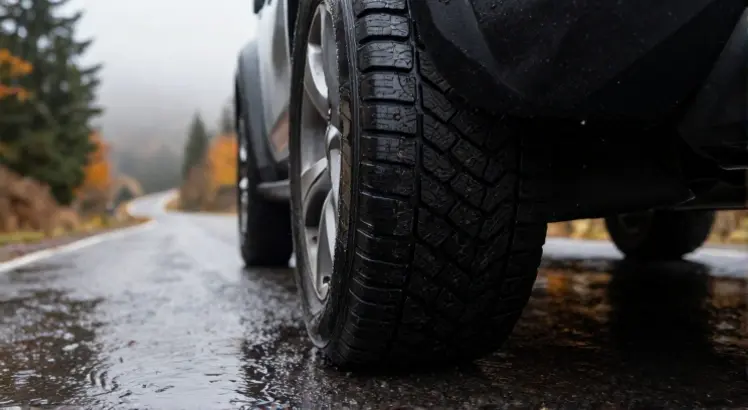
Firestone engineered this tire to solve a specific problem for drivers who live in regions like the Midwest or Northeast, where you might see freezing rain and slush but not harsh, unplowed snow every single day. The tread design features an open shoulder slot pattern and sweeping grooves. These elements work together to evacuate water quickly, drastically reducing the risk of hydroplaning. You will also notice the full-depth tread features, meaning the snow and ice gripping capabilities remain consistent as the tire wears down over time.
Key Features and Construction Details

Firestone Transforce HT3 All Season LT245/75R16 120/116R E Light Truck Tire
Check PriceSevere Weather Certification You Can Trust
Look closely at the sidewall of the WeatherGrip, and you will find the Three-Peak Mountain Snowflake (3PMSF) logo. This is not just a sticker, it is a strict performance standard. To earn this symbol, a tire must prove its acceleration traction in medium-packed snow is at least 10% better than a standard reference all-season tire. It is a legal mark of competence in severe snow conditions, giving you the peace of mind required to pass winter traction laws, like those enforcing winter tire requirements during specific months.
Advanced Tread Wear and Durability
One of the biggest complaints about dedicated winter tires is that they wear down rapidly if you drive them in warm weather. The Firestone WeatherGrip combats this with a robust internal construction. It uses a polyester casing topped with twin steel belts reinforced by spirally wrapped nylon. This heavy-duty skeleton stabilizes the tread block, which not only improves handling response but also fights against irregular wear. The symmetrical tread pattern also allows for easy cross-rotation, extending the overall life of the tire significantly.
The V-Shaped Hydroplane Defense
Water evacuation is a silent killer of traction. The WeatherGrip relies on deep, interlocking sipes and enlarged circumferential grooves. As the tire rolls, these channels funnel water away from the footprint, maintaining rubber-to-road contact. This design is crucial for springtime driving when heavy rain meets lingering road oils. The biting edges also whip into action during light snow, trapping flakes in the sipes because nothing grips snow better than snow itself.
In-Depth Performance Analysis by Season

Firestone Weathergrip All-Weather Touring Tire 235/50R18 97 V
Check PriceWinter and Snow Performance
Here is where the Firestone WeatherGrip has to earn its reputation. In deep, unplowed snow, it will not outperform a top-tier Nordic winter tire like the Bridgestone Blizzak, and you shouldn’t expect it to. However, compared to a standard touring all-season tire, the difference is night and day. The high-density siping and the cold-weather compound provide linear acceleration on icy highways and predictable stopping distances. However, drivers should note that the tire can occasionally feel a bit squirmy on perfectly dry, icy blacktop due to the softer tread blocks.
Wet Road Stability
If you live in the Pacific Northwest or a region prone to daily downpours, you will likely love the wet grip of the WeatherGrip. The compound’s high silica content acts like a microscopic sponge, clinging to wet pavement. Whether taking a curved highway on-ramp at speed or commuting in bumper-to-bumper traffic during a storm, the steering remains sharp and connected. The braking distance in wet conditions is a major highlight, rivaling some of the best grand touring tires on the market today.
Dry Handling and Warm Weather Drive
Performance tires feel crisp and aggressive, but the WeatherGrip prioritizes safety over sportiness. On dry pavement, the steering response is slightly softer than a standard touring tire, but it is never vague. This is the trade-off for the winter capability. As temperatures climb above 80 degrees Fahrenheit, the rubber matures into a grippy, stable compound. Long-distance road trips are fatigue-free because the Power Bite technology actively fights the vibration and road harmonics typically generated by aggressive tread blocks.
Comfort, Noise Levels, and Ride Quality
Firestone Weathergrip All-Weather Touring Tire 225/65R17 102 H
Check PriceFor many daily drivers, how a tire sounds in the cabin matters just as much as how it handles. The Firestone WeatherGrip generally runs quiet for an all-weather tire, though you will detect a subtle roar on coarse concrete highways. This is a byproduct of the open shoulder design intended for snow grip. At city speeds, the ride is compliant, absorbing railroad tracks and potholes beautifully without transmitting harsh jolts through the steering column. The reinforced sidewalls carry heavier vehicles like the Toyota Sienna or Honda Odyssey with impressive stability.
Firestone WeatherGrip vs. The Competition
WeatherGrip vs. Michelin CrossClimate 2
The Michelin CrossClimate 2 is often considered the gold standard in the all-weather category. The Michelin generally offers a slightly sharper dry steering feel and a directional tread design that some find visually appealing. However, the Firestone WeatherGrip usually comes at a more accessible price point. While the Michelin might edge ahead in ultimate dry grip, the WeatherGrip often matches it in slushy, melting snow conditions where hydroplane resistance is critical. Both carry the 3PMSF rating, but the WeatherGrip is a strong value winner.
WeatherGrip vs. Bridgestone WeatherPeak
Bridgestone entered the all-weather ring with the WeatherPeak. The WeatherPeak places a heavy emphasis on wet braking and a plush ride, making it incredibly smooth. The WeatherGrip counters with a slightly more durable tread life expectancy and a sportier aesthetic. When comparing them, the WeatherPeak might produce less noise, but the WeatherGrip often feels more planted in standing water. The choice often comes down to brand loyalty, but the value for money usually leans toward Firestone.
Are the Firestone WeatherGrip Tires Good? Real-World Verdict
For the suburban family who wants to avoid the expense and storage headache of dedicated winter rubber, the answer is a resounding yes. This tire is for the realist, the driver who knows they will face 90% cold, wet roads and 10% actual snow-packed intersections. It is for the commuter who leaves before the salt trucks and wants insurance against a sudden whiteout. The treadwear rating is competitive, and the technology packed into the rubber bridges the gap between seasons seamlessly.
Estimated Tread Life and Warranty
Firestone backs the WeatherGrip with a 65,000-mile limited treadwear warranty for V-speed rated sizes and a 55,000-mile warranty for H-speed rated sizes. To achieve this mileage, you must rotate the tires every 5,000 to 7,000 miles. Given the softer compound used for winter grip, proper inflation management is non-negotiable. The warranty is a stamp of confidence, suggesting that you can safely expect multiple years of driving before the tread depth approaches the critical 4/32″ mark.
Frequently Asked Questions about the Firestone WeatherGrip
Can I drive the WeatherGrip in the summer?
Absolutely. Unlike a dedicated winter tire that becomes dangerously soft and wears out in high heat, the WeatherGrip is designed for year-round use. The tread compound is sophisticated enough to handle high ambient temperatures without squirming excessively, making it a perfect fit if you are looking for a single set of the best all-season winter tires that truly works in July, too.
Is the Firestone WeatherGrip good in deep snow?
It is capable in moderate snow up to a few inches, but it does not replace a studless ice and snow tire for backcountry, unplowed roads. The tire is optimized for slush, ice, and packed powdery snow on commuter roads. You will get competent acceleration and braking, but always respect stopping distances.
Does the WeatherGrip affect fuel economy?
The rolling resistance is slightly higher than a low-rolling-resistance eco tire. Most drivers report a negligible drop of 1 to 2 miles per gallon, which is a small price to pay for the massive increase in cold weather confidence. Keeping the tires inflated to the vehicle manufacturer’s recommended PSI minimizes this loss.
How noisy is the Firestone WeatherGrip?
For an aggressive all-weather tire, it is remarkably refined. You might notice a slight hum at speeds over 65 mph, particularly on textured concrete, but on smooth asphalt, it quiets down to near-luxury levels. The noise does not increase dramatically as the tire wears, provided you keep the alignment in check.
Where is the Firestone WeatherGrip made?
Firestone is a brand under the Bridgestone Corporation, the world’s largest tire manufacturer. The WeatherGrip is manufactured in various Bridgestone-owned facilities across North America, including plants in Canada and the United States, ensuring high-quality standards and engineering precision.
Final Conclusion on the Firestone WeatherGrip
The Firestone WeatherGrip stands out as a supremely practical investment for the modern driver. It bridges the gap between safety and convenience, letting you skip the lines at the tire shop every spring and fall while legally meeting snow traction requirements. The 3PMSF certification, combined with a 65,000-mile warranty and impressive hydroplaning resistance, makes it a logical choice for sedans, minivans, and crossovers alike.
While it may sacrifice the razor-sharp handling of a summer performance tire, it returns that trade-off with thermal adaptability and a serene ride. If you are ready to simplify your life without compromising the safety of your family when the temperature drops, head to your local Firestone dealer or a trusted online retailer. According to Tire Rack’s tire testing insights, all-weather tires are proving to be a legitimate innovation in year-round traction, and the WeatherGrip is a textbook example of that evolution. Make the switch once, and drive confidently all year long.