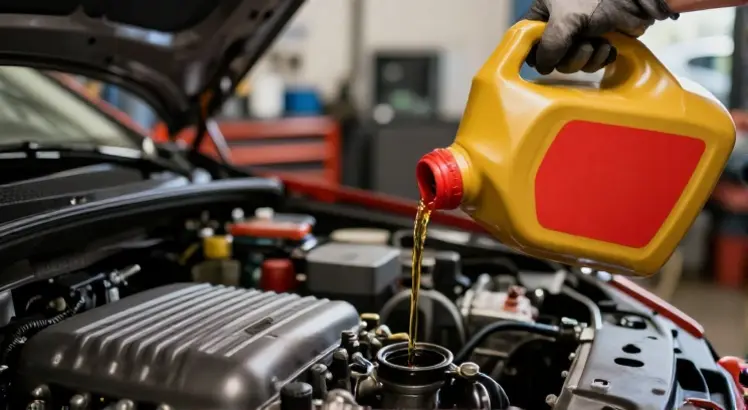
If you have ever walked down the oil aisle at an auto parts store, you have probably seen the Shell logo on a variety of bottles. But many drivers ask the same question: does Shell make oil for gas engines? The short answer is yes, absolutely. Shell produces a wide range of engine oils designed specifically for gasoline-powered cars, trucks, and SUVs. However, the story gets a little more interesting because Shell also owns other major oil brands that many people do not immediately connect to the big yellow shell.
In this article, we will clear up any confusion. We will explore Shell’s own gas engine oil lineup, look at the popular subsidiary brands they manufacture, and explain the difference between their diesel and gasoline formulas. You will walk away knowing exactly which Shell products are safe to pour into your gas engine.
Understanding Shell’s Motor Oil Portfolio
Shell is a global energy giant, and its lubricants division is one of the largest in the world. When people ask does Shell make oil for gas engines, they are often thinking of the classic Shell-branded jugs. The truth is Shell has two distinct channels for gasoline engine oils: their own Shell-branded products and their family of subsidiary brands.
Shell directly manufactures and sells gas engine oils under the Shell Helix and Shell Rotella Gas Truck names. At the same time, they are the parent company of Pennzoil and Quaker State, two of the most recognized names in passenger car motor oil. This means that when you buy a bottle of Pennzoil Platinum or Quaker State Full Synthetic, you are technically buying a product made by Shell.
This dual approach allows Shell to cater to different markets. Shell Helix is extremely popular in Europe and Asia, while Pennzoil and Quaker State dominate the North American shelves. Understanding this structure helps you find the right oil even if the bottle does not have a scallop shell on the front.
Shell-Branded Gas Engine Oils
If you specifically want a bottle with the Shell name on it for your gasoline engine, the primary product family to look for is Shell Helix. This lineup is built using advanced synthetic technology and is designed to keep modern gas engines clean and protected.
Shell Helix Ultra
Shell Helix Ultra is Shell’s flagship fully synthetic oil. It is formulated from natural gas using their PurePlus Technology, which converts natural gas into a crystal-clear base oil with very few impurities. This base oil is typically cleaner than those made from traditional crude oil.
This oil is ideal for high-performance gas engines, including turbocharged and direct-injection models. It meets tough specifications like API SP and ILSAC GF-6, which means it protects against low-speed pre-ignition (LSPI), a common problem in modern turbo gas engines. It also flows well in cold weather, reducing wear during cold starts.
Shell Helix HX7 and HX8
For drivers who prefer a synthetic blend or a more affordable semi-synthetic option, Shell offers Helix HX7 and HX8. These oils still provide excellent sludge protection and engine cleanliness for gasoline engines. They are a solid choice for daily commuters and older vehicles that do not require a full synthetic but still benefit from modern additive packages.
Shell Rotella Gas Truck
One product that directly answers the question does Shell make oil for gas engines in the truck market is Shell Rotella Gas Truck. While the Rotella name is famous for heavy-duty diesel oils, Shell engineered this specific formula for gasoline pickup trucks and SUVs.
It is a full synthetic oil designed to handle the severe duty cycles of trucks that tow, haul, and off-road. It provides exceptional wear protection and thermal stability, making it a favorite among owners of Ford F-150s, Ram 1500s, and Chevrolet Silverados who demand more from their oil. If you have ever wondered whether Shell Rotella is good oil, the answer is a resounding yes, especially when you choose the right Rotella for your engine type.
Shell’s Subsidiary Brands for Gasoline Engines
Beyond the bottles that carry the Shell name, the company also makes oil for gas engines under two massive American brands. If you have ever used a yellow bottle of Pennzoil or a green bottle of Quaker State, you have used Shell-engineered oil.
Pennzoil Platinum and Ultra Platinum
Pennzoil is one of the most trusted names in the industry, and it is 100 percent manufactured by Shell. The Pennzoil Platinum line uses the same PurePlus gas-to-liquid technology found in Shell Helix Ultra. This base oil is then combined with a high-quality additive package to create an oil that excels at keeping pistons clean and protecting against engine knock.
Pennzoil Ultra Platinum is their top-tier option, often recommended for extreme performance engines. If you are looking for the best oil for gas engines and want a product that has proven results in independent testing, Pennzoil Platinum is consistently ranked at the top.
Quaker State Full Synthetic
Quaker State is another Shell-owned label that makes excellent oil for gas engines. Their full synthetic lineup offers excellent protection against wear and oxidation. It is often priced more competitively than Pennzoil, making it a very strong value pick. Quaker State also offers high-mileage formulas for gas engines with over 75,000 miles, which include seal conditioners to prevent leaks.
Diesel Oil vs. Gasoline Oil: What Is the Difference?
Much of the confusion around Shell and gas engines comes from their famous Rotella diesel line. It is important to understand why a diesel oil is different. Diesel engine oils typically contain higher levels of detergents and anti-wear additives, such as zinc (ZDDP), to handle the soot and high-compression environment of a diesel engine.
Modern gas engine oils have reduced levels of certain additives to protect catalytic converters and meet fuel economy standards. Using a heavy-duty diesel oil in a modern gas engine might damage the emissions system over time, although in some older flat-tappet engines, the high zinc content of diesel oil is actually a benefit. Shell makes this distinction clear by labeling their diesel oils as Rotella T and their gas truck oil as Rotella Gas Truck.
Can You Use Shell Rotella T6 in a Gas Engine?
This is one of the most common follow-up questions when someone asks, does Shell make oil for gas engines. Rotella T6 is a heavy-duty diesel engine oil. While it does carry the API S rating (which stands for Service, for gasoline engines) in addition to the C rating for diesels, it is not ideal for modern gasoline cars.
The high phosphorus and zinc content in T6 can shorten the life of catalytic converters and oxygen sensors in modern tight-emission vehicles. However, many motorcyclists and older hot rod owners love T6 because those engines lack sensitive emissions controls. If you have a modern gas car with a warranty, stick to Shell Helix, Pennzoil, or Quaker State gas-rated oils.
How to Choose the Right Shell Oil for Your Gas Engine
Picking the right product is simple once you know what to look for. The best approach is to check your vehicle’s owner’s manual for the recommended viscosity grade and specification. Look for a Shell product that matches that spec. Here is a quick breakdown to make the decision easier:
- Modern turbocharged gas engines: Shell Helix Ultra or Pennzoil Ultra Platinum in 0W-20 or 5W-30. These meet API SP and protect against LSPI.
- Daily commuter sedans and SUVs: Shell Helix HX8 or Quaker State Full Synthetic provide great value and protection.
- Gasoline trucks used for towing: Shell Rotella Gas Truck 5W-30 or 0W-20. It is engineered for severe duty and high heat.
- High-mileage gas engines: Pennzoil High Mileage or Quaker State High Mileage to condition seals and reduce leaks.
Always verify the API donut symbol on the back of the bottle. If it says API SP or ILSAC GF-6, it has passed the latest tests for gasoline engine protection and fuel economy. Shell’s gas engine oils consistently meet these strict standards, and you can verify their performance data on Shell’s official lubricant recommendations.
Frequently Asked Questions
Is Shell Helix safe for gas engines?
Yes. Shell Helix is specifically formulated for gasoline and light-duty diesel engines. The fully synthetic Helix Ultra meets the latest API SP and ILSAC GF-6 specifications, making it perfectly safe and highly protective for modern gas engines, including those with turbochargers.
Is Pennzoil actually made by Shell?
Yes, Pennzoil is a wholly-owned brand of Shell. The oil is manufactured using Shell’s PurePlus Technology, which creates a crystal-clear base oil from natural gas. When you buy Pennzoil, you are getting Shell science under a different label.
Can I use Shell Rotella Gas Truck in a standard sedan?
You can, but you do not necessarily need to. Rotella Gas Truck is built for severe-duty trucks and SUVs. It will protect a car engine just fine, but it may be overkill for a standard commuter. Using an oil like Shell Helix or Quaker State that matches your manual is often more cost-effective.
What oil change interval should I use with Shell gas engine oils?
Shell’s full synthetic products, like Helix Ultra and Rotella Gas Truck, can typically last between 7,500 and 10,000 miles depending on driving conditions. Always follow the maintenance schedule in your vehicle’s owner manual. Short trips, dusty roads, and towing fall under severe conditions and will require more frequent changes.
Final Thoughts on Shell and Gas Engine Oil
So, does Shell make oil for gas engines? Without a doubt, they do. Shell manufactures a complete range of high-quality gasoline engine oils under the Shell Helix and Shell Rotella Gas Truck names, and they own two of the most trusted brands in the industry, Pennzoil and Quaker State. Whether you need a fully synthetic oil for a high-strung turbo motor or a reliable synthetic blend for an aging daily driver, Shell has an option that fits.
The key is matching the oil’s specifications to your engine, not just recognizing the brand. Stick to the recommended viscosity, look for the API SP or GF-6 seal, and you can confidently pour Shell-made oil into your gas engine. Next time you are in the oil aisle, you will know exactly which bottles belong in your shopping cart.