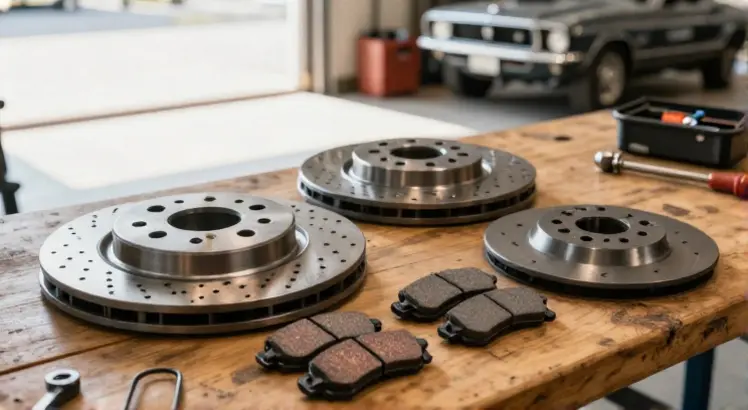
If your vehicle shudders when you press the brake pedal or you hear a grinding noise every time you slow down, a complete brake pad and rotor kit front and rear might be exactly what you need. Many drivers replace only one axle at a time, but a full front and rear kit offers better performance, longer life, and safer stopping. In this guide, we will walk through everything from choosing the right materials to avoiding common installation mistakes.
Brake systems are the most critical safety feature on your car. Ignoring worn pads or grooved rotors can double your stopping distance in an emergency. Whether you are a weekend DIY mechanic or just want to understand what your shop recommends, this article will give you the knowledge to make an informed decision.
What Is a Brake Pad and Rotor Kit Front and Rear

Detroit Axle – Brake Kit for 11-20 Toyota Sienna, 14-19 Highlander, 10-15 Lexus RX350 RX450h Disc Brake Rotors and Ceramic Brakes Pads Front and Rear Replacement
Check PriceA brake pad and rotor kit front and rear includes all the friction components needed to service both axles of your vehicle. Typically, the kit contains four brake rotors (two front, two rear) and a full set of brake pads, often eight pads in total. Some kits also include wear sensors, hardware clips, or shims. By replacing everything at once, you restore the entire braking system to like-new condition.
Unlike mixing and matching parts from different brands, a coordinated kit ensures that the rotors and pads are engineered to work together. This compatibility reduces noise, vibration, and uneven wear. It also simplifies the shopping process because you do not have to hunt for matching rear pads or the correct rotor diameter.
Why Replace Front and Rear Brakes Together

Detroit Axle – Brake Kit for Nissan Pathfinder Infiniti JX35 QX60 Murano, Drilled & Slotted Brakes Rotors Ceramic Pads Replacement
Check PriceMany owners wonder if they really need a full kit or if they can just do the front brakes now and the rears later. While the front brakes handle about 70 percent of stopping force, the rear brakes provide stability and help prevent nose-diving. When rear pads and rotors are worn, the vehicle can feel loose or unstable during hard stops.
Installing a brake pad and rotor kit front and rear all at once gives you balanced braking performance. It also saves labor time in the long run because you only have to jack up the car and work on the brakes once. From a safety standpoint, fresh friction material on all four corners delivers the shortest possible stopping distance and most predictable pedal feel.
Balanced Braking and Pedal Feel
When front and rear brake components wear at different rates, you may feel a pulsation or delayed response. A complete kit eliminates these inconsistencies. The pedal becomes firm and linear the moment you finish bedding in the new pads and rotors.
Longer Rotor and Pad Life
Old, uneven rotors can ruin a new set of pads in a few thousand miles. If you only replace front pads while the rear rotors are scored, the front pads will bear extra heat and wear faster. A full set resets the clock on all four corners, which helps you get maximum mileage from the entire brake job.
How to Choose the Right Kit for Your Vehicle

Acinoparts Front and Rear Brake Kit, Drilled and Slotted Brake Rotors Ceramic Brake Pads Suitable for Cadillac Escalade Chevy Silverado 1500 Tahoe GMC Yukon
Check PriceNot all brake pad and rotor kits are created equal. The right kit depends on your driving habits, vehicle type, and local climate. Before clicking “buy,” confirm the exact year, make, model, and submodel of your car. Many vehicles have multiple brake options, such as heavy-duty brakes for towing packages or sport packages with larger rotors.
- Check your vehicle owner’s manual or the sticker in the driver door jamb for brake system codes.
- Measure your current rotor diameter if you are unsure: a small difference can mean the wrong part.
- Look for kits that use OEM-style center hats and vane configurations for proper cooling.
When shopping online, use the fitment tools provided by retailers. Do not guess. Even if a kit says it fits your model, read the reviews to see if any drivers with the same trim level had issues. Taking a few extra minutes here prevents the frustration of a return.
Brake Pad Material Options in Kits

Detroit Axle – 4WD Brake Kit for 2012-2022 Ford F-250 Super Duty 2013-2022 F-350 Super Duty, 14.29″ inch Front Rear Drilled Slotted Brake Rotors Ceramic Brakes Pads Replacement
Check PriceThe friction material on the pads is the heart of any brake pad and rotor kit front and rear. Most kits come with one of three main types: ceramic, semi-metallic, or organic. Each material has distinct trade-offs in noise, dust, stopping power, and rotor wear.
Ceramic Brake Pads
Ceramic pads are quiet, produce very little visible dust, and offer smooth, linear braking. They perform well in a wide temperature range and are gentle on rotors. However, they can be more expensive and do not always provide the initial bite that performance drivers prefer. For daily commuters and family vehicles, ceramic is often the top choice.
Semi-Metallic Brake Pads
Semi-metallic pads contain a high percentage of iron, copper, or steel fibers. They deliver excellent heat transfer and aggressive stopping power, making them ideal for trucks, SUVs, and performance applications. The trade-off is more brake dust on your wheels and a slightly higher chance of noise. If you frequently tow or drive in mountains, semi-metallic pads in your kit will serve you well.
Organic Brake Pads
Organic pads use materials like rubber, glass, and Kevlar bonded with resin. They are soft, quiet, and affordable. The downside is faster wear and reduced performance under heavy braking. These pads are best suited for lightweight cars driven gently in urban environments. Many economy-focused kits use organic rear pads paired with more robust front pads.
Rotor Design and Coatings
Detroit Axle – Brake Kit for 07-11 Toyota Camry 08-12 Avalon 07-12 Lexus ES350 Replacement Disc Brake Rotors and Ceramic Brakes Pads
Check PriceThe rotors in a brake pad and rotor kit front and rear can be solid, vented, drilled, or slotted. Most modern vehicles use vented front rotors and solid rear rotors, but performance kits may include drilled and slotted designs. These features help dissipate heat and clear away gas and water, but they can slightly increase pad wear and noise.
Corrosion resistance is another factor. Many premium rotors come with a zinc or geomet coating that prevents rust on the non-friction surfaces. This keeps the rotor hat and edges looking clean and makes future disassembly easier. If you live in a region with road salt or high humidity, a coated rotor is a wise investment.
Installation: DIY or Pro Mechanic
Replacing a full brake pad and rotor kit front and rear is a manageable job for someone with basic mechanical skills. You will need a jack, jack stands, a socket set, a torque wrench, and a brake caliper compression tool. Having a friend to help bleed the brakes afterward is also useful. However, if you are not confident working on critical safety systems, a professional installation is worth the labor cost.
Time matters. A DIY job on four corners typically takes between two and four hours, depending on rust and seized bolts. A shop can do it in one to two hours with a lift. Either way, never rush the bedding-in procedure. Proper break-in transfers an even layer of pad material onto the rotors and ensures quiet, vibration-free stops.
Step by Step Installation Overview
While every vehicle is different, the general process remains the same. Always consult a repair manual specific to your model before you begin. Safety glasses and gloves are non-negotiable.
- Loosen the lug nuts, lift the vehicle, and secure it on jack stands.
- Remove the caliper and bracket, then the old rotor.
- Clean the hub face thoroughly to prevent rotor runout.
- Install the new rotor, compress the caliper piston, and fit the new pads.
- Reassemble everything and torque all fasteners to manufacturer specifications.
- After completing all four wheels, pump the brake pedal before driving.
Many DIYers forget the final step: bedding the brakes. Perform a series of moderate stops from about 40 mph down to 10 mph, then drive without stopping fully for a few minutes to cool the rotors. This process gives you optimal performance and prevents hot spots.
Common Mistakes When Buying a Kit
Choosing the wrong kit can lead to vibration, squealing, or even reduced braking power. One frequent error is assuming all trim levels use the same brake size. A vehicle with a sport package might have larger front rotors, while a base model uses a smaller diameter. Double-checking measurements prevents this headache.
Another mistake is ignoring the brake hardware. Many affordable kits do not include new abutment clips or pad shims. Reusing rusty hardware can cause the pads to bind, leading to uneven wear and dragging brakes. When you compare kits, look for ones that include all necessary springs and clips. Investing a little more upfront saves time and annoyance later.
Skipping the break-in period is also a common shortcut. Glazed pads and uneven transfer layers result from hard driving immediately after installation. Follow the manufacturer’s bedding instructions precisely, and you will enjoy quiet, consistent braking for the life of the pads.
Top Brands and What to Look For
There are dozens of brands offering a brake pad and rotor kit front and rear, but a few stand out for quality and consistency. Power Stop, for example, is well-known for complete geomet-coated kits that include upgraded components. Bosch QuietCast kits focus on noise-free operation and include premium hardware. Wagner and AC Delco offer excellent OEM-style replacements for those who want factory-like feel.
When comparing brands, read the fine print on what is included. Some kits advertise a low price but omit wear sensors that your vehicle requires. Others may use rotors with minimal anti-corrosion coating that rust after one winter. Choose a kit that balances material quality and completeness. You can also refer to a detailed guide on brake rotor and pad combinations to see real-world comparisons.
If you are interested in upgrading beyond stock performance, a selection of high-quality aftermarket brake pads can give you stronger bite and better fade resistance. Many aftermarket options pair perfectly with matched rotors from the same brand, creating a cohesive upgrade without guesswork.
Signs You Need a Brake Pad and Rotor Kit Front and Rear Immediately
Brakes usually give clear warnings before they fail. Do not ignore these red flags.
- A metallic screeching or grinding noise when braking means the wear indicators are touching or the pads are gone.
- Vibration or pulsation in the pedal and steering wheel points to warped rotors.
- Longer stopping distances or a soft, spongy pedal indicate compromised friction or air in the lines.
- Visible grooves, cracks, or a lip on the rotor edge require immediate replacement.
Checking your brake pads visually every oil change is a good habit. Most pads have a slot in the center, when that slot disappears, the pad is due for replacement. Rotors can be measured with a micrometer; if they are below the minimum thickness stamped on the hat, they must go.
Cost Analysis: Are Full Kits Worth It
At first glance, a brake pad and rotor kit front and rear may seem like a large expense. However, buying components separately often costs 20 to 30 percent more when you factor in individual shipping, missing hardware, and the time spent sourcing parts. Kits bundle everything at a volume discount, and many manufacturers back them with solid warranties.
Labor is another factor. If you pay a mechanic, doing all four corners at once typically reduces the total labor hours compared to two separate visits. You also avoid the risk of driving with mismatched pad compounds. In the end, the complete kit approach is usually the most cost-effective and safe strategy.
Frequently Asked Questions
Can I just replace the pads and keep my old rotors
Yes, if the rotors are still above the minimum thickness and perfectly smooth, you can replace only the pads. However, putting new pads on worn rotors often leads to noise and shorter pad life. A kit ensures a perfectly matched surface.
How long does a full front and rear brake kit last
Mileage varies widely based on driving habits. City driving with frequent stops may wear a kit in 30,000 to 50,000 miles. Highway driving can extend life to 70,000 miles or more. Ceramic pads and quality rotors tend to last the longest.
Are drilled and slotted rotors better for daily driving
For most daily drivers, solid or vented rotors work perfectly. Drilled and slotted rotors dissipate heat faster during aggressive driving but can create more noise and slightly accelerate pad wear. They are best suited for performance cars or heavy vehicles that regularly descend steep grades.
Do I need to bleed the brakes after replacing pads and rotors
If you simply compress the caliper pistons without opening the bleeder valves, a full bleed is not always required. However, braking performance often improves with fresh fluid. Many mechanics recommend a brake fluid flush during the same service, especially if the fluid is dark or contaminated.
Why does my new brake kit squeak at low speeds
New brakes can make noise if the pads and rotors have not been properly bedded. Ensure you performed the recommended break-in cycle. Also check that the hardware clips and shims are correctly installed and lubricated. A thin layer of anti-squeal compound on the back of the pads can help.
Conclusion
A brake pad and rotor kit front and rear is one of the smartest investments you can make in your vehicle’s safety and driving comfort. It eliminates the guesswork of matching parts, saves money compared to piecemeal purchases, and restores balanced braking performance. Whether you choose a ceramic kit for quiet commuting or a semi-metallic setup for towing, doing all four corners at once is the way to go.
After installation, follow the bed-in procedure carefully and inspect your brakes during every tire rotation. For further reading, check the brake safety recommendations for official guidance on maintaining your brake system. Your safety and the safety of everyone else on the road starts with what happens when your foot hits that pedal.