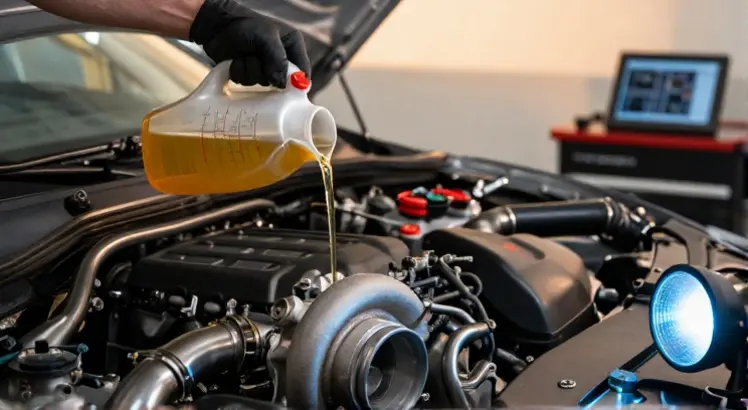
If you have ever felt the rush of a turbocharged engine kicking in, you know how addictive that surge of power can be. Modern turbo engines deliver impressive fuel efficiency without sacrificing performance. But learning how to maintain turbo engine components properly is the only way to keep that thrill alive for the long haul.
Turbochargers spin at incredible speeds and operate under extreme heat. Small neglect can lead to expensive repairs that nobody wants to face. The good news is that a solid routine protects your investment and prevents catastrophic failure.
In this guide, you will learn the exact steps to extend the life of your turbocharged car. We will cover oil selection, driving habits, cooling procedures, and filter maintenance. By the end, you will have a clear, actionable plan to keep that turbo spooling smoothly for years.
Understanding Your Turbocharged Engine
A turbocharger forces extra air into the combustion chamber, creating more power from a smaller engine. The turbine wheel, spinning sometimes beyond 150,000 revolutions per minute, shares its shaft with a compressor wheel. This compact design relies on a thin film of oil to keep metal parts from touching.
Heat is the biggest enemy here. Exhaust gases driving the turbine can easily exceed 1,000 degrees Fahrenheit. That intense heat transfers to the turbo center housing, where oil flows to lubricate and cool the bearings. Any sludge or carbon buildup in that oil pathway chokes the life out of the turbo quickly.
Most factory turbo systems are engineered for reliability, not just peak performance. However, the margin for error is smaller than on a naturally aspirated engine. Understanding this delicate balance helps you appreciate why maintenance routines matter so much.
There is a direct link between engine oil quality and turbo lifespan. Cheap, conventional oils break down faster under high heat, leaving deposits inside the turbo. Moving to a robust synthetic formula is one of the smartest decisions you can make as a turbo owner, as outlined in our look at the benefits of synthetic oil in turbo engines.
Essential Turbo Maintenance Practices
Choosing the Right Engine Oil

Mobil 1 Turbo Diesel Truck Full Synthetic Motor Oil 5W-40, 1 Gal
Check PriceOil is the lifeblood of any engine, but for a turbocharged unit, it is the single most critical fluid. High heat demands oil that resists thermal breakdown and maintains its viscosity. Stick with fully synthetic oils designed for turbocharged applications, which flow better at startup and protect under extreme load.
Check your owner’s manual for the recommended viscosity grade, often a 5W-30 or 0W-40 for forced induction engines. Some manufacturers even require specific additive packages to prevent low-speed pre-ignition. Never substitute a lower grade just to save a few dollars at the oil change shop.
Using the correct oil specification goes beyond just picking a brand. Look for certifications like API SP or ILSAC GF-6, which address modern turbocharger demands. If you are unsure which product to pick, our guide on choosing the right 5W30 synthetic oil can help you make an informed decision.
Shortening Oil Change Intervals

Castrol GTX Full Synthetic 5W-30 Motor Oil, 5 Quarts
Check PriceThe old rule of a 3,000-mile oil change has faded with modern synthetics, but turbo engines punish oil faster. Frequent high-load driving and heat cycles accelerate oxidation. For turbo owners, stretching oil changes to the absolute maximum interval invites coking problems.
A sensible middle ground is to change synthetic oil every 5,000 miles or six months, whichever comes first. Severe service schedules, like frequent towing or stop-and-go traffic in hot climates, call for even shorter intervals. Fresh oil removes contaminants and replenishes the additive pack that protects turbo bearings.
Some drivers rely solely on the onboard oil life monitor. While these systems are clever, they cannot always account for the intense micro-coking inside a turbo. Setting a personal reminder earlier than the maximum recommended mileage is cheap insurance against premature wear.
Driving Habits That Protect Your Turbo
The Importance of Warming Up
When you start a cold engine, the oil is thick and needs a moment to circulate fully. Do not fire up the car and immediately blast onto the highway under heavy boost. Instead, let the engine idle for at least 30 seconds to one minute before you pull away, then drive gently.
Gentle driving for the first ten minutes brings the oil and coolant up to operating temperature without shocking the turbo. Keeping revs below 3,000 RPM until the temperature gauge begins to move is a safe practice. This habit dramatically reduces bearing wear caused by cold, sluggish oil flow.
After a long highway cruise, the turbo core is heat-soaked. Make the final few minutes of your drive low-load. Pull into your driveway gently, let the engine idle for 30 to 60 seconds, and then shut it off. This allows oil to continue circulating and removes heat from the bearing housing.
Cool Down After Hard Driving
If you have been driving aggressively, climbing steep grades, or towing, a cool down period is not optional, it is mandatory. The turbo housing can literally glow red under sustained boost. Shutting off the engine instantly traps that heat, baking the oil inside into hard carbon deposits.
Many modern vehicles come with auxiliary electric water pumps that circulate coolant after shutdown. Do not treat this system as a free pass. It helps, but a minute of easy driving plus a short idle makes a measurable difference in turbo longevity.
Think of the cool down as a ritual, similar to stretching after a workout. You are gradually reducing the thermal stress instead of slamming the brakes on the entire system. This single habit often separates high-mileage turbos from those that fail before 80,000 miles.
Filter Maintenance for Clean Air and Oil
High-Quality Oil Filters
A premium oil filter traps particles that would otherwise travel through the turbo bearing clearances. Cheaper filters with cardboard end caps and poor media can collapse under high pressure, starving the turbo of oil. Always use a filter that meets or exceeds OEM specification.
The bypass valve rating matters on turbocharged applications. During a cold start, thick oil can force the filter into bypass mode, sending unfiltered oil straight to the turbo. Filters with a silicone anti-drain back valve prevent dry starts by keeping oil in the upper galleries.
Change the oil filter with every oil change service without exception. Saving a few dollars by skipping the filter negates the entire purpose of putting fresh oil in the engine. A clogged filter restricts flow, which is fatal for a turbo spinning at six-figure RPMs.
Engine Air Filter Care
The turbo compressor draws in a massive volume of air, and any incoming debris damages the compressor blades. A dirty or torn air filter acts like a sandblaster inside your intake tract. Inspect the air filter at least every 15,000 miles, and replace it annually or sooner if you drive on dusty roads.
Some enthusiasts install oiled cotton performance filters for better flow. When over-oiled, these can foul mass airflow sensors and reduce engine performance. If you choose a reusable performance filter, clean and re-oil it carefully following the manufacturer’s exact instructions.
Do not overlook the PCV (positive crankcase ventilation) system either. A failing PCV valve allows oil vapor and sludge to coat the intake and compressor wheel. Keeping the ventilation system clear stops sticky buildup that can unbalance the turbo shaft over time.
Monitoring Boost and Performance
Your senses are powerful diagnostic tools. Listen for any unusual whistling, whining, or siren-like noises that change with boost pressure. These sounds often indicate a boost leak, a failing bearing, or a damaged compressor wheel making contact with the housing.
A boost gauge, whether factory or aftermarket, gives you early warning of trouble. If you notice peak boost levels dropping over time, a leak in the intercooler piping or a sticking wastegate actuator could be the cause. Catching these small issues prevents them from over-spooling and overspeeding the turbo to compensate.
Check for blue or black smoke from the exhaust during acceleration. Blue smoke suggests oil is getting past the turbo seals into the exhaust or intake. Black smoke points to a rich fuel mixture, which washes oil off cylinder walls and dilutes engine oil, harming turbo lubrication indirectly.
Boost leaks force the turbo to work harder to achieve target pressure, generating excess heat. A simple smoke test at a reputable shop identifies cracked hoses and loose clamps. Fixing these leaks restores proper efficiency and keeps intake air temperatures in check.
Spark Plugs and Fuel Quality
Turbocharged engines place higher demands on the ignition system. Worn spark plugs can cause misfires under boost, sending raw fuel into the exhaust that overheats the catalytic converter and the turbine housing. Stick to the factory recommended plug type and heat range.
Turbo engines frequently use one step colder spark plugs from the factory to manage cylinder temperatures. Installing hotter plugs can lead to detonation, which pound the piston rings and send shockwaves through the turbo. Replace plugs on time, and keep the coil packs in good condition.
Using high-quality fuel with the correct octane rating prevents harmful detonation. A tank of low-octane fuel might trigger the knock sensor and cause the ECU to pull timing, but repeated exposure damages components. Forced induction engines are less forgiving, so choose top-tier gasoline whenever possible.
Cooling System Health
The cooling system does double duty on a turbocharged car because many turbos are liquid-cooled. Low coolant levels or old, acidic coolant can cause hot spots around the turbo housing. Flush the cooling system according to the manufacturer’s schedule, typically every two to five years.
Thermostat operation is critical, a stuck-closed thermostat can overheat the engine and turbo in minutes. Watch the temperature gauge closely, and if it climbs above normal, pull over and investigate immediately. Overheating warps the turbo center housing and destroys bearing clearances permanently.
Radiator fins clogged with bugs and dirt reduce efficiency. Spray the radiator and intercooler fins gently with a garden hose during car washes, being careful not to bend them. Better airflow means lower coolant and intake air temperatures, both of which directly benefit turbo longevity.
Common Turbo Myths Debunked
- Myth: Turbo timers are mandatory on all turbo cars. Truth: Modern synthetic oils and water-cooled housings reduce the need, but a gentle cool down lap still matters for extreme use.
- Myth: Idling for ten minutes warms up the engine best. Truth: Excessive idling leads to fuel dilution and carbon deposits. A short warm-up plus easy driving works better.
- Myth: Letting the turbo “glow” is normal after any drive. Truth: A faint glow under max load on a dyno is one thing, seeing it regularly on the street signals an overheating issue or driving habit that needs correction.
- Myth: A blow-off valve sound means failure. Truth: Many factory diverter valves vent air quietly back into the intake, a whoosh from a vent-to-atmosphere setup is often just noise.
Frequently Asked Questions

Valvoline European Vehicle Full Synthetic SAE 5W-40 Motor Oil 5 QT
Check PriceHow often should I change oil in a turbocharged engine?
Most experts recommend synthetic oil changes every 5,000 miles or six months, even if the manufacturer’s maximum interval is longer. Severe driving conditions like towing, track use, or hot city traffic demand changes every 3,000 to 4,000 miles for safe turbo protection.
Can I turn off the engine immediately after driving?
If you have driven gently and the last few minutes were low-load, a short 30-second idle is usually enough. After hard acceleration, high speeds, or towing, let the engine idle for at least one to two minutes to circulate oil and coolant through the superheated turbo.
What are the signs of a failing turbo?
Common symptoms include a loud siren or whining noise under boost, blue exhaust smoke indicating oil burning, loss of power, and excessive oil consumption. Check the intercooler piping for oil pooling, which signals seal leakage.
Is premium fuel necessary for a turbo engine?
If the manufacturer requires premium fuel, using regular can cause detonation and damage. Even on engines designed for regular fuel, top-tier gasoline with quality detergents helps keep injectors and intake valves clean, supporting consistent turbo performance.
Do turbo engines need special spark plugs?
Yes, turbo engines often use plugs with a colder heat range and a tighter gap specification. Always replace them with the exact type and specification listed in the owner’s manual to prevent misfires and pre-ignition under boost.
Conclusion
Knowing how to maintain turbo engine systems is not about complicated rituals, it is about consistency and respect for heat management. The fundamental rules stay the same: clean synthetic oil, short change intervals, proper warming and cooling, and clean filters.
Every time you delay an oil change or skip a cooldown, you are trading short-term convenience for long-term expense. A new turbocharger costs thousands of dollars, while preventive care costs pennies per mile in comparison. Treat your turbo well, and it will reward you with responsive, reliable performance.
Start implementing these habits today, and you will notice the confidence that comes with a healthy engine. For deeper technical guidance, you can explore authoritative resources like the Turbo System Optimization from Garrett Motion. Pair that with your diligent routine, and your turbocharged car will stay strong for well over 100,000 miles.