
If you have ever stood in the auto parts aisle wondering who makes the best synthetic motor oil, you know the feeling of being overwhelmed by shiny bottles and big claims. Every brand promises superior protection and longer engine life. But not all synthetic oils are created equal. The best one for your car depends on how the oil is made, what standards it meets, and how you drive every day.
In this guide, we go beyond marketing slogans to show you exactly which brands truly deliver. You will learn what separates a premium synthetic from an average one, see the top brands compared, and get practical advice on choosing the right oil. Whether you drive a high-mileage truck or a turbocharged commuter car, you will leave here with a clear answer.
What Makes a Synthetic Motor Oil the Best?

Castrol EDGE Extended Performance 5W-30 Advanced Full Synthetic Motor Oil, 5 Quarts, Pack of 3
Check PriceBefore naming names, you need to understand the foundation of a top-tier oil. The best synthetic motor oil starts with a pure, highly refined base oil. Full synthetics use chemically engineered molecules that are far more uniform than conventional mineral oils. This uniformity reduces friction, resists heat breakdown, and flows better in extreme cold.
However, base oil alone does not win the race. Additive packages make the real difference. The best oils contain robust doses of anti-wear agents like zinc dialkyldithiophosphate (ZDDP), detergents that prevent sludge, corrosion inhibitors, and viscosity modifiers. When these additives are carefully balanced, the oil maintains stable viscosity across temperature swings and keeps internal engine parts clean for thousands of miles.
Industry certifications are another telltale sign of quality. Look for oils that carry the API SP certification, ILSAC GF-6, and specific approvals like dexos1 Gen 3 for GM vehicles. These tests measure things like timing chain wear protection, low-speed pre-ignition prevention, and fuel economy improvement. A brand that consistently exceeds these benchmarks, rather than just meeting them, earns the right to be called the best. You can learn more about the licensing system through the American Petroleum Institute’s motor oil standards.
Top Brands That Make the Best Synthetic Motor Oil
Several heavy hitters dominate the conversation for a good reason. They invest millions in research and consistently outperform in independent lab tests. Here is a balanced look at the brands that automotive experts, mechanics, and enthusiasts trust the most right now.
Mobil 1: The Industry Benchmark
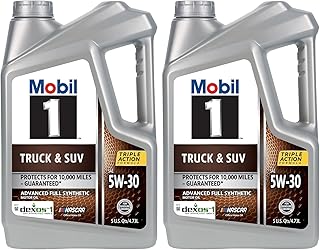
Mobil 1 Motor Oil 5W-30, 5 Quart | Full Synthetic | Truck & SUV | Pack of 2
Check PriceMobil 1 is often the first name people mention when discussing the best synthetic motor oil, and its reputation is well earned. As the factory fill for performance cars like the Corvette and many European imports, Mobil 1 has a massive track record of real-world validation. Their Advanced Full Synthetic formula uses a proprietary blend of high-performance additives and a stable base oil that resists thermal breakdown.
Independent oil analysis reports regularly show that Mobil 1 holds its viscosity grade well past the standard 5,000-mile interval. It also demonstrates excellent cold-cranking performance, making it a safe pick for drivers in frigid climates. For a closer look at how this brand performs under varied conditions, we have a detailed analysis of Mobil 1’s real-world performance. The only real downside is price, but when you value OEM approvals and decades of data, Mobil 1 remains a top contender.
Amsoil: The Enthusiast’s Choice
Amsoil does not compete on supermarket shelves, and that is by design. Their Signature Series synthetic oil is engineered for extended drain intervals, often up to 25,000 miles or one year, when using their high-efficiency filters. Amsoil leads the market in thermal stability and oxidation resistance, which means it stays thicker longer under high heat.
This oil costs more upfront, but you may change it far less often, which appeals to meticulous owners and heavy-duty users. Lab tests from used oil analysis services repeatedly show Amsoil with lower wear metals and higher total base number (TBN) retention after long runs. If you tow, race, or simply hate crawling under your car frequently, Amsoil makes a powerful case for being the absolute best.
Royal Purple: High-Performance Additives
Royal Purple built its name on the purple dye and the brand’s Synerlec additive technology. This formulation aims to form a tenacious boundary layer that reduces metal-to-metal contact more aggressively than standard oils. In high-RPM engines and racing applications, the reduced friction can translate to slightly cooler operating temperatures and a marginal horsepower gain.
For daily drivers, Royal Purple offers excellent protection, but the cost premium may not be necessary if you follow regular service intervals. Independent testing confirms that Royal Purple often outperforms conventional and some synthetics in wear protection, but it competes tightly with Mobil 1 and Amsoil rather than blowing them away. Still, for those who want every possible advantage in film strength, Royal Purple remains a premium pick.
Pennzoil Platinum: PurePlus Gas-to-Liquid Technology
Pennzoil Platinum takes a completely different approach. Instead of refining crude oil molecules, their PurePlus base stock is created from natural gas. The result is a crystal-clear base that contains virtually none of the impurities found in conventional Group III synthetics. This purity translates directly into cleaner pistons and reduced sludge formation.
In industry-standard tests like the Sequence IIIH and Sequence VH, Pennzoil Platinum scores exceptionally high on piston cleanliness and varnish control. It is also one of the few brands that Ferrari trusts as a factory fill. For modern turbocharged engines where low-speed pre-ignition can be a killer, Pennzoil’s formulation does an outstanding job of suppressing that phenomenon. If you want a uniquely clean synthetic, this brand is a serious contender.
Valvoline: Modern Protection with a Legacy of Trust

Valvoline MaxLife High Mileage Full Synthetic 5W-30 Motor Oil 5 Quart
Check PriceValvoline may not always grab the enthusiast spotlight, but their Extended Protection synthetic oil quietly punches above its weight class. The brand consistently wins or places near the top in independent wear-protection shootouts using industry-standard ASTM tests. Valvoline’s unique combination of molybdenum and boron-based anti-wear additives forms a durable sacrificial film on metal surfaces.
This oil is widely available and often priced more competitively than Mobil 1 or Amsoil, giving it a strong value proposition. Owners of high-mileage vehicles also appreciate Valvoline’s MaxLife synthetic blend, but for full synthetic loyalists, their standard Advanced Full Synthetic is a no-brainer. If you need broad OEM approvals and proven wear scores without hunting down niche products, Valvoline makes an excellent choice.
While each brand has its champions, your final decision comes down to application. For a focused comparison of the most popular viscosity grade, you can also explore our detailed guide on 5W-30 synthetic oils.
How to Pick the Right Synthetic Oil for Your Engine

Castrol GTX High Mileage 5W-30 Synthetic Blend Motor Oil, 5 Quarts, Pack of 3
Check PriceChoosing the best synthetic motor oil is not a popularity contest. You must match the oil to your engine’s design and your driving environment. Start by checking your owner’s manual for the recommended viscosity, such as 0W-20 or 5W-30. Using the wrong weight can reduce fuel economy and potentially cause long-term engine wear, regardless of how elite the brand is.
- Check the oil cap or manual for the exact SAE viscosity grade required.
- Look for the API SP or ILSAC GF-6 starburst symbol to ensure compatibility with modern engines.
- If you drive a European car, prioritize ACEA C3 or C5 ratings and specific manufacturer approvals like BMW Longlife-01 or MB 229.5.
- For high-mileage engines with over 150,000 miles, consider a synthetic with a slightly higher viscosity or dedicated seal conditioners.
- Drivers who tow, race, or encounter extreme cold should favor oils with a high viscosity index and superior cold-cranking specs.
When in doubt, stick with a brand that openly publishes its data sheets and carries approvals beyond the minimum. A quality synthetic oil will list its HTHS (high-temperature high shear) viscosity, Noack volatility percentage, and TBN. Brands that hide this information often have nothing to brag about.
Common Misconceptions About Synthetic Motor Oil
Even today, myths keep some drivers from using the best synthetic motor oil. Let us clear the air with facts. One persistent rumor is that synthetic oil causes leaks in older engines. In truth, modern synthetics contain seal conditioners that keep gaskets pliable. If a leak appears after switching, it usually means a pre-existing deposit was blocking the leak, and the high-detergent synthetic washed it away.
Another myth is that you must change synthetic oil every 3,000 miles. That advice is decades out of date. Most full synthetics can comfortably run 7,500 to 10,000 miles, and some, like Amsoil Signature Series, are rated for far more. Always follow the oil life monitor or the severe service schedule in your manual rather than an arbitrary sticker. The belief that you cannot mix synthetic with conventional is also false. Mixing them in an emergency will not harm your engine, you just lose some of the synthetic benefits.
Frequently Asked Questions
Who makes the best synthetic motor oil overall?
There is no single winner for everyone. Mobil 1, Amsoil, and Pennzoil Platinum consistently lead in independent wear tests, OEM approvals, and consumer trust. Your best choice will depend on your car’s requirements and how you use it.
Is Amsoil really better than Mobil 1?
Amsoil often shows lower wear metals and longer drain capability in used oil analysis, but Mobil 1 carries a broader range of manufacturer approvals and is easier to find. Both oils are exceptional; the edge goes to Amsoil for extended intervals and extreme protection.
Can I use the same synthetic oil in all my vehicles?
You can, as long as each engine calls for the same viscosity and certification. A high-quality 5W-30 synthetic can work in a sedan, truck, and SUV if the owner’s manual permits it. Always verify the specific API and OEM requirements for each vehicle first.
Does the best synthetic motor oil improve fuel economy?
A premium synthetic can improve fuel economy by 2 to 3 percent compared to conventional oil because it reduces internal friction. The gain is small but real, and it becomes more noticeable in cold weather when thinner synthetics flow faster to reduce start-up drag.
Should I switch to synthetic oil in an older car?
Yes, in most cases it is beneficial. Modern synthetic oils with seal conditioners and robust detergents can help clean existing deposits and protect aging bearings. If the engine already has high mileage with no history of synthetics, start with a short oil change interval to monitor any potential seepage.
The Final Word on Choosing the Best Synthetic Motor Oil
The question of who makes the best synthetic motor oil does not have a black-and-white answer. It comes down to your priorities: ultimate extended drain performance from Amsoil, broad OEM support and availability from Mobil 1, groundbreaking purity from Pennzoil Platinum, or proven wear protection on a budget from Valvoline. All four brands produce oil that will protect your engine far better than any conventional alternative.
What matters more than brand loyalty is adherence to your vehicle’s specifications and consistent oil change habits. Pick a reputable full synthetic that carries the latest API rating, stick to the recommended viscosity, and change it on time. Do that, and you can drive confidently knowing you are giving your engine exactly what it needs to last hundreds of thousands of miles.