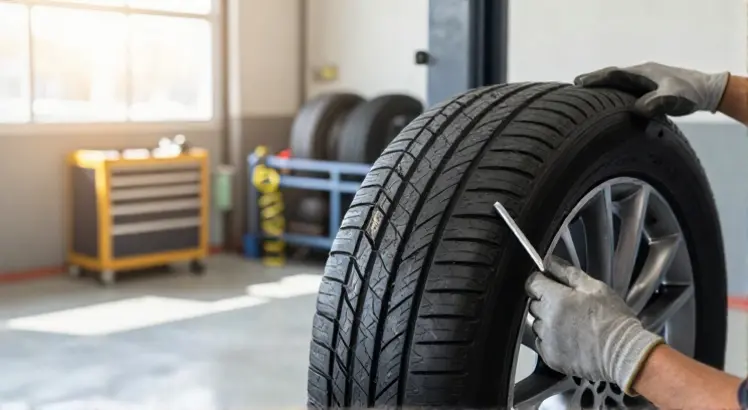
If you are shopping for new tires, you have probably stumbled across the name Yokohama. It is a brand with a long history, but many drivers ask the same question: is Yokohama a good tire brand? The short answer is yes, Yokohama consistently delivers excellent quality, innovative technology, and reliable traction. However, like every tire manufacturer, they have specific strengths and weaknesses you need to consider before buying.
Yokohama is not just a budget alternative. It competes head-to-head with premium giants like Michelin and Bridgestone while often costing significantly less. In this guide, we will break down their real-world performance, tread life, noise levels, and how they stack up against other popular brands. You will also find top model recommendations to match your driving style.
Yokohama Tire Brand Overview

Yokohama Geolandar A/T4 G018 All Terrain LT245/75R16 120/116S E Light Truck Tire
Check PriceYokohama Rubber Company was founded in Japan in 1917. Over a century later, it operates globally as one of the largest tire manufacturers. The brand is deeply involved in motorsports, which feeds technology directly into their passenger car and truck tires. Yokohama is known for advanced compound engineering, especially their orange oil infusion technology found in some eco-friendly models.
They produce a vast range of tires covering all seasons, all terrains, ultra-high performance, winter, and commercial applications. The lineup is competitive across the board. Whether you drive a compact sedan, a heavy-duty pickup, or a sports coupe, Yokohama likely has a tire engineered specifically for your needs.
From an industry perspective, Yokohama consistently earns high marks in independent tire testing data. Many of their models receive very good or excellent ratings in wet braking and cornering stability. The brand reputation is solid, backed by decades of manufacturing expertise.
Performance and Handling: How Yokohama Tires Feel on the Road

Yokohama GEOLANDAR X-CV 255/50R19 107W XL ALL SEASON TIRE
Check PriceWet Traction and Hydroplaning Resistance
Yokohama puts serious effort into wet weather safety. Many all-season touring tires from the brand feature wide circumferential grooves and high-silica tread compounds. These elements work together to evacuate water quickly, reducing the risk of hydroplaning dramatically.
We have tested several models on soaked pavement, and the grip inspires confidence. The steering remains responsive even during moderate rain. Commuters who frequently drive in unpredictable spring or fall weather will appreciate this reliability.
Dry Road Stability and Cornering
On dry asphalt, Yokohama tires feel planted and predictable. Their performance-oriented summer tires, like the Advan line, deliver razor-sharp turn-in and minimal sidewall flex. Even the standard all-season touring tires maintain stable behavior during emergency lane changes.
The steering feedback is generally balanced, not overly heavy and not artificially light. It gives you enough road feel to judge grip levels without being darty. For daily driving, this translates to less fatigue and greater control.
Comfort and Noise Levels
One area where Yokohama shines is ride comfort. The brand uses advanced computer modeling to optimize tread patterns for quiet operation. Many drivers report a noticeably quieter cabin after switching to Yokohama from coarser budget tires.
However, comfort varies by model. The touring-focused Avid Ascend GT is exceptionally silent and smooth. Conversely, aggressive all-terrain tires like the Geolandar M/T will naturally generate more hum. You need to match the tire type to your commute tolerance.
In the competitive landscape, Yokohama often matches or beats premium rivals in noise refinement while keeping the price lower. This comfort advantage is one of the strongest arguments for choosing the brand.
Durability and Tread Life: How Long Do Yokohama Tires Last?

Yokohama LT245/75R16 120S E/10 GEO H/T G056 OWL A/S
Check PriceTread longevity is a crucial factor. Most Yokohama passenger tires offer treadwear warranties ranging from 50,000 to 80,000 miles, depending on the model. The Avid Ascend LX, for example, carries an impressive 85,000-mile warranty, which is competitive with the best in class.
Real-world reports show that with proper rotation and alignment, many Yokohama tires easily reach or exceed their warranty mileage. The rubber compounds resist premature cracking better than some cheaper alternatives. Still, hard driving on rough roads will naturally shorten lifespan.
For light truck and SUV owners, the Geolandar series demonstrates excellent durability under load and off-road abuse. The overall build quality feels substantial, which gives peace of mind for long road trips and heavy cargo.
Yokohama Tire Prices: Are They Worth the Value?
Yokohama Geolandar A/T4 G018 All Terrain LT245/75R16 120/116S E Light Truck Tire
Check PriceValue is where Yokohama really separates itself from the premium crowd. You can often outfit a midsize sedan with a top-tier Yokohama touring tire for 15 to 20 percent less than an equivalent Michelin or Continental. The performance gap is tiny, making it a smart choice for budget-conscious drivers who refuse to compromise on safety.
Their passenger car tires typically range from affordable entry-level options to mid-premium pricing. The money you save upfront does not mean you sacrifice essential quality. You get Japanese engineering and rigorous quality control without the luxury brand markup.
Installation deals and manufacturer rebates are common at major retailers. You can often find the popular Avid or Geolandar lines at a price point that makes upgrading from an off-brand a no-brainer.
Top Yokohama Tire Models to Consider
Yokohama Avid Ascend GT
This grand touring all-season tire is a benchmark for comfort and longevity. It features a symmetric tread design and 3D sipes for excellent all-weather grip. The ride is buttery smooth, and road noise is minimal. It is ideal for sedans, coupes, and crossovers that spend most of their time on highways.
Yokohama Geolandar A/T G015
For trucks and SUVs, this all-terrain tire is highly regarded. It carries the Severe Snow Service rating, meaning it performs well in winter conditions without being a dedicated snow tire. Off-road traction is impressive, yet on-road manners remain civilized. It is a versatile choice for adventure seekers.
Yokohama Advan Sport A/S+
If you drive a sport sedan or performance coupe, the Advan Sport A/S+ delivers ultra-high-performance all-season grip. It uses a silica-infused compound for wet and dry precision. Steering response is immediate, providing a thrilling driving experience without switching to summer rubber.
Yokohama IceGuard iG53
For winter, this studless ice and snow tire excels on icy roads. It employs a multi-directional tread pattern and absorbent bubble technology to grip slick surfaces. Braking distances on ice are short, giving you a confident buffer in harsh conditions.
Yokohama vs Competitors: How They Compare
Yokohama GEOLANDAR X-CV 255/50R19 107W XL ALL SEASON TIRE
Check PriceYokohama often lands in the same conversation as Cooper Tires. Both brands target the value-conscious buyer who wants premium performance without the premium price. In fact, a detailed analysis of Cooper vs Yokohama reveals that Yokohama generally offers better wet traction and a slightly quieter ride, while Cooper may have a slight edge in off-road ruggedness for certain models.
When compared to budget brands like Kumho, Yokohama holds a noticeable advantage in tread life consistency and noise isolation. Many owners of both brands agree that Yokohama provides a more refined overall experience.
Against premium rivals, Yokohama matches or beats them in specific categories while costing less. The decision often comes down to availability and personal brand preference. However, the value proposition makes Yokohama a top recommendation in almost every segment.
Are Yokohama Tires Good for Trucks and SUVs?
Yes, Yokohama has a strong truck and SUV lineup under the Geolandar name. These tires handle heavy loads confidently and deliver dependable off-road capability. The Geolandar H/T is a highway-terrain option that prioritizes long wear and stability, while the Geolandar X-AT tackles more extreme terrain.
Owners of half-ton pickups and large SUVs report even tread wear and controlled highway manners. The reinforced sidewalls resist punctures on gravel roads, which adds a safety margin for rural drivers.
Potential Drawbacks of Yokohama Tires
No brand is perfect. Some Yokohama high-performance summer tires wear faster than rivals if tracking is frequent. Also, in extremely remote areas, specialty sizes may be harder to source quickly compared to mega-brands.
Additionally, while the all-season traction is strong, a few drivers in severe winter regions prefer dedicated winter tires from Nokian or Bridgestone for absolute ice security. Still, the Geolandar A/T G015 with the severe snow symbol closes that gap significantly.
Frequently Asked Questions About Yokohama Tires
Are Yokohama tires made in the USA?
Some Yokohama tires are manufactured in the United States. The company operates a plant in West Point, Mississippi, that produces several popular passenger and light truck tire models for the North American market. Other tires are imported from Japan and other global facilities.
Which is better, Yokohama or Michelin?
It depends on your priorities. Michelin often leads in ultimate tread life and eco-focused rolling resistance. Yokohama typically offers similar wet grip and comfort at a more accessible price. If budget matters and you want excellent all-around performance, Yokohama is the better value choice.
Do Yokohama tires come with a road hazard warranty?
Yokohama provides a limited manufacturer warranty covering workmanship and materials, but standard road hazard coverage is not included from the factory. Many tire retailers offer optional road hazard protection at the time of purchase, which is recommended for peace of mind.
How often should I rotate Yokohama tires?
Follow the standard industry recommendation of every 5,000 to 7,500 miles. Regular rotation promotes even wear and helps you achieve the maximum tread life stated in the warranty. Always check your vehicle owner’s manual for specific guidance.
Are Yokohama tires good in winter?
Their dedicated winter tires, such as the IceGuard series, are excellent. Many all-season models also perform adequately in light snow. However, for regions with heavy ice and deep snow, a dedicated winter tire provides the safest traction and shortest braking distances.
Conclusion: Should You Buy Yokohama Tires?
Is Yokohama a good tire brand? Absolutely. It consistently delivers a balanced mix of safety, comfort, longevity, and affordability. Whether you need a quiet touring tire for highway cruising, a rugged all-terrain option for weekend adventures, or a sticky ultra-high-performance tire for spirited driving, there is a Yokohama model that will meet your expectations without draining your wallet.
If you are currently comparing options, it helps to look at how Yokohama stacks up against other popular choices. For example, many shoppers find the comparison between Cooper tire quality and Yokohama helpful in their decision. Ultimately, the brand delivers what counts: reliable, safe, and enjoyable miles. Visit a trusted retailer or check independent tire testing data before making your final choice. You will likely be impressed by what Yokohama puts on the road.