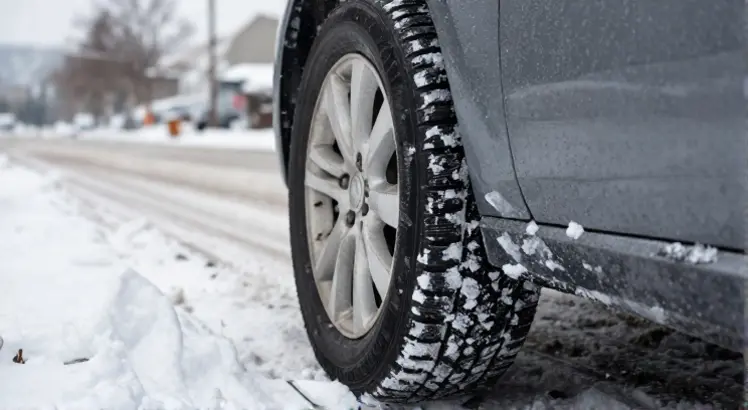
If you live in a region with harsh winters, you have probably asked yourself, can I use all season tires in winter? The quick answer is that it depends on where you live and how you drive. All season tires are designed for a wide range of conditions, including light snow, but they do not match the cold-weather grip of a dedicated winter tire. Many drivers assume that the factory all season rubber will handle everything, only to find themselves sliding through an intersection when the temperature drops. This guide gives you a clear, honest breakdown of what all season tires can and cannot do when the snow starts falling.
What Exactly Are All Season Tires?

Crossmax CHTS-1 All-Season
Check PriceAll season tires are engineered to balance performance across dry roads, wet pavement, and very light winter conditions. Their tread compound stays flexible in moderate temperatures, and the tread pattern includes grooves that channel water away to reduce the risk of hydroplaning. Compared to summer tires, they offer a much safer drive when the thermometer dips near freezing, but their capabilities have hard limits.
It helps to think of an all season tire as a jack of all trades, yet a master of none. The rubber compound used in these tires tends to stiffen as the mercury falls below 45 degrees Fahrenheit, which reduces traction even on dry, cold pavement. If you look at the sidewall, you will often see an M+S marking, meaning mud and snow, but that designation is based purely on tread geometry, not on verified ice or deep snow performance.
The Real Limits of All Season Tires in Winter

Fullway HP108 All-Season
Check PriceTemperature Sensitivity and Rubber Compounds
The most common misunderstanding about all season tires involves temperature alone. Once the air temperature consistently stays below 45 degrees Fahrenheit, the tread compound hardens, and the tire loses its ability to conform to microscopic road textures. You might still have decent tread depth, but the hardened rubber acts more like a plastic sled than a grippy shoe. This condition leads to longer braking distances, even on dry roads.
Winter tires use a silica-rich compound that remains pliable in extreme cold, which is a critical difference. Real world testing shows that a car traveling at 30 mph on packed snow can stop up to 30 feet shorter on winter tires compared to all season tires. That extra space often makes the difference between a safe stop and a collision.
Snow, Ice, and Slush Traction
When snow accumulates on the road, the shallow grooves of an all season tire fill up quickly and fail to eject snow efficiently. Winter tires use deeper tread blocks, high-density siping, and biting edges that dig into snow and ice. Additionally, all season tires lack the tiny pores that winter rubber uses to grip icy surfaces by wicking away the thin layer of water that forms on top of ice.
If you regularly face packed snow, black ice, or slush-covered highways, relying on all season tires puts you at a disadvantage. Emergency maneuvers, such as swerving to avoid an obstacle, become much harder to control because the lateral grip is significantly reduced. In those moments, you need every bit of available traction, and winter rubber provides a noticeable safety margin.
When Is It Safe to Use All Season Tires in Winter?

Ferentino Eternopresa 225/60R17
Check PriceMild Winter Climates
Drivers in places like the southern United States or coastal regions that only see a dusting of snow once or twice a year can often get by with high-quality all season tires. In these areas, the roads are rarely covered in ice for more than a few hours, and daytime temperatures usually climb above freezing. If you encounter a rare snow shower, simply reducing speed and increasing following distance can make all season tires adequate for short, cautious trips.
All Season Tires with a Three-Peak Mountain Snowflake Rating
A newer category of tire blurs the line between all season and winter performance. These tires carry the three-peak mountain snowflake symbol, which indicates they passed a standardized snow traction test. They are often marketed as all-weather tires and outperform traditional all season options in slush and moderate snow. If you are committed to a single set of tires year-round, choosing an all-weather model is a smarter path than using basic all season tires.
We have covered some top choices in our guide to the best all-season tires with winter capability. That list includes options that carry the severe snow service rating while still delivering comfortable summer manners.
When You Should Absolutely Avoid All Season Tires

Lexani Quattro Tempo Tour AW
Check PriceConsistent Freezing Temperatures
If your winter months regularly bring sustained cold below 20 degrees Fahrenheit, all season tires become a liability. The compound stiffens so much that emergency braking distances rise sharply, and even accelerating from a stoplight on a cold, dry road feels less assured. Mechanical sympathy aside, the risk of a crash goes up in these conditions.
Hilly Terrain and Unplowed Roads
Living in a mountainous area or anywhere with frequent heavy snowfall makes the all season question easy to answer: don’t risk it. Climbing a steep grade requires confident bite, and descending demands controlled braking. All season tires struggle on both fronts when the road surface becomes a sheet of compacted snow and ice. If your route includes back roads that stay unplowed for hours, a dedicated winter tire is the only sensible option.
Verify your local regulations, too. Some states and provinces require winter tires or chains during certain months, and an all season tire will not meet those legal standards unless it carries the three-peak symbol.
All Season Tires vs. Winter Tires: A Clear Comparison

Hankook Kinergy ST H735
Check PriceTo make the difference tangible, picture two identical cars traveling side by side on a snowy road at 25 mph. The car on winter tires stops cleanly at a crosswalk, while the car on all season rubber slides another half a car length before halting. That gap widens with speed and ice. Winter tires feature thousands of extra biting edges, deeper tread, and a cold-optimized compound. All season tires lack all three of those traits simultaneously.
- Winter tires stay flexible below freezing, while all season compounds stiffen.
- Winter tread patterns pack dense siping for grip on ice, while all season sipes are sparse.
- Winter tires evacuate slush and snow effectively, preventing buildup in the tread.
If your winter involves any combination of ice, compacted snow, or steep roads, you should explore a dedicated winter setup. Our guide to the top-rated winter tires for cars breaks down models that offer maximum security without breaking the bank.
Practical Tips for Driving on All Season Tires in Cold Weather

Michelin Pilot Sport AS 4
Check PriceMonitor Tread Depth Religiously
The legal minimum tread depth in most places is 2/32 of an inch, but that is completely inadequate for winter driving. Once an all season tire wears below 5/32 of an inch, its ability to handle snow and standing water drops dramatically. Use a tread depth gauge monthly and consider replacing tires before winter if they are close to the wear bars.
Adjust Your Driving Habits
If you must use all season tires in cold months, smoothness becomes your best friend. Accelerate gently, brake early and progressively, and steer with delicate inputs. Sudden movements upset the limited grip and can trigger a slide that is hard to recover. Leave at least double the usual following distance, and slow down before curves rather than during them.
Carry Emergency Supplies
When you push the limits of your tires, prepare for the unexpected. Keep a bag of sand or cat litter in your trunk to add weight over the drive wheels and to use for traction if you get stuck. Include a shovel, blankets, and a fully charged phone. Even cautious drivers can find themselves stranded when all season tires fail to find grip on an icy patch.
Check Tire Pressure Weekly
Cold air causes tire pressure to drop, which reduces the footprint of the tire and worsens winter traction. When temperatures plunge, your pressure warning light may illuminate. Keep the tires inflated to the manufacturer’s recommended level, and check them when the tires are cold for the most accurate reading.
The Hidden Cost of Using All Season Tires All Winter

Kumho Crugen HP71
Check PriceSome drivers stick with all season tires to avoid the upfront expense of a second set of wheels and tires. While the savings feel real at first, that decision can cost far more in the long run. A single avoidable accident, even a minor fender bender, often exceeds the price of winter tires when you factor in deductibles, rate increases, and out-of-pocket repairs.
Beyond financial risk, the peace of mind that comes from knowing your car will stop and steer predictably on snow is invaluable. For a deeper dive into how tire technology affects safety in freezing conditions, you can review winter tire performance data from Tire Rack. Their testing consistently shows the braking and handling gap that drivers face when they skip the winter swap.
Frequently Asked Questions
Can I use all season tires in winter if I have all-wheel drive?
All-wheel drive helps you accelerate but does nothing to improve turning or stopping. Your car’s ability to brake and corner depends entirely on the tires. A front-wheel-drive car on winter tires will out-stop and out-turn an all-wheel-drive car on all season tires every time. Think of all-wheel drive as a way to get moving, not a way to stay safe.
What is the minimum tread depth for all season tires in snow?
You want at least 5/32 of an inch of tread remaining for any snow driving. Below that threshold, the tire cannot pack snow into its grooves to create friction, and you are essentially driving on slicks. Many tire shops recommend replacing all season tires at 6/32 for winter peace of mind.
Do all season tires marked M+S count as winter tires?
No. The M+S mark only means the tread design is slightly more open than a summer tire, but there is no mandatory cold-weather compound test. Only tires with the three-peak mountain snowflake symbol meet a measurable snow traction standard. In jurisdictions that enforce winter tire laws, M+S alone is often not sufficient.
Are there all season tires that are truly good in winter?
All-weather tires bridge the gap. They wear the three-peak mountain snowflake rating while remaining usable in summer. They will not outperform a dedicated winter tire on sheer ice, but they represent a massive improvement over a basic all season tire. If you must run one set year-round, all-weather designs are the safest choice.
Conclusion
So, can I use all season tires in winter? The honest answer rests entirely on your local climate and driving demands. In mild regions with rare, light snow, a premium set of all season tires with plenty of tread can manage short, careful trips. However, once you deal with regular freezing temperatures, icy roads, or steep hills, all season tires simply fall short of the traction required to keep you safe. Winter tires unlock grip that no amount of careful driving can replicate on a hardened all season compound.
The smartest approach is to evaluate your winter reality truthfully. If you see real snow every year, invest in a separate set of winter tires. Your safety, the safety of your passengers, and the well-being of others on the road are worth far more than the cost of a second set of rubber. Choose the right tire for the season, check tread and pressure often, and adjust your driving to match the conditions. That combination gives you control when it matters most.