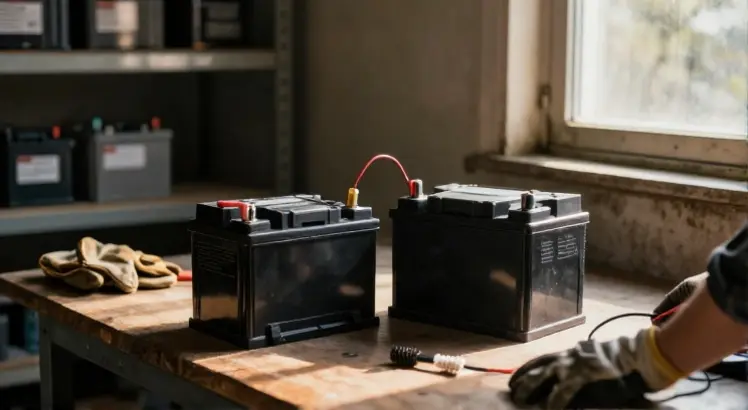
Choosing the right car battery can feel confusing, especially with so many brands and numbers thrown at you. A weak or wrong battery can leave you stranded at the worst possible time. Understanding how to choose a car battery means you will never have to second guess your decision again. This guide breaks down everything from group sizes to cold cranking amps so you can pick with confidence.
Whether you are shopping for a daily commuter, a heavy duty truck, or a luxury sedan, the principles stay the same. I have tested and replaced dozens of batteries in freezing winters and blazing summers. This real world experience helps me show you exactly what matters and what is just marketing hype. Let us get started so you can drive away with peace of mind.
Understanding Car Battery Basics

ACDelco Gold 48AGM (88864541) 36 Month Warranty AGM BCI Group 48 Battery
Check PriceBefore you open your wallet, it helps to know what a car battery actually does. Think of it as the heart of your vehicle’s electrical system. It provides the jolt of energy your starter needs to turn the engine over. Once the engine is running, the alternator takes charge and recharges the battery. Without a healthy battery, even a perfectly tuned engine will not fire up.
What is a Car Battery and How Does It Work?

Goodyear 47-H5-AGM BCI Group Size 47 12V 60 AH, 100RC, 680 CCA Platinum
Check PriceA standard automotive battery is a lead acid storage unit. Inside, a series of lead plates are submerged in an electrolyte solution of sulfuric acid and water. A chemical reaction releases electrons, creating the electricity that powers your starter motor, lights, and onboard electronics. When you turn the key, the reaction happens fast, delivering a massive burst of power in a fraction of a second.
That burst is measured in a unit you will see often, Cold Cranking Amps, or CCA. The battery does not create energy, it stores it. The alternator continuously charges it while you drive. A failing battery struggles to hold that charge, and eventually the chemical reaction inside breaks down completely.
Types of Car Batteries
You will encounter three main battery types on the shelf. Choosing the wrong one can cause electrical issues or shorten the battery life in your specific vehicle. The first is the traditional flooded lead acid battery, also called a wet cell. These are reliable, affordable, and work well in most standard vehicles. You can top off the electrolyte with distilled water, though many modern flooded batteries are sealed.
The second type is the Absorbent Glass Mat, or AGM battery. AGM batteries hold the electrolyte in a fiberglass mat rather than a free flowing liquid. They are spill proof, handle vibration better, and charge faster. Automakers install them in many modern cars with start stop technology. They typically cost more but last longer and perform better in extreme conditions.
Enhanced Flooded Batteries, or EFB, are a step up from the basic flooded design. You will find them often as original equipment in entry level start stop vehicles. They offer better cycling ability than a standard battery but do not match the deep cycling durability of an AGM. Always consult your owner’s manual to see which type your car requires.
Key Factors to Consider When Choosing a Car Battery

Mighty Max Battery MM-H6 Start and Stop Car BCI Group Size 48 12V 70 AH, 120RC
Check PriceNow that you understand the basics, you can focus on the numbers and ratings that guarantee a perfect fit. Buying a battery is not guesswork. It is about matching specific criteria to your vehicle and your climate. Ignoring these details will lead to poor performance and a shorter service life.
Battery Size and Group Number
Size matters first. Battery Council International assigns a group number to each battery dimension and terminal layout. You might see numbers like Group 24, Group 35, or Group 48. A battery that fits a Honda might not fit a Ford, even if the voltage matches. An oversized battery can rub against the hood or other components, while an undersized one will bounce around and crack.
You can find the correct group size in a few places. Look at the label on your old battery, check the owner’s manual, or use the lookup tool at any auto parts store. The terminals must match the positive on the left or right, top post or side post. Getting the size right is step one, and you simply cannot skip it.
Cold Cranking Amps (CCA) and Cranking Amps (CA)
Cold Cranking Amps is the rating that measures how many amps a battery can deliver at 0 degrees Fahrenheit for 30 seconds while maintaining voltage above 7.2 volts. The higher the CCA, the easier your engine cranks in icy weather. If you live in a northern climate, a battery with a strong CCA rating is not a luxury, it is a necessity. Ignoring CCA often means a no start on a bitter cold morning.
Cranking Amps, or CA, is similar but measured at 32 degrees Fahrenheit. That number always looks higher, which makes it a popular marketing tool. However, CCA is the more honest standard. Always compare batteries using CCA because it represents the harshest real world scenario. Choose a battery that meets or slightly exceeds your vehicle manufacturer’s minimum CCA recommendation.
Reserve Capacity (RC)
Reserve Capacity is often overlooked, but it is a vital safety net. RC tells you how many minutes the battery can discharge 25 amps at 80 degrees Fahrenheit before the voltage drops below 10.5 volts. Effectively, it indicates how long your car can keep running essential systems if the alternator fails. A higher reserve capacity means more time to pull over safely and call for help.
Drivers of modern vehicles packed with infotainment screens, heated seats, and multiple USB ports should pay close attention here. These accessories draw power even with the engine off. A battery with a solid RC rating handles that parasitic draw much better. It is a quality indicator that often distinguishes a premium battery from a budget option.
Battery Freshness and Date Code
Even a top tier battery loses power slowly sitting on a shelf. Always check the date code before you buy. Most manufacturers stamp a simple code on the case or label. A letter stands for the month, A for January, B for February, and so on, skipping I. A number stands for the year, so a code reading “D4” means April 2024. Some brands use a numeric date format that is even easier to read.
Never buy a battery that is more than six months old. The longer it sits, the more likely sulfation has started to damage the lead plates internally. A fresh battery has a better chance of lasting its full warranty period. Ask the store associate to test the voltage on the spot, a healthy new battery should read around 12.6 volts.
Warranty and Brand Reputation
A solid warranty reflects the manufacturer’s confidence in their product. Look for a full replacement period, not just a prorated discount. The best batteries often come with a three year or longer free replacement guarantee. Some budget brands offer enticingly low prices but back them with short, prorated warranties that leave you paying nearly full price for a premature failure.
Brand reputation also guides you away from trouble. You can find comprehensive testing data from independent laboratories and automotive publications. Before you commit, you might want to review a list of battery brands to steer clear of based on poor performance and short lifespans. Choosing a brand with a long history of reliability pays off in the long run.
Signs You Need a New Car Battery

OPTIMA Batteries High Performance 34/78 RedTop Sealed AGM Car, Truck, and SUV Starting Battery
Check PriceBatteries rarely die without warning, you just need to read the signs. The most obvious clue is a slow cranking engine. When you turn the key and the starter groans rather than snaps, the battery is on its way out. You might also notice that your headlights look dim at idle but brighten when you rev the engine, a classic symptom of a dying battery or a weak alternator.
Electrical oddities are another red flag. If your power windows move sluggishly or your radio resets every time you start the car, suspect the battery. A swollen, bloated battery case indicates it has overheated and needs immediate replacement. Finally, a rotten egg smell around the battery tray means the unit is leaking acid, and you must replace it right away and clean the area safely.
The age of the battery counts too. Most conventional batteries last between three and five years. If you live in a hot climate, the lifespan may be closer to three years. If your battery is older than that and you notice any of these symptoms, do not wait for a complete failure. Proactively replacing it saves you from a tow truck bill.
How to Match a Battery to Your Vehicle and Driving Habits

Weize Platinum AGM Battery BCI Group 47-12v 60ah H5 Size 47 Automotive Battery
Check PriceA battery that works fine for a retired couple might fail quickly for a delivery driver. Short trips kill batteries faster than long highway drives. The alternator needs time to replenish the energy used to start the engine. If you drive two miles to work and two miles back, your battery lives in a constant state of low charge. In that case, you need an AGM battery with superior cycling ability.
Vehicles with stop start systems demand a battery designed for that task. Do not install a standard flooded battery in a car that originally had an AGM or EFB. The charging system is calibrated to a specific battery type, and a mismatch triggers error codes and premature failure. Likewise, trucks with winches or high powered audio systems benefit from a deep cycle or dual purpose marine battery, though you must verify fitment.
Climate is your other big decision driver. Extreme heat accelerates chemical reactions inside the battery, leading to faster plate corrosion. Cold thickens the engine oil, requiring more cranking power. If you face bitter winters, prioritize CCA above all else. If you live in the desert, buy a battery known for heat tolerance and keep the terminals absolutely clean.
Installation and Maintenance Tips
Installing a battery is a straightforward DIY job, but you must follow safety steps. Always remove the negative terminal first and attach it last. This prevents a wrench from creating a short circuit if it accidentally touches the car’s body while loosening the positive terminal. Wear safety glasses and gloves to protect against acid splashes. Lift with care, batteries are heavy chunks of lead and plastic.
Once the new battery is in place, coat the terminals with a dielectric grease or a specialized battery protector spray. This stops that white, powdery corrosion from building up. Make sure the hold down clamp is snug so the battery cannot vibrate and damage its internal components. Finally, modern vehicles may need a memory saver device during installation to prevent losing radio presets or throttle body adaptations.
Maintenance extends the life of your investment. If you own a non sealed flooded battery, check the electrolyte level monthly during summer and top off with distilled water. Keep the top of the battery clean and dry, as a layer of dirt can actually create a small electrical drain. A reliable charger for cold weather conditions is a smart tool to have, it lets you top off the charge during long periods of inactivity or extreme cold snaps.
Frequently Asked Questions
Can I install a car battery myself?
Yes, anyone with basic tools can replace a car battery safely. You need a wrench set, gloves, and safety glasses. Remember to disconnect the negative terminal first, then positive. Lift the old battery out, drop the new one in, and reconnect positive first, then negative. In many modern cars, a simple memory saver device plugged into the OBD II port prevents you from losing radio stations and engine settings.
What is the average lifespan of a car battery?
The average car battery lasts between three and five years. Driving habits, climate, and battery type influence this significantly. Frequent short trips and extreme heat shorten the life. A premium AGM battery in a moderate climate often reaches the five year mark, while a budget flooded battery in a desert might fail in under three years.
Does a higher CCA battery drain faster?
No, a higher CCA rating does not mean the battery drains faster when not in use. It simply means the battery has the ability to deliver more current in extremely cold weather. The reserve capacity and the health of the battery determine how long it maintains a charge. A high CCA battery is actually beneficial because it provides a strong starting buffer without any real downside.
Can I use a different group size battery?
You should never use a different group size unless you verify it fits physically and meets or exceeds the original CCA and RC specs. Some vehicles have room for a larger battery, and up sizing can be a smart performance move. However, the terminals must match, the hold down must secure it, and the hood must close without contact. Always consult a fitment guide before trying this.
Should I buy an AGM battery for an older car?
Yes, you can upgrade an older car to an AGM battery as long as the charging system operates correctly. AGM batteries are less prone to vibration damage and handle deep discharges better. They are a great choice for classic cars driven occasionally. Do not install an AGM in a vehicle with a broken voltage regulator that overcharges, or you may dry out the mat and ruin the battery early.
Conclusion
Learning How to Choose the Right Car Battery boils down to matching the right group size, CCA, and battery type to your vehicle and your lifestyle. Do not fall for a high CA number masquerading as cold weather performance, and never ignore the date code on the shelf. A fresh battery from a reputable brand, installed with clean terminals and a sturdy hold down, will serve you reliably for years.
If you still feel unsure, trusted resources like authoritative testing from Consumer Reports offer clarity on long term durability. The key takeaway is to respect your owner’s manual specifications and factor in your local climate. A small investment of time understanding these ratings keeps you from ever facing a dead battery on a dark, cold morning.
Take a look under your hood this weekend, check your battery’s date code, and clean off any corrosion. If you spot signs of aging, act now. The right car battery is waiting on the shelf, you just need to pick it with knowledge, not with guesswork.