Every car enthusiast eventually asks the same question: are wheel spacers good or bad? The answer is not a simple yes or no. Wheel spacers sit in a gray area between aggressive styling, practical clearance, and potential mechanical risk. They can transform a tame stance into a wide, confident look, but they also introduce new variables to your suspension geometry. Before you commit to a set, you need the full picture. This guide cuts through the noise and gives you an honest, experience-based breakdown of when spacers make sense and when they become a liability.
We will explore the engineering facts, the safety concerns, and the different spacer designs that separate a smart upgrade from a dangerous shortcut. By the end, you will know exactly what questions to ask before buying and how to make a choice your mechanic will not frown at.
What Exactly Are Wheel Spacers?

KSP 6X5.5 Wheel Spacers for Silverado Sierra
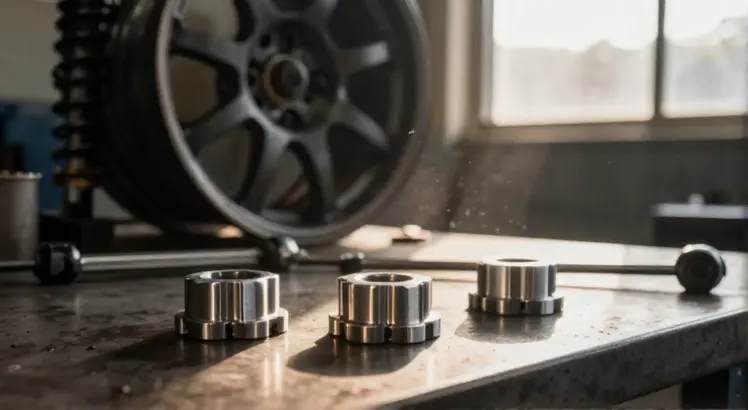
Check PriceWheel spacers are precisely machined discs that mount between the wheel hub and the wheel itself. Their only job is to push the wheel outward, increasing the vehicle’s track width. They can be as thin as 3 millimeters or as thick as 2 inches, depending on the application. Most quality spacers are crafted from billet aluminum or high-grade steel. They use your existing wheel studs or come with their own pressed-in studs to secure the wheel.
Think of them as an adapter, not just a ring. Some slide over your hub and rely on the existing lug nuts to hold everything. Others, the more advanced hub-centric variety, bolt to your hub first and then provide a new set of studs for the wheel. This difference matters more than most drivers realize.
Why People Use Wheel Spacers: The Undeniable Pros

KSP 2 inch 6×139.7mm Wheel Spacer
Check PriceThe appeal of spacers is immediate. They deliver cosmetic aggression, functional clearance, and occasional handling tweaks without the enormous cost of a new wheel set. These benefits drive a huge aftermarket demand.
- Aggressive Stance and Flush Fitment: Spacers bring the wheels out to sit flush with the fenders. That filled-out look is a core part of modern car culture.
- Brake and Suspension Clearance: A big brake kit or a specific coilover setup can rub the inside of your wheel. A small spacer creates the millimeter of breathing room needed to avoid metal-on-metal contact.
- Improved Cornering Stability: A wider track reduces body roll and shifts load transfer. In mild doses, you can feel sharper turn-in and more planted mid-corner behavior.
- Correcting Wheel Offset: If you bought wheels with the wrong offset, spacers are often the cheapest fix, letting you run the rubber you love without rubbing the strut.
- Custom Truck and Off-Road Stance: Lifted trucks use spacers to push large, knobby tires out past wide fender flares, giving the rig a more intimidating and stable footprint on rocky trails.
The Dark Side: Cons and Real Risks of Wheel Spacers

KSP 6X139.7 Silverado Hubcentric Spacer
Check PriceFor every clean-fendered car at a show, there is a forum thread about a snapped stud or a vibration that would not quit. These problems almost always come from incorrect installation, low-quality materials, or ignoring the limits of your factory hardware.
- Increased Load on Wheel Bearings: Pushing the wheel outward changes the lever arm acting on the hub assembly. The bearing sees more stress, which can shorten its lifespan. This is an inescapable physics trade-off.
- Suspension Geometry Changes: Scrub radius and steering axis inclination shift. This can cause tramlining, heavier steering effort, and a slight loss of self-centering. A car set up purely for looks may wander on the highway.
- Stud and Lug Failure Risk: Cheap spacers that simply slip over the stock studs leave you with less thread engagement. That is a recipe for a stripped stud or a wheel that walks off at speed. Even bolt-on spacers can fail if the aluminum is soft or the hardware is not properly torqued.
- Vibration and Poor Balance: A spacer that is not perfectly hub-centric, or one with a manufacturing tolerance error, introduces a wobble no amount of wheel weights can fix. The steering wheel shake at 55 mph is a classic symptom.
- Fender and Tire Interference: Moving the tire outward often means it now contacts the fender lip under compression. Without rolling or pulling the fenders, you can slice a sidewall on a hard bump.
Wheel Spacers and Safety: Separating Fact from Forum Panic
This is the core of the entire debate. Are spacers an automatic death trap, as some claim? Not when they are quality, hub-centric, and properly installed. Motorsport teams run spacers on track cars that endure extreme lateral loads. The difference is they use billet T6 aluminum spacers, ARP-grade studs, and religiously monitor torque values. The danger spikes when a daily driver slaps on generic, lug-centric spacers on stock studs and never checks them again.
For an in-depth look at brand-specific safety, you can read about whether Bora wheel spacers maintain safety standards under real-world conditions. The lesson there applies broadly: material certification and design precision are non-negotiable for a safe setup. Always avoid spacers that feel suspiciously light or have rough, unfinished stud holes.
Hub-Centric vs. Lug-Centric Spacers: The Difference You Cannot Ignore

dynofit 2in 6×5.5 Wheel Spacers
Check PriceIf you take away one technical point from this article, let it be the hub-centric principle. Your factory wheel centers on a lip protruding from the hub. That lip, the hub pilot, bears the weight of the car. The studs and lug nuts clamp the wheel to the hub, they are not designed to support vertical load alone.
A hub-centric spacer replicates that lip. It has a machined ring that fits snugly over your hub and another lip for the wheel to sit on. This eliminates any chance of the spacer being mounted off-center. Lug-centric spacers, by contrast, rely solely on the conical lug nuts to center the spacer and wheel. This is far less reliable and a frequent source of high-speed vibration.
When building a safe setup, selecting high-quality hub-centric options is the single most important decision you will make. A well-made hub-centric spacer distributes forces evenly and keeps your wheel rotating on the same axis as the hub bearing, minimizing stress.
How to Choose a Spacer That Will Not Fail

KSP 5×5 Wheel Spacers for Jeep Grand Cherokee & Wrangler
Check PriceIf you have weighed the pros and cons and still want the wider stance, these rules will keep you safe. Buy from reputable manufacturers, not the cheapest eBay listing. Look for 6061-T6 aluminum or 1045 steel. Confirm the spacer is application-specific, not universal, so the hub bore matches your vehicle exactly.
Always measure your available thread engagement. A common safe rule: you need at least 6 to 8 full turns of the lug nut after the wheel contacts the spacer. If a slip-on spacer leaves you with less, you must install longer wheel studs. For bolt-on spacers, use a calibrated torque wrench and apply a medium-strength thread locker. Re-torque everything after the first 50 miles of driving.
Are Wheel Spacers Legal?
Legality varies by region and even by local law enforcement attitude. In some areas, any spacer that pushes the tire tread beyond the fender lip is an automatic defect. Other places only care if the wheel and tire assembly is securely mounted. Your insurance company is another variable. If a spacer-related failure causes an accident, a non-approved modification can become a huge liability. Always check your local vehicle equipment regulations and, when in doubt, have a certified shop install the spacers and document the work.
So, Wheel Spacers: Good or Bad? The Final Verdict
Wheel spacers are good when they are a carefully engineered solution to a specific problem. They are bad when treated as a generic cosmetic part with zero attention to mechanical integrity. An enthusiast who installs bolt-on hub-centric spacers from a brand like Bora or Spidertrax, ensures full thread engagement, and periodically checks torque will likely enjoy years of trouble-free driving. Someone who throws a universal 1-inch slip-on spacer behind a heavy truck wheel with factory studs is gambling catastrophically.
As automotive experts like Car and Driver have noted in their analysis, the spacer itself is rarely the root cause of failure. Improper application and low-grade hardware are the real culprits. If you want the flush look, do it the right way. Respect the engineering, choose hub-centric designs, and never compromise on installation quality.
Frequently Asked Questions
Can wheel spacers cause vibrations?
Yes, especially lug-centric or poorly machined spacers. Even a tiny misalignment offsets the rotating assembly, causing a shake at highway speeds. Hub-centric spacers eliminate this risk because they mechanically center the wheel.
Do spacers wear out wheel bearings faster?
They increase the leverage on the bearing, which can accelerate wear over time. The effect is more pronounced with very thick spacers or aggressive off-road use. Many owners with moderate spacers report no noticeable reduction in bearing life if the vehicle is maintained well.
What is the maximum safe spacer thickness?
There is no universal number. It depends on the vehicle, stud length, and whether the spacer bolts to the hub. As a guideline, 20mm to 25mm bolt-on spacers are common and safe on many cars when made by a quality brand. Thin slip-on spacers should never exceed 5mm without longer studs.
Do I need an alignment after installing spacers?
Spacers do not change your alignment angles directly, but they alter the track width and leverage, which can amplify existing alignment issues. Getting an alignment check after installation is a smart preventive measure.
Can I use spacers on the front and rear?
Absolutely. Many staggered looks use a thicker spacer on the rear to fill the arches. Just ensure both axles use the same quality and type, and that the front suspension geometry does not cause excessive scrub radius issues.
Conclusion
The question of wheel spacers good or bad leads to a conditional answer: they are as safe as the weakest part of your setup. Cheap metal, neglected torque checks, and a refusal to address thread engagement turn a simple part into a dangerous liability. On the other hand, a set of properly selected, hub-centric bolt-on spacers can deliver that showroom stance, solve clearance headaches, and do it without sacrificing reliability. Your move is to treat this upgrade like a critical chassis component, not a bolt-on toy. Measure twice, buy quality, install with a torque wrench, and you will belong to the camp that swears by them, not the one that swears at them.