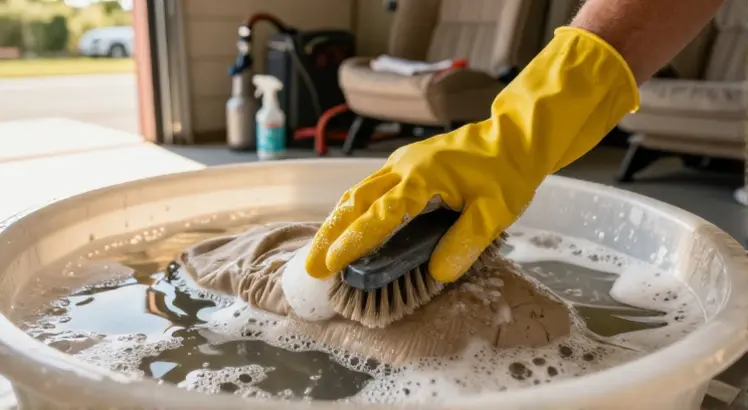
If you want to keep your car interior looking fresh and spotless, learning how to wash car seat covers is a simple skill that makes a big difference. Over time, seat covers collect dust, sweat, coffee spills, and pet hair, and ignoring the grime shortens their life. A proper washing routine not only refreshes the cabin but also protects your original upholstery underneath. You do not need expensive detailing products, just the right approach for the fabric type and a little patience.
Many drivers worry about ruining the covers in a washing machine or making colors bleed, but when you follow tested steps, the risk is minimal. This guide walks you through every stage, from reading care labels to drying without shrinkage. You will also discover how to tackle stubborn stains, when to hand wash instead of machine wash, and how to handle covers that cannot be removed. By the end, you will have a clear, actionable plan to keep your seat covers looking almost new.
Why Washing Car Seat Covers Regularly Matters

CAR PASS Waterproof Car Seat Covers Front Seats
Check PriceClean seat covers are more than a cosmetic win. Built-up dirt acts like sandpaper, slowly wearing down fibers and causing premature thinning. With regular washing, you remove abrasive particles, reducing the risk of tears. This habit also nips odors in the bud. Spills from coffee, sports drinks, or kid snacks soak deep into the fabric, and if left untreated, they create a sour smell that is hard to reverse.
Moreover, clean covers help you maintain a healthier cabin environment. Dust mites, pollen, and mold spores thrive in unwashed textiles. When you clean the covers every few months, you lower allergen levels, making rides more comfortable for everyone. If you use removable covers over leather or cloth seats, you are also preserving the factory upholstery, which boosts your car’s resale value. A small time investment now saves you costly detailing bills later.
Before You Start: Check the Care Label

Leader Accessories Black Waterproof Sweat Towel Seat Cover
Check PriceThe single most important step in how to wash car seat covers without mishaps is reading the care tag. Most quality covers come with a small label stitched inside a seam. Look for universal laundry symbols that indicate whether machine washing is safe, the recommended water temperature, and if bleach is allowed. A crossed-out tub means do not machine wash, a clear signal to hand wash only.
If the label is missing, do a quick fabric check. Neoprene covers, often used in off-road vehicles, do well with a gentle cycle and air drying. Cotton and polyester blends are generally machine-washable. Leather, leatherette, and vinyl covers should never go into a washer, instead, they need a spray-on cleaner and a microfiber wipe-down. When in doubt, default to hand washing in cold water, it is the gentlest method and works for nearly all fabric types.
Removing the Seat Covers Safely

Meginc Dog Car Seat Covers for Back Seat
Check PriceRushing the removal can lead to broken clips or torn seams. Park in a well-lit area, slide the seat all the way back, and take a photo of how straps, hooks, and Velcro attachments are arranged. This will save you frustration when you put everything back together. Then, unhook the headrest covers first, followed by the backrest and bottom cushion sections.
Pay attention to plastic anchors tucked under the seat, they often snap into place around metal bars. Use a flathead screwdriver carefully if you need to pry a tight clip, but apply gentle pressure to avoid cracking the plastic. Once all covers are off, give the bare seats a quick vacuum. It is the perfect time to remove hidden crumbs and pet hair before they get trapped again. If your covers have built-in airbag compatibility, check that the seam designed to tear in a collision is not twisted or damaged during removal.
Pre-Treating Stains and Heavy Soil

CAR PASS Faux Leather Car Seat Covers Front Seats
Check PriceBefore any wash, tackle spots to prevent them from setting deeper. For protein-based stains like coffee, chocolate, or baby food, a small amount of enzyme-based laundry spray works wonders. Spray the stain, gently rub the fabric together, and let it sit for 15 minutes. For greasy stains, like fast-food oil or lotion, sprinkle baking soda over the spot, let it absorb the grease for half an hour, then brush it off before washing.
If you deal with ink or dye transfer, blot with rubbing alcohol on a cotton pad, never rub aggressively. Always test any spot cleaner on a hidden area first to be sure the color does not lift. For covers that have a lingering smoke or sweat odor, a presoak in cool water mixed with half a cup of white vinegar for 30 minutes works better than adding extra detergent. This gentle acidic pre-bath breaks down odor molecules without weakening the fibers.
Washing Methods: Machine Wash vs. Hand Wash
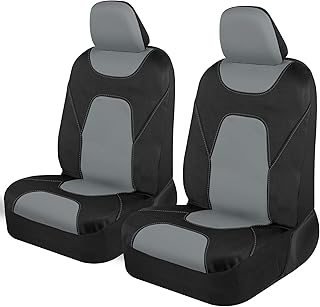
Motor Trend AquaShield Waterproof Front Seat Covers
Check PriceChoosing between the machine and your hands depends on the fabric, the label, and how soiled the covers are. Both methods can deliver deep clean results if you follow the correct steps. The table below gives you a quick comparison, then we dive into detailed instructions.
Machine Washing Step-by-Step
Machine washing is safe for most canvas, polyester, and neoprene covers. It is also a huge time-saver when you have multiple seats to wash. To avoid damage, treat your seat covers like delicate clothing, not heavy towels.
- Close all zippers, snap buttons, and attach any Velcro strips to themselves. Loose hooks can snag the fabric and tear it during the spin cycle.
- Turn the covers inside out. This protects the outer color layer and allows detergent and water to directly hit the soiled inner face.
- Place the covers in a large mesh laundry bag. The bag prevents straps and buckles from banging against the drum and reduces friction that causes pilling.
- Select a gentle or delicate cycle with cold water. Hot water can shrink elastic edges and fade bright colors.
- Use a mild, liquid detergent. Do not use bleach or fabric softener. Softener leaves a waxy coat that traps odors and reduces breathability.
- Set an extra rinse cycle if your machine offers it. Any leftover soap residue can irritate skin and attract dirt faster after reinstalling.
Hand Washing Step-by-Step
Hand washing is the safest route for delicate fabrics like velour, suede-like microfiber, or covers with sewn-in heating elements. It gives you complete control over agitation and water temperature. While it takes more elbow grease, the results are just as impressive.
- Fill a large bathtub or utility sink with cool water. Add one teaspoon of mild detergent per gallon. Swish to dissolve completely.
- Submerge the seat cover and press it down gently. Let it soak for 15 to 20 minutes to loosen dirt without aggressive rubbing.
- After soaking, use your hands to massage the fabric, paying extra attention to armrest areas and headrest seams that absorb hair oil and sweat.
- Drain the soapy water and refill with clean, cool water. Rinse by pressing the cover repeatedly until the water runs clear and no suds appear.
- Do not wring or twist the fabric. Twisting warps the weave and causes permanent wrinkles. Instead, press the cover flat against the tub wall to squeeze out excess water.
Cleaning Seat Covers That Cannot Be Removed

DryvaSeat Premium Microfiber Towel Car Seat Cover
Check PriceSome custom or OEM-fitted covers are not designed to come off easily. In those cases, your approach shifts to in-place cleaning. Start by vacuuming the seats thoroughly with a crevice tool. Then, mix a few drops of mild laundry detergent or a dedicated upholstery cleaner with warm water in a spray bottle.
Lightly mist the surface, never soak it. Too much moisture can seep into the seat foam and lead to mildew. Use a soft-bristle brush to work the solution into fabric grooves, then blot away the dirty foam with a clean, dry microfiber towel. Repeat until the towel comes back clean, and leave the windows down to speed up drying. Experts at Good Housekeeping’s car cleaning guide suggest using a portable extractor if stains are deep, but for regular maintenance, the spray-and-blot method keeps non-removable covers fresh.
If you are considering upgrading to covers that are easier to clean, take a look at our roundup of versatile washable seat covers that combine style with machine-washable convenience. For truck owners who deal with mud and moisture daily, heavy-duty waterproof seat covers can be a game changer because they repel liquids and rinse off with minimal effort.
Drying Seat Covers Without Shrinkage or Damage
Drying is where many people undo their careful cleaning work. The dryer’s heat can destroy elastic bands, melt rubber backing, and shrink covers so much they no longer fit. The golden rule is air dry only, unless the care label explicitly says tumble dry on low.
After washing, lay the covers flat on a clean drying rack or hang them over a shower rod. If you hang them, fold over the rod instead of using clothespins that can leave pinch marks. Position them in a well-ventilated area but away from direct sunlight, UV rays can fade bright colors within hours. For neoprene covers, flip them inside out once the inner side feels dry to let the outer face finish drying.
Wait until covers are completely dry before reinstalling. Even a hint of dampness can trap moisture against the seat, leading to a musty smell. This usually takes 12 to 24 hours, depending on humidity. If you must speed things up, a box fan blowing room-temperature air over the covers cuts drying time safely without heat.
Reinstalling Covers the Right Way
Reinstallation is your chance to get a snug, wrinkle-free fit. Begin by sliding the backrest cover into place, aligning the headrest holes, and fastening the top straps first. Then pull the bottom cushion cover taut and secure the anchors under the seat. Use the photo you took earlier to double-check every hook and strap.
Work out any visible folds by running your hand flat over the surface. If a cover feels slightly tight after washing, it may relax once it adjusts to the seat’s shape in warm weather. You can also wear the car’s heater on a mild setting for 10 minutes to help the fabric settle smoothly. Always verify that side airbag seams are unobstructed, safety must come before perfect looks.
Additional Tips to Keep Seat Covers Fresh Longer
Between washes, a few quick habits extend cleanliness significantly. Keep a lint roller or handheld vacuum in the car and go over the seats once a week. This catches crumbs and pet hair before they embed. If you frequently transport kids or pets, place a thin hobby mat under child seats to catch spills and prevent deep dents.
Rotate the use of specialized protectants sparingly. Fabric protector sprays can add a stain-resistant layer, but apply them only to completely clean, dry covers and test on an inconspicuous spot. Over-application can stiffen the fabric and trap dirt in the coating itself. Lastly, park in the shade or use a windshield sunshade, UV exposure breaks down fibers and makes covers look faded and tired prematurely.
Frequently Asked Questions About Washing Car Seat Covers
Can I wash seat covers that have foam padding sewn inside?
Yes, but you must be extra careful with drying. Foam-backed covers can hold water deep inside. Wash them on a gentle cycle and air dry for at least 48 hours, placing them in front of a fan helps. Never put foam-padded covers in a dryer or wring them out, the foam can break apart and turn lumpy.
How often should I wash my car seat covers?
For daily drivers, washing every two to three months keeps them fresh without excessive wear. If you have kids, pets, or often eat in the car, a monthly wash is better. Heavy off-road use or exposure to mud may require cleaning after every trip. Let your eyes and nose be the guide, if the covers look dull or smell musty, it is time.
Will washing remove the waterproof coating on my covers?
It can degrade the coating over time if you use harsh detergents or hot water. To preserve water repellency, always use a mild liquid soap designed for technical fabrics or a cleaner recommended by the cover manufacturer. After washing, you can restore the coating with a spray-on waterproofing treatment made for gear, applied once the covers are completely dry.
What if I see white residue after drying?
White streaks are usually detergent residue. This happens when too much soap is used or the rinse cycle is too short. To fix it, rewash the covers without any detergent, using only plain water on the same gentle cycle. In the future, use half the recommended amount of detergent and always select an extra rinse.
Conclusion
Mastering how to wash car seat covers gives you control over your vehicle’s comfort and appearance without expensive detailing bills. Start by checking the care label, remove the covers without forcing clips, and pre-treat stains to get ahead of discoloration. Choose machine washing for sturdy fabrics and hand washing for delicate materials, always sticking to cold water and mild, softener-free detergent.
Air drying is non-negotiable unless the label specifically permits low heat, patience here prevents shrinkage. Reinstall covers only when bone dry, and keep up with weekly quick cleanings to stretch the time between deep washes. Whether you protect your seats with affordable washable covers or rugged waterproof options, the routine you have learned today will make your cabin feel newer, mile after mile.